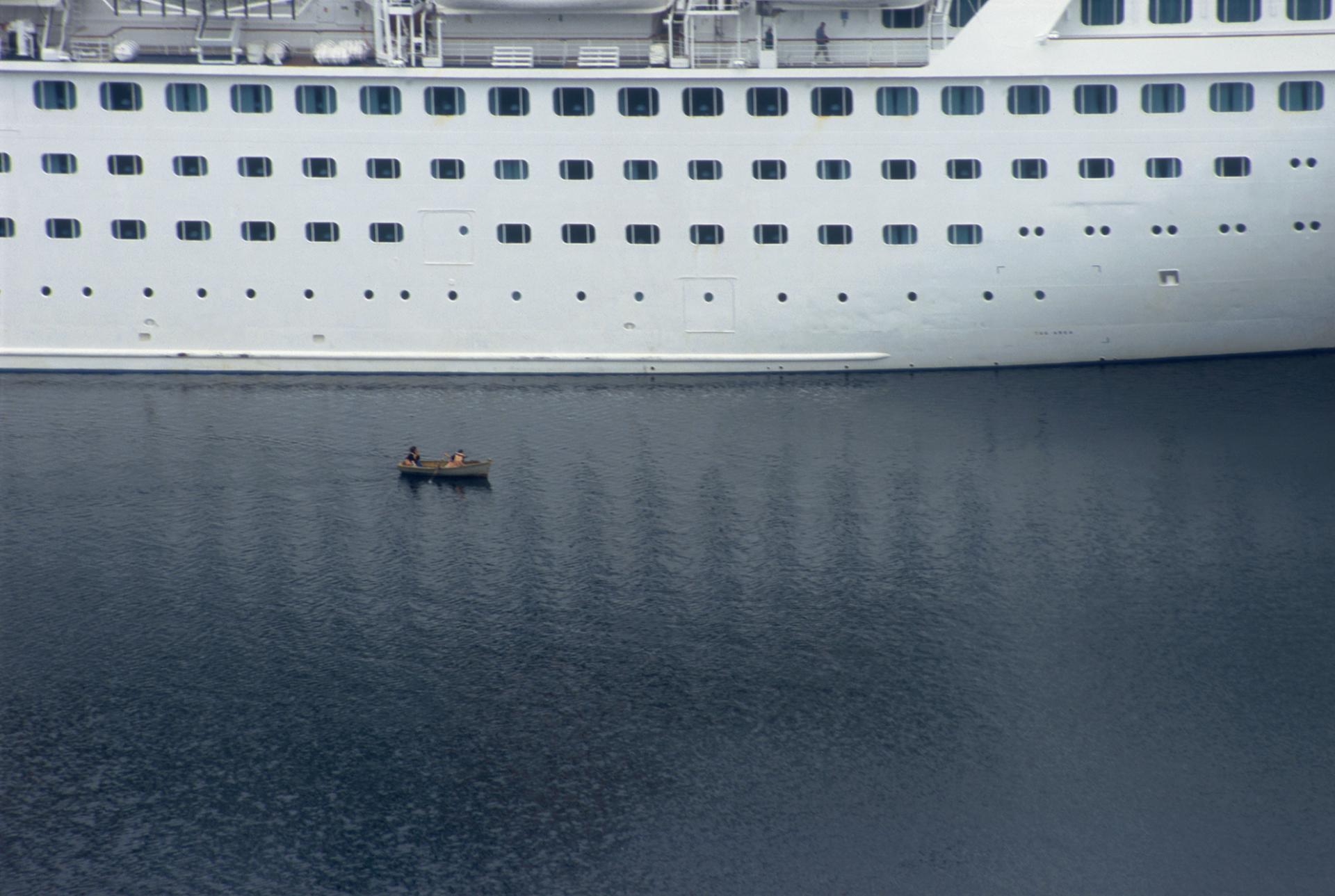
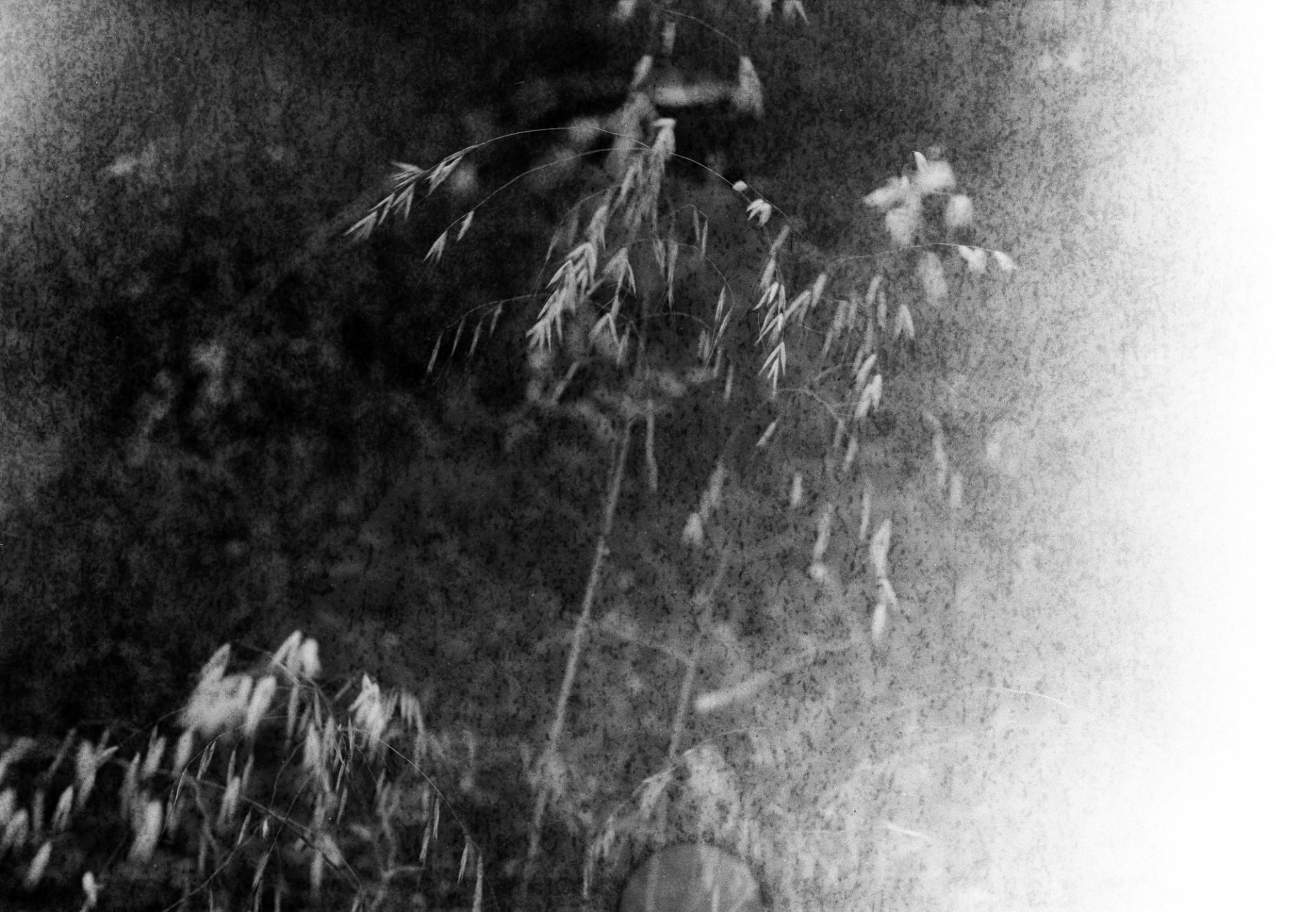
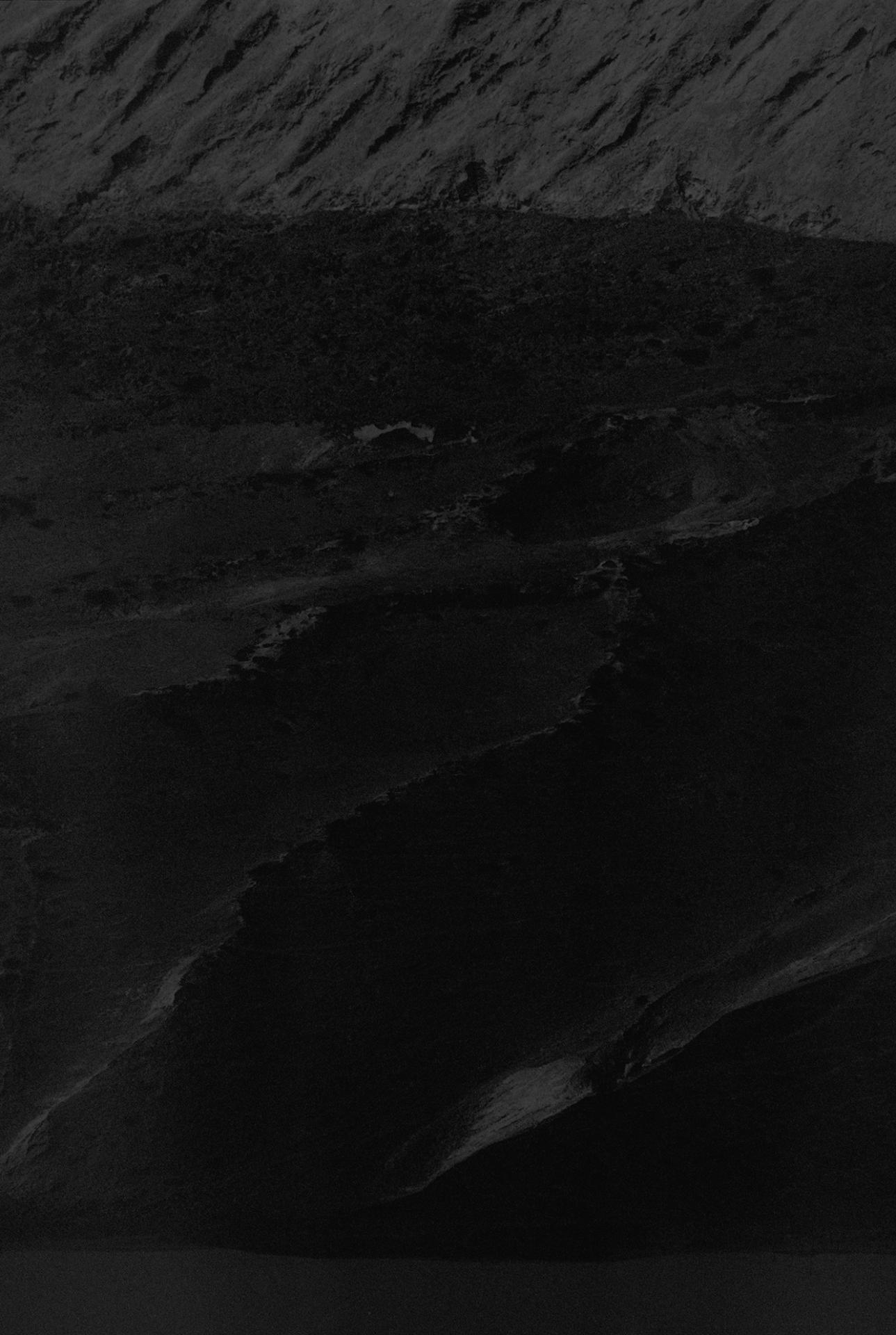
-
Seasaw
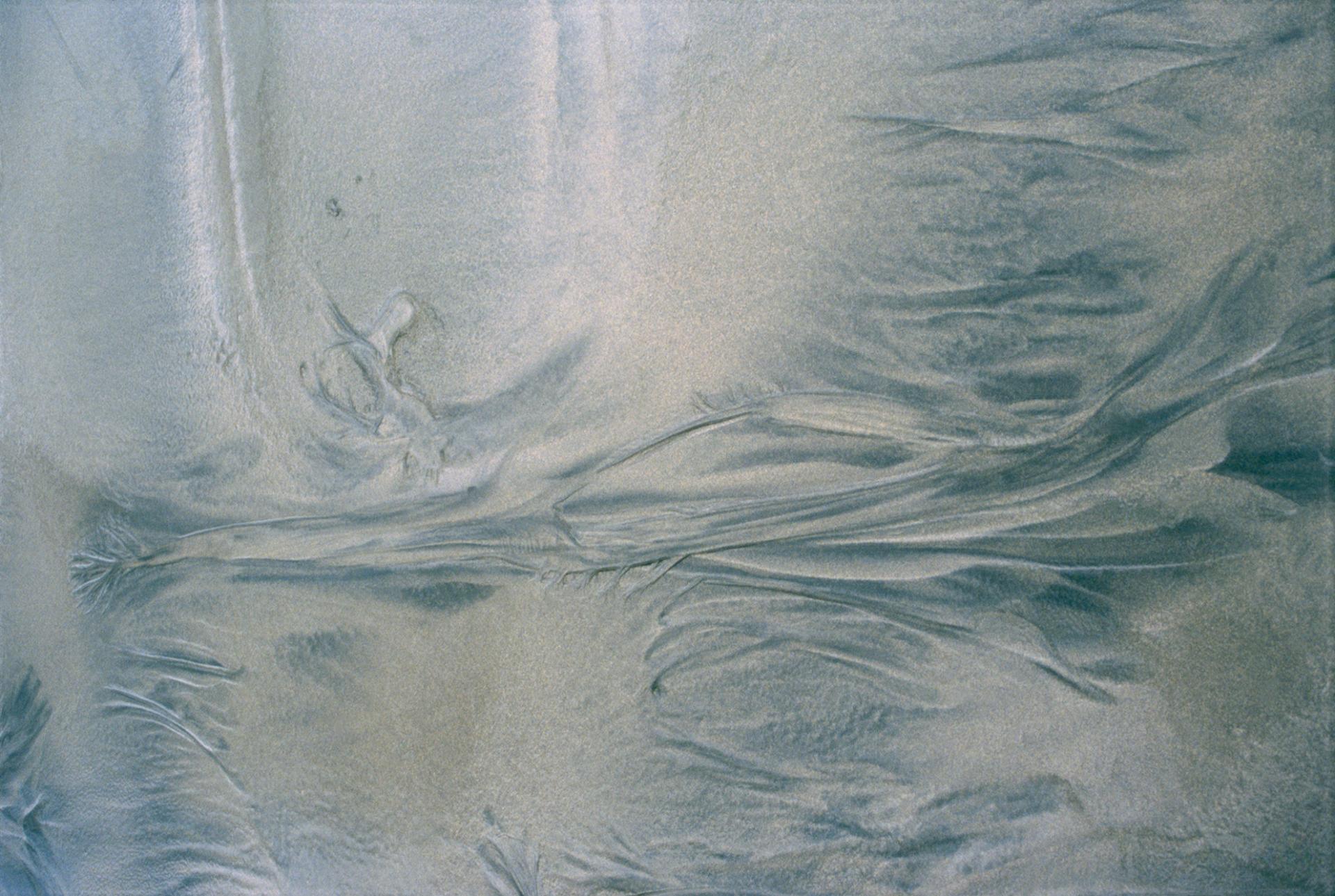
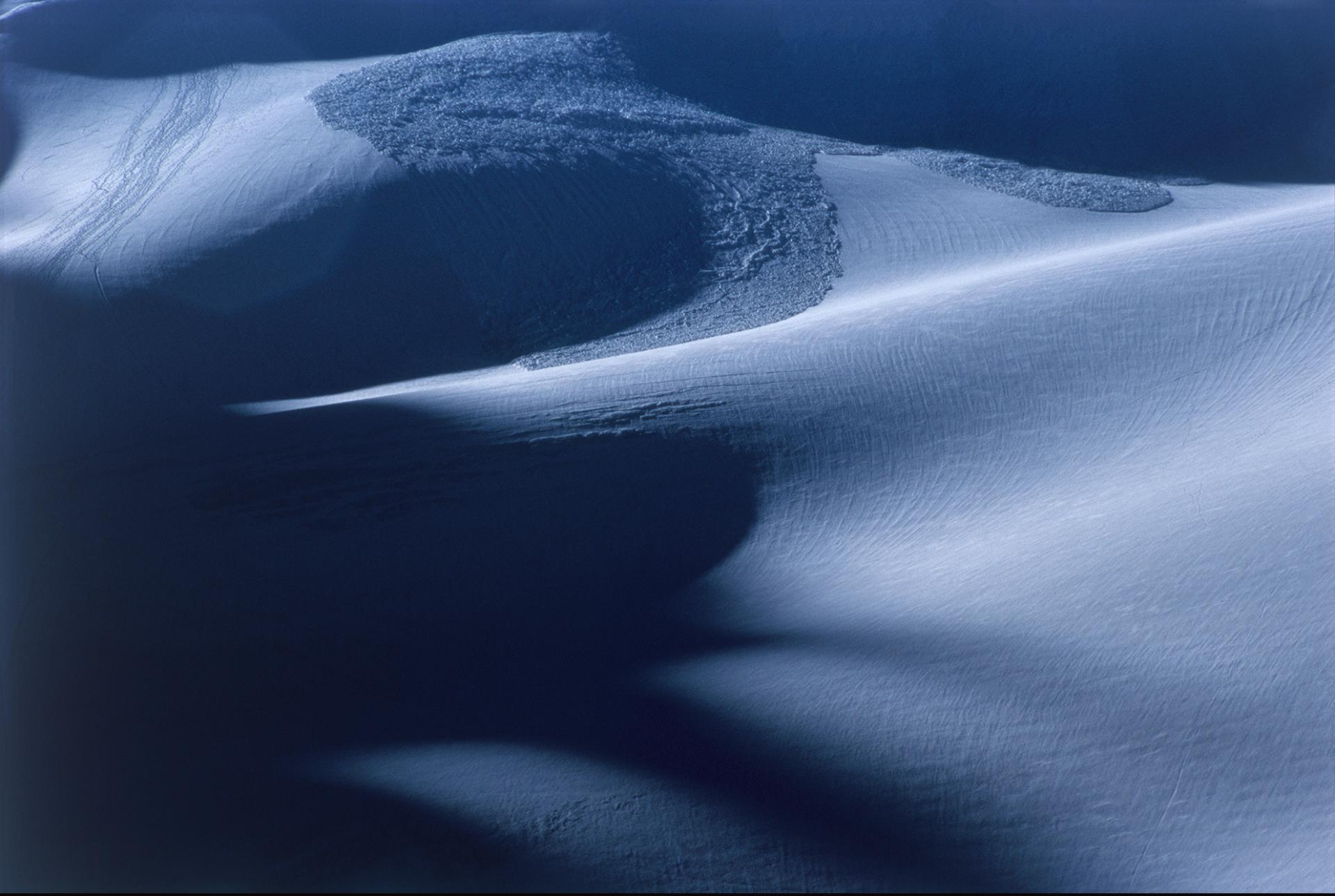
Wind and sand
- Slides: Fuji Sensia 100
- Print size: 79x52.5 cm
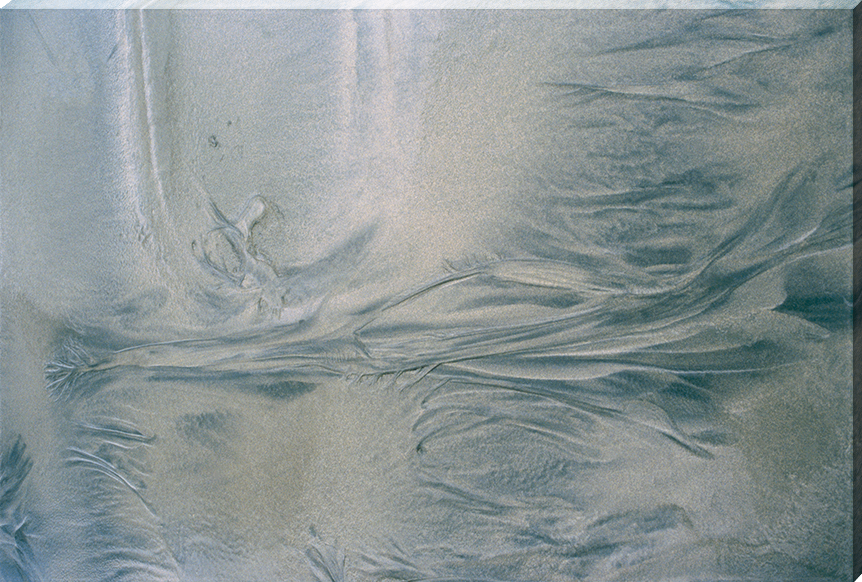
-
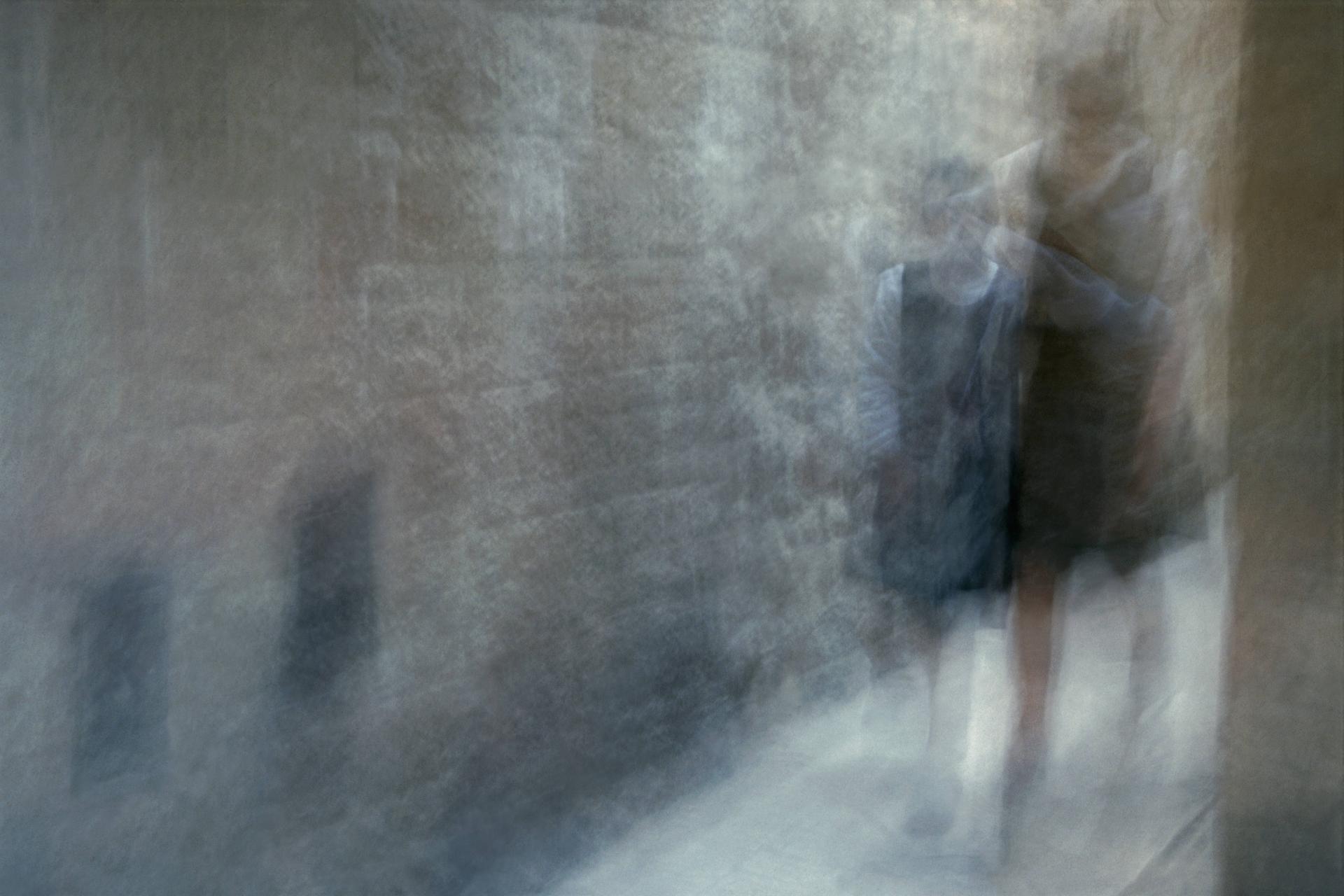
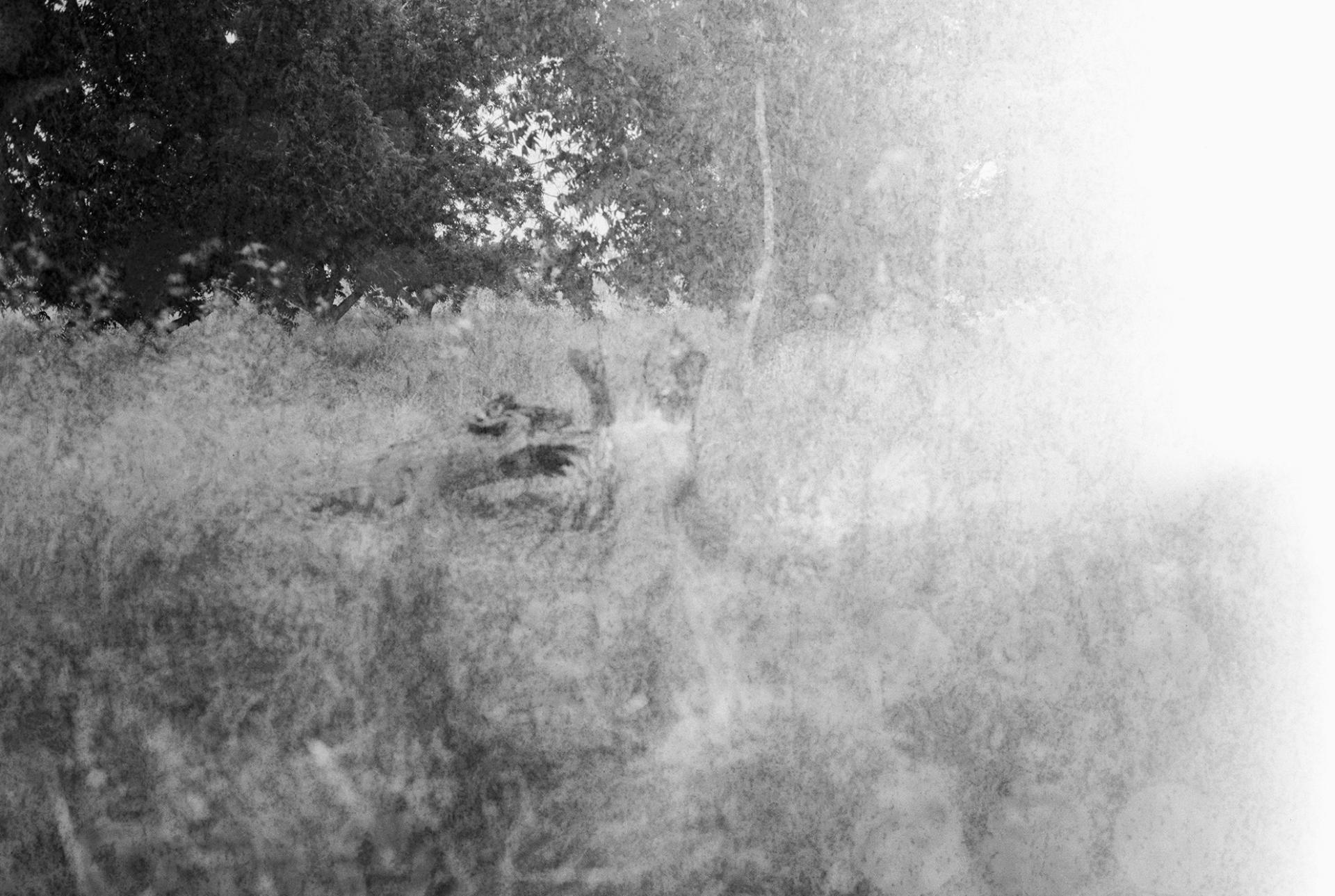
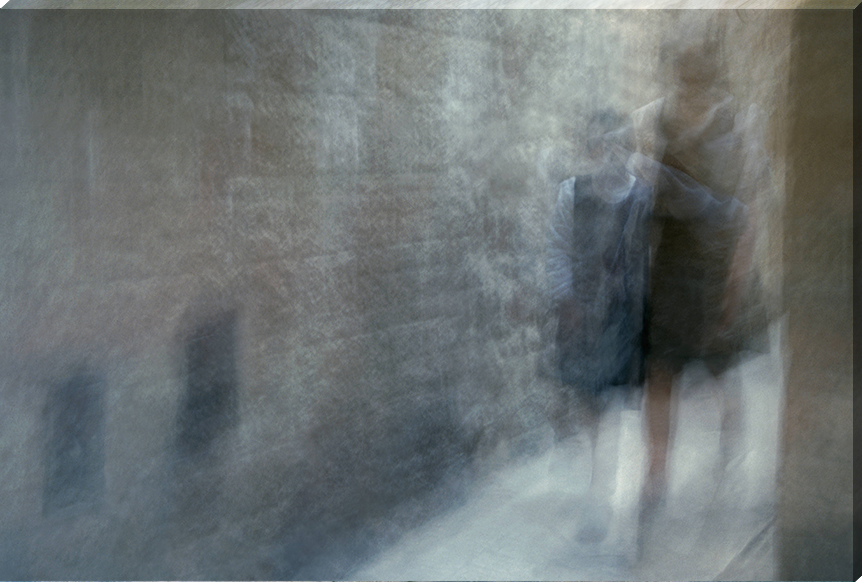
Ghosts
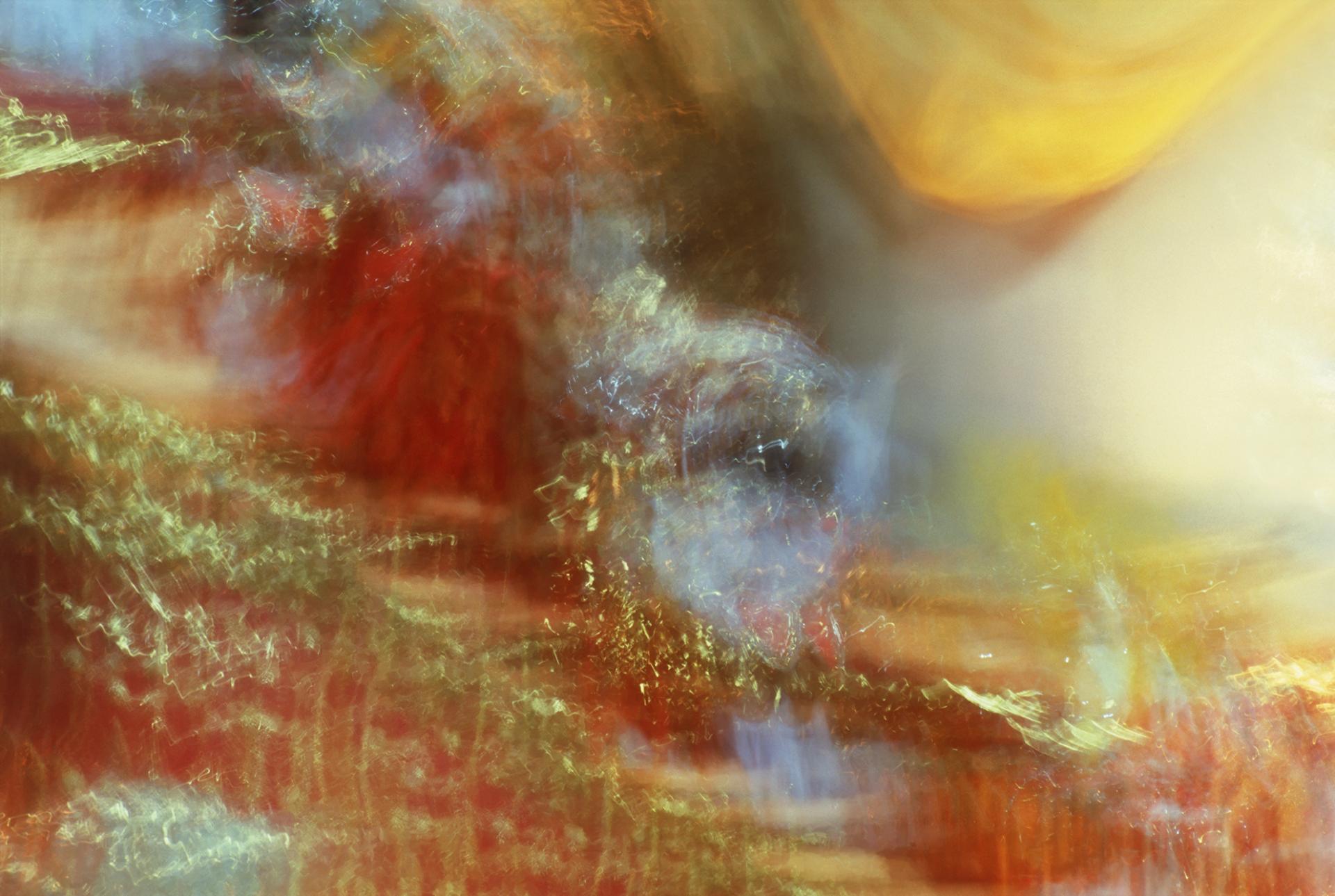
Jerusalem
- Shutter speed: 1/8-1/10 sec
- Slides: Fuji Sensia 100
- Print size: 75x50 cm
-
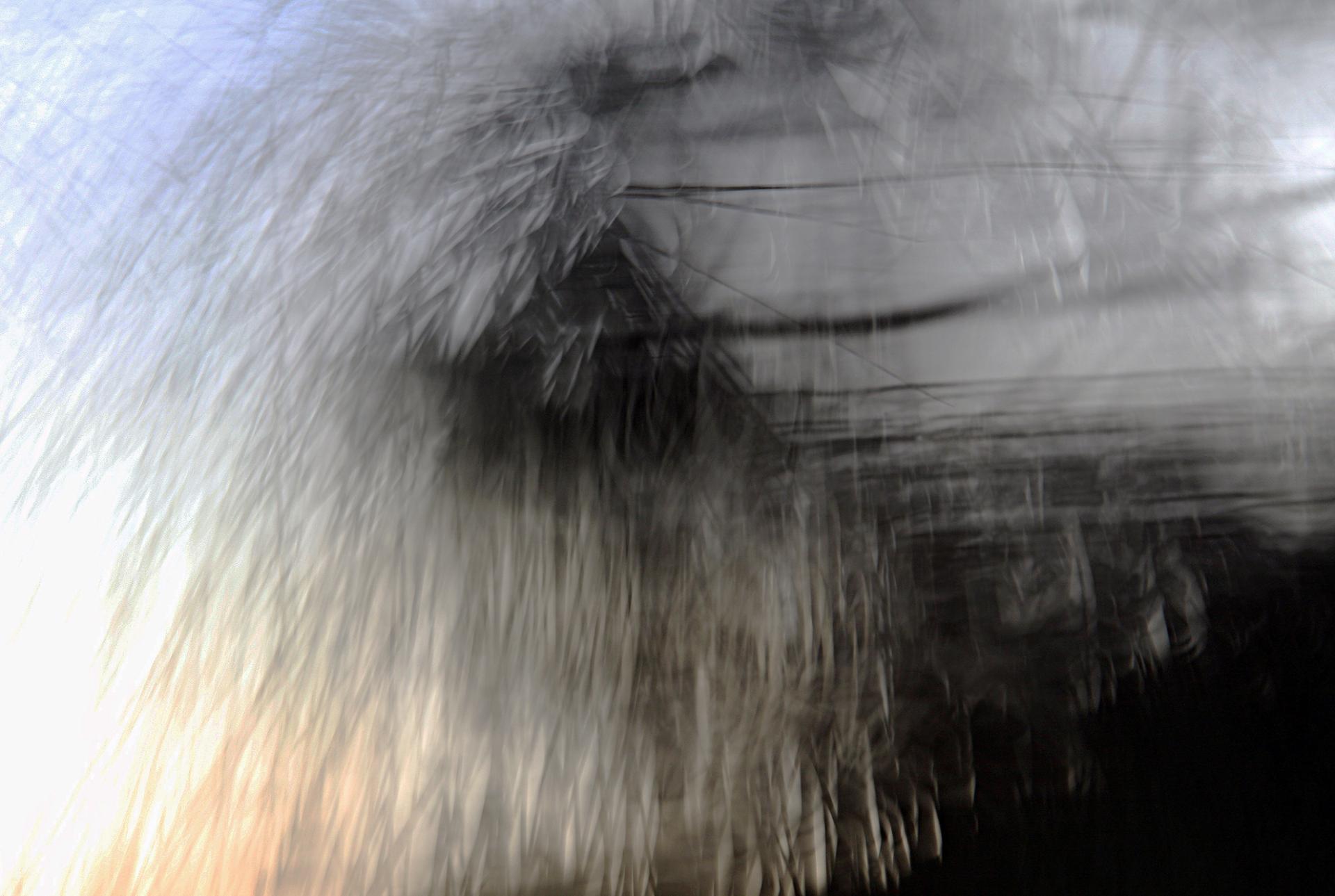
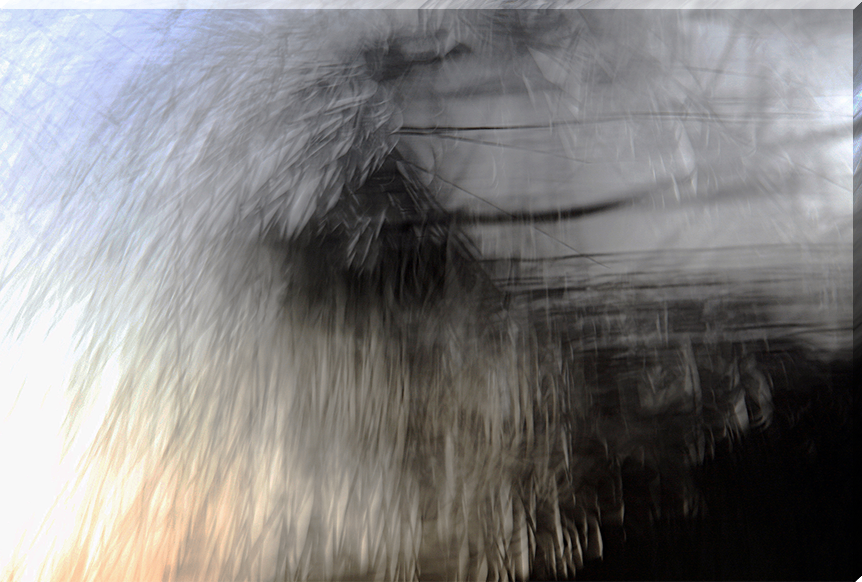
Suspiro
Shefer
Wind hammering the branches of a pine tree
- Print size: 77.5x59 cm
-
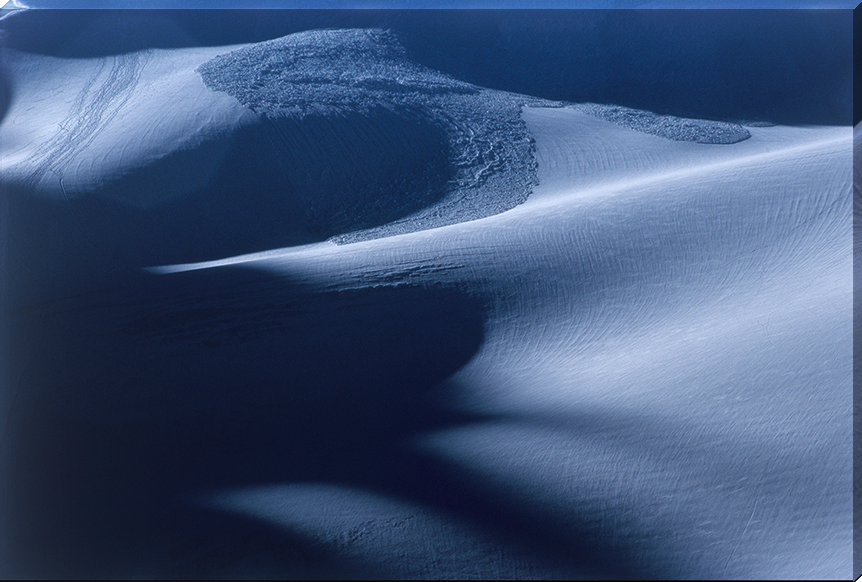
Pulse
Low peaks
- Slides: Fuji Provia 100
- Print size: 83x55 cm
-
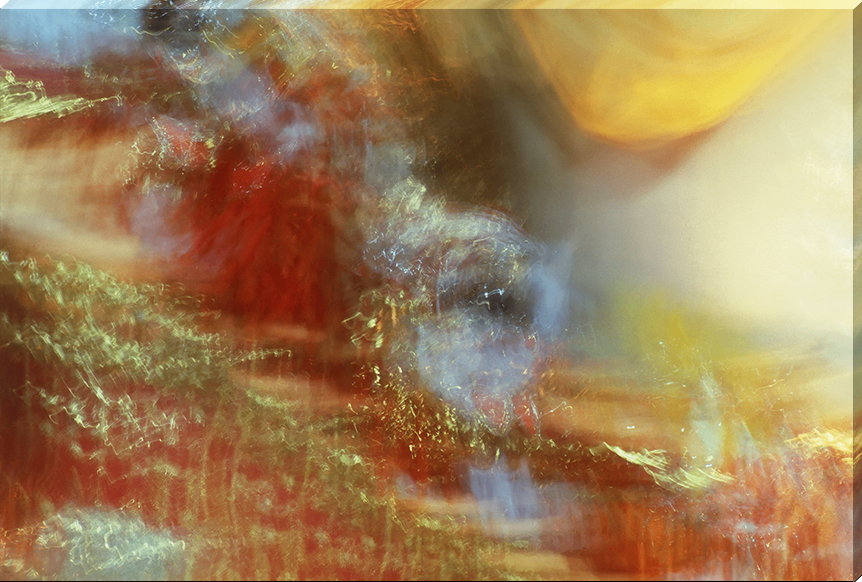
Translation yellow
- Shutter speed: 0.2’’-0.4’’
- Slides: Fuji Provia 100
- Print size: 92x61 cm
-
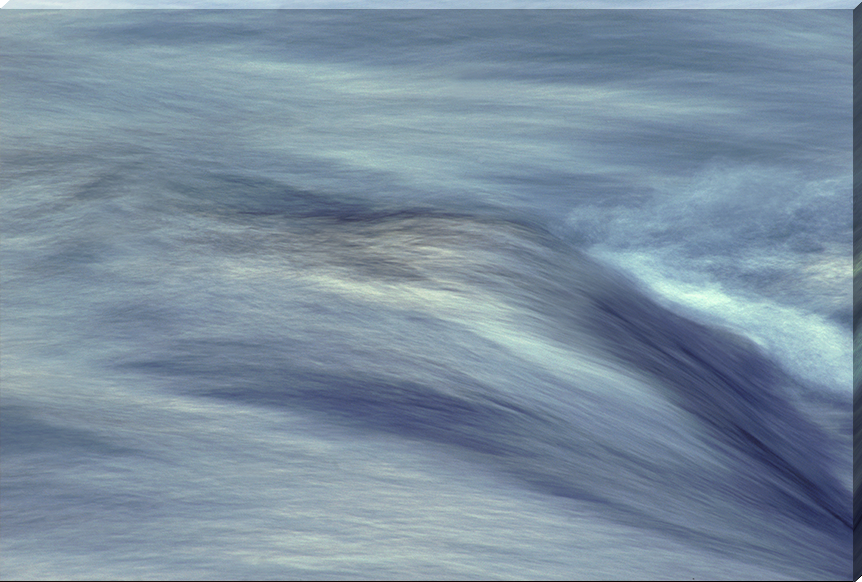
Present tense
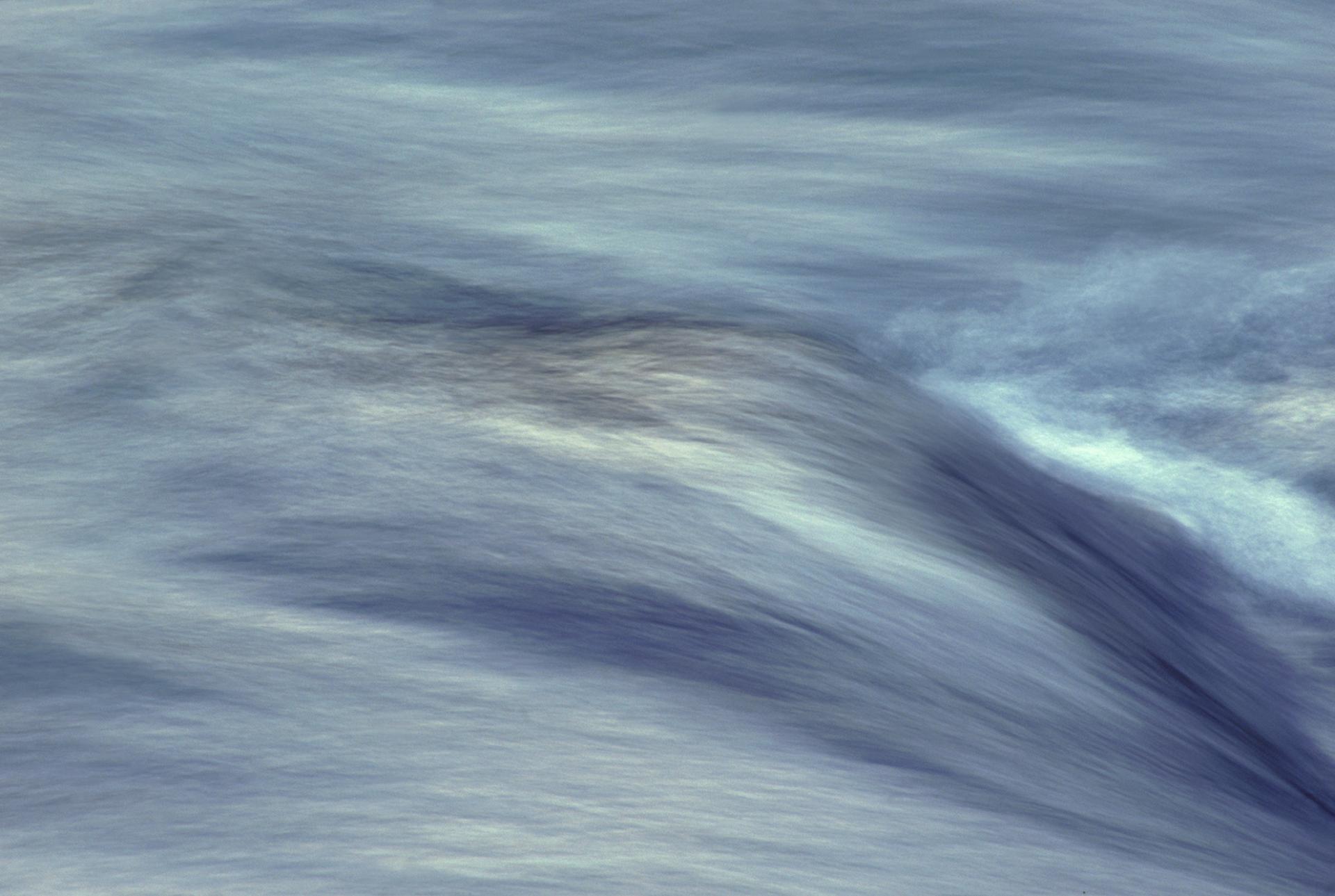
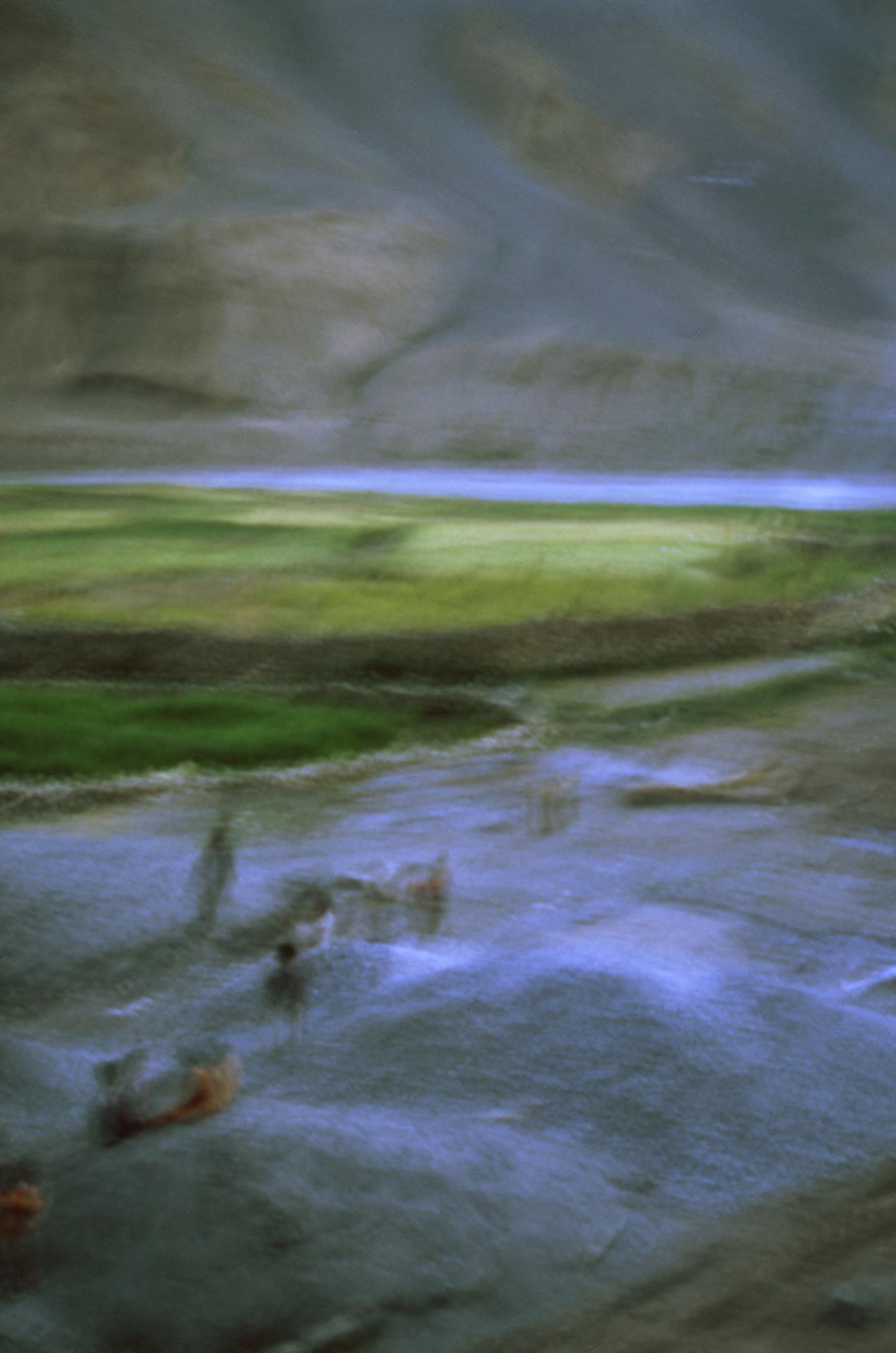
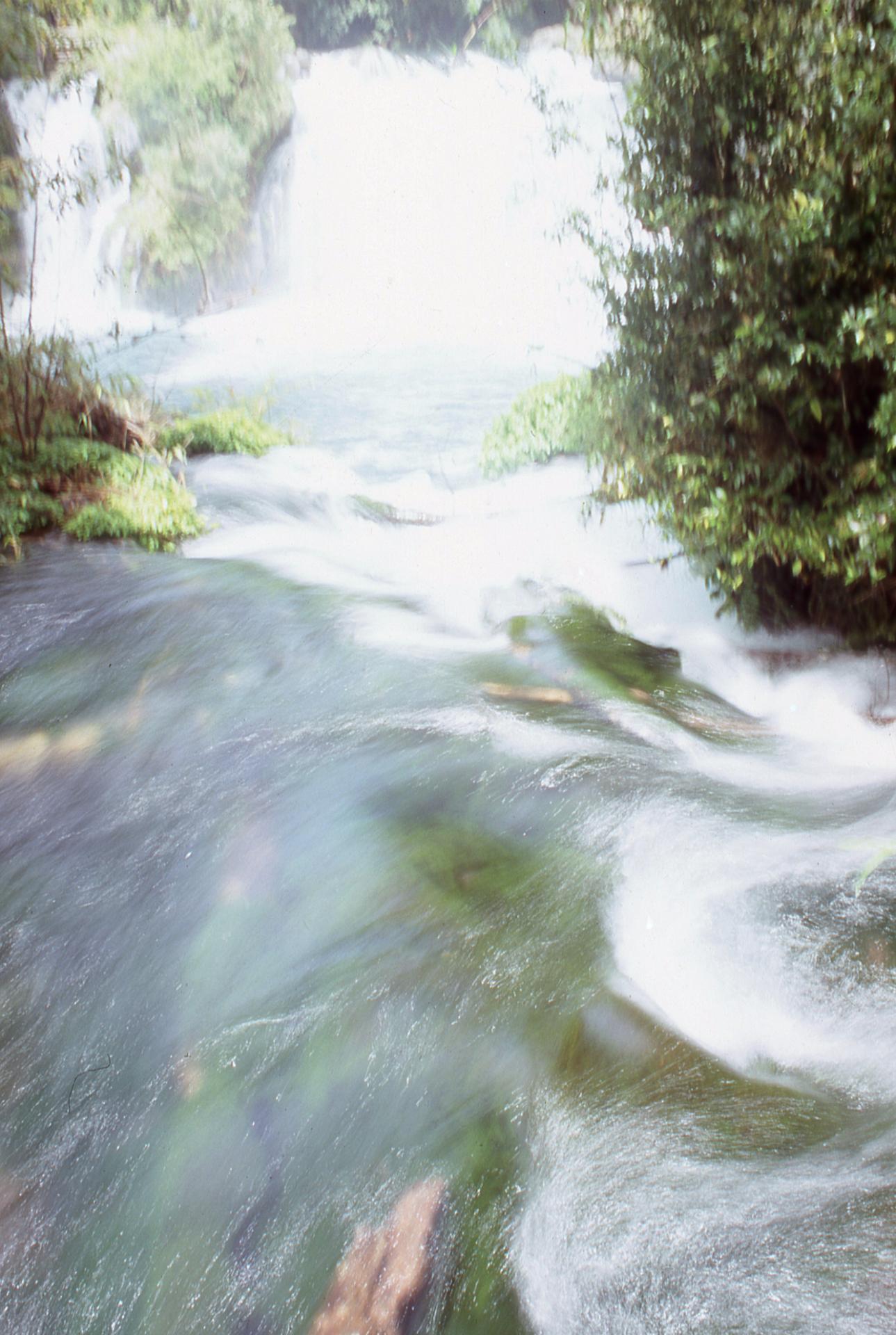
Rivulet
- Shutter speed: 1/10-1/8
- Slides: Fuji Sensia 100
- Print size: 79x53 cm
-
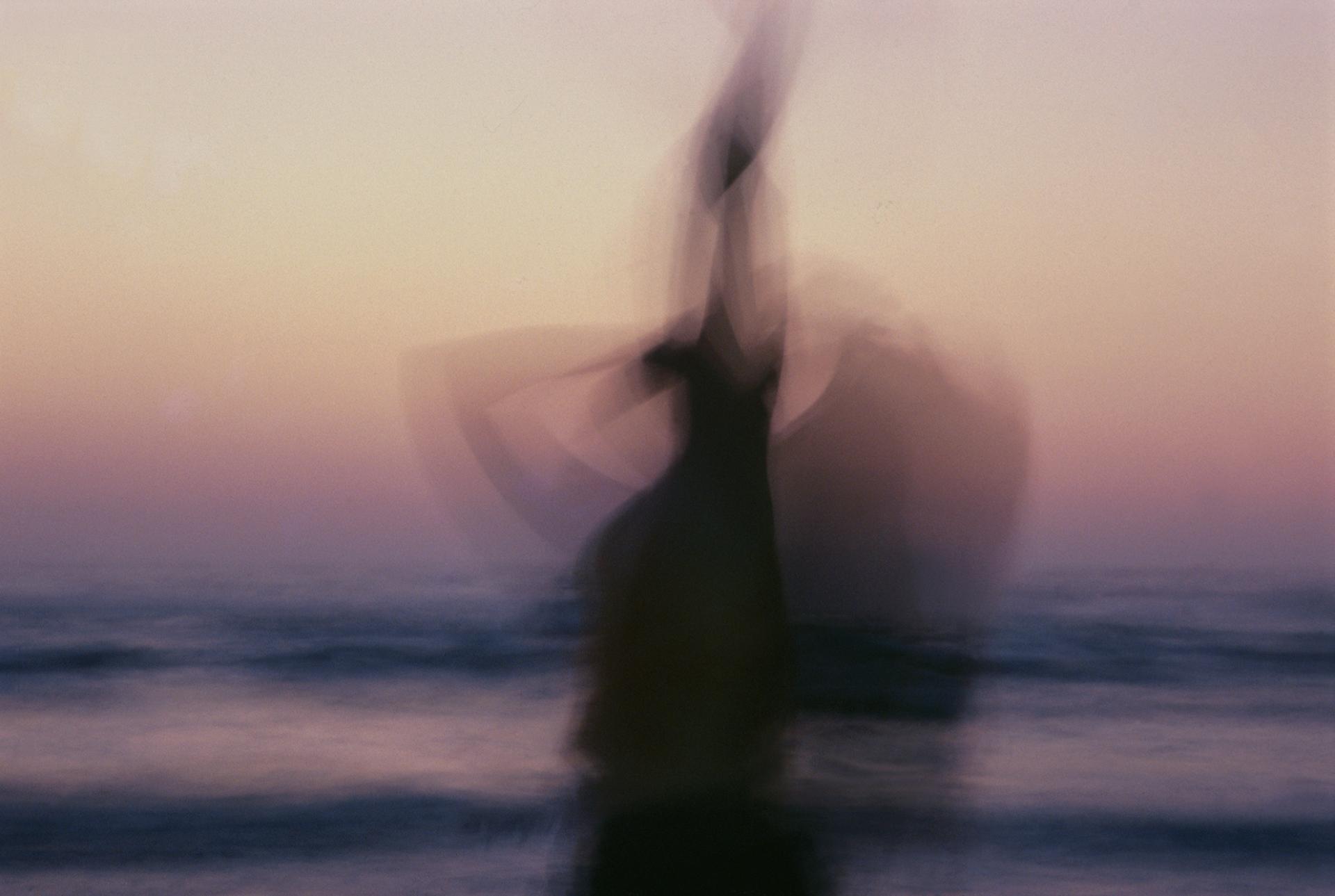
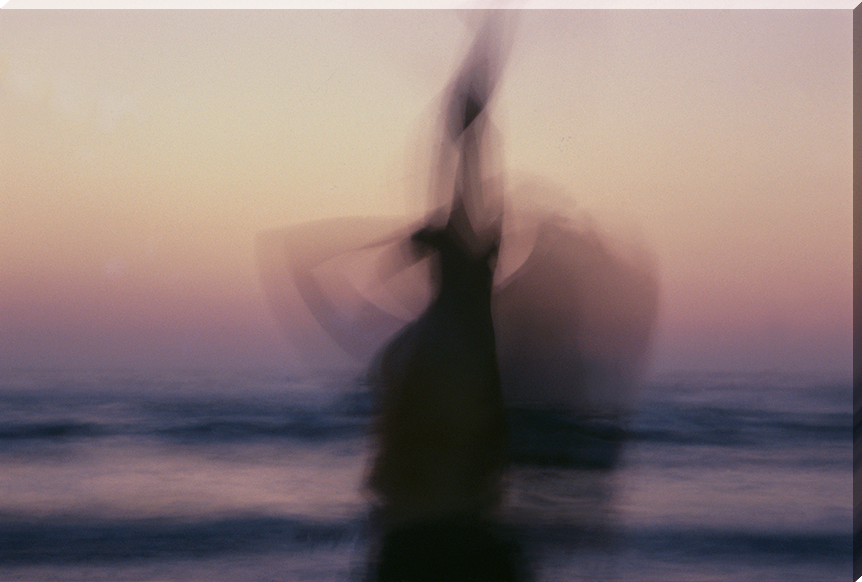
Dawn
Herzliya
- Shutter speed: 0.2’’-0.3’’
- Slides: Fuji Provia 100
- Print size: 77x51.5 cm
-
Motion Pictures

Motion Pictures
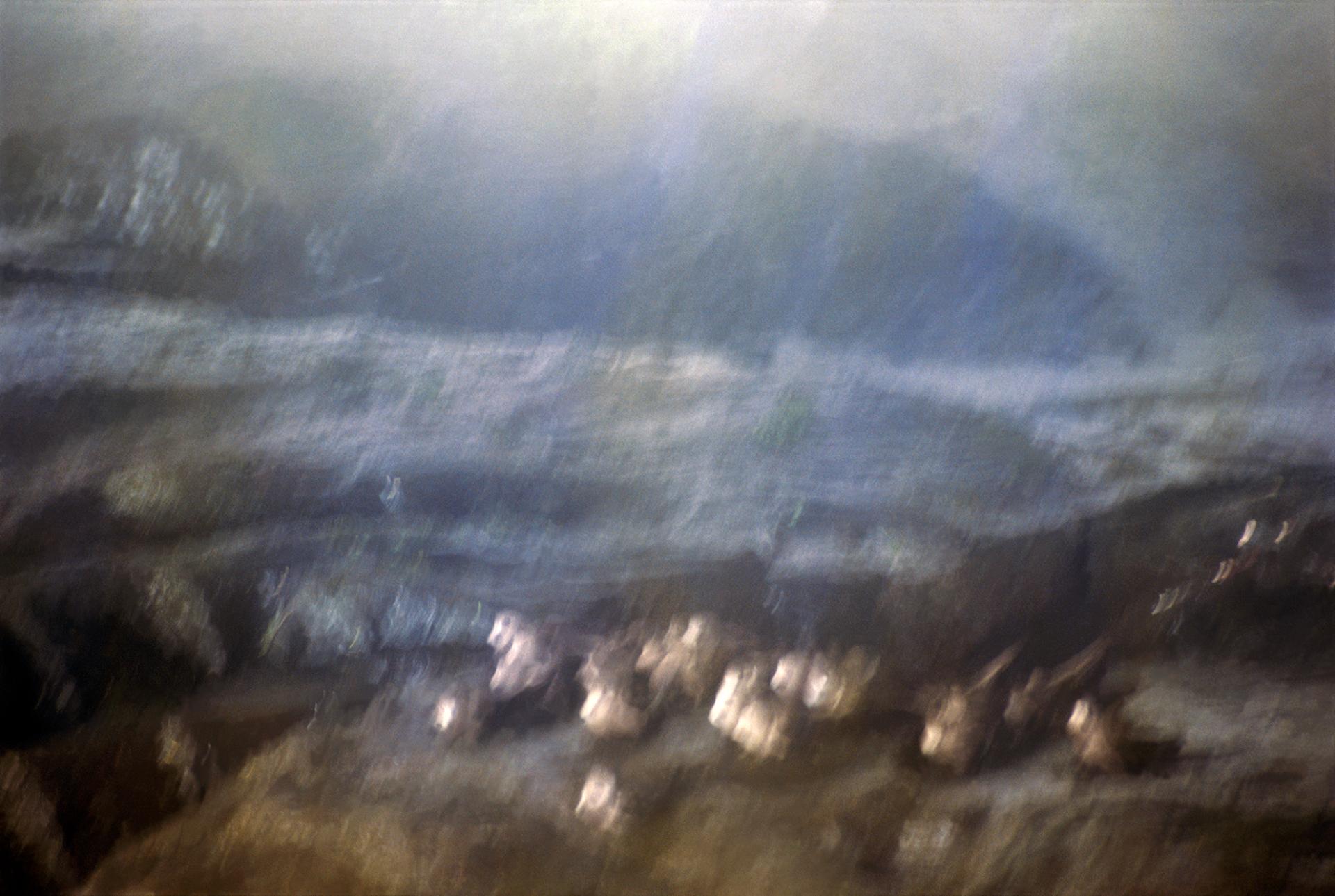
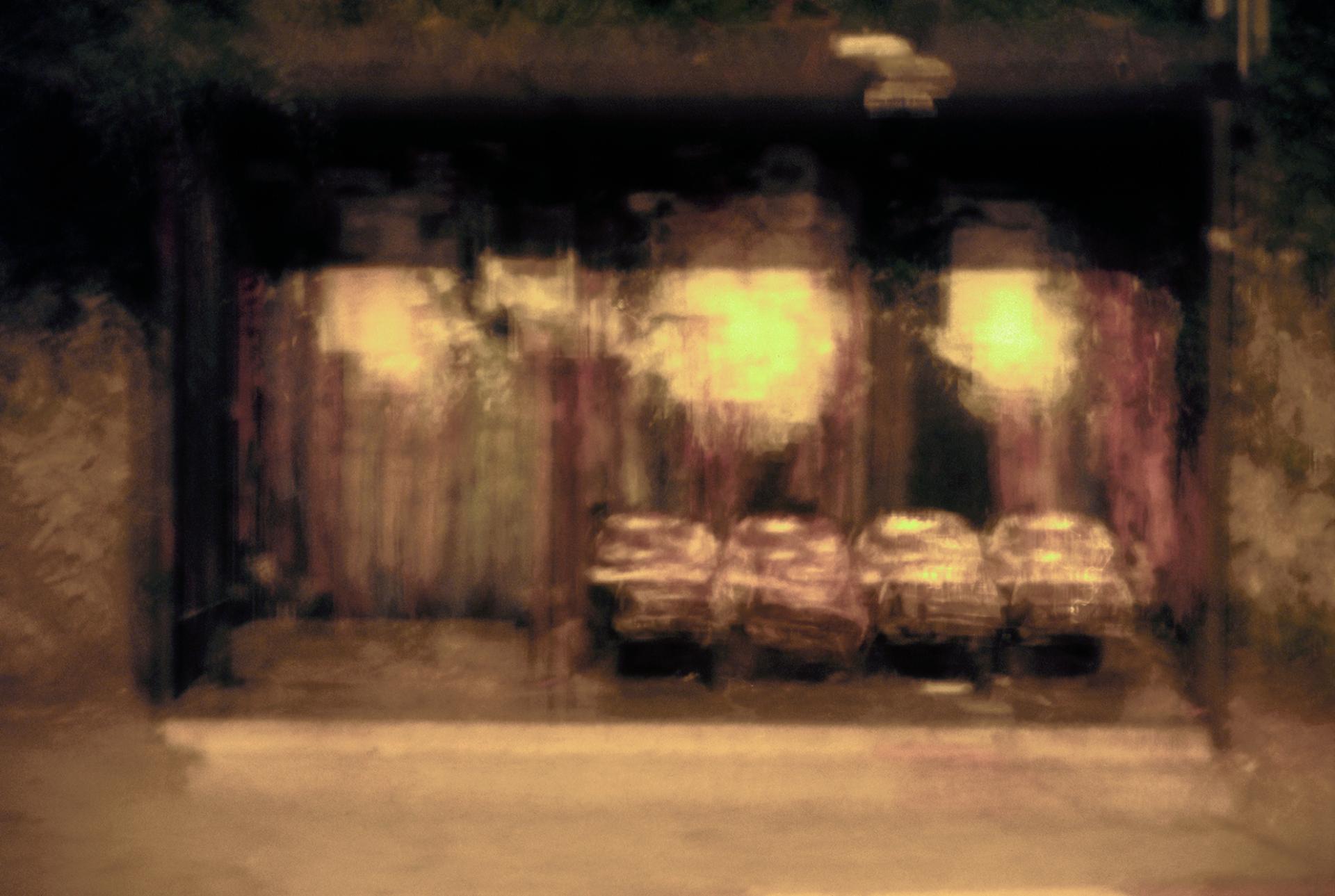
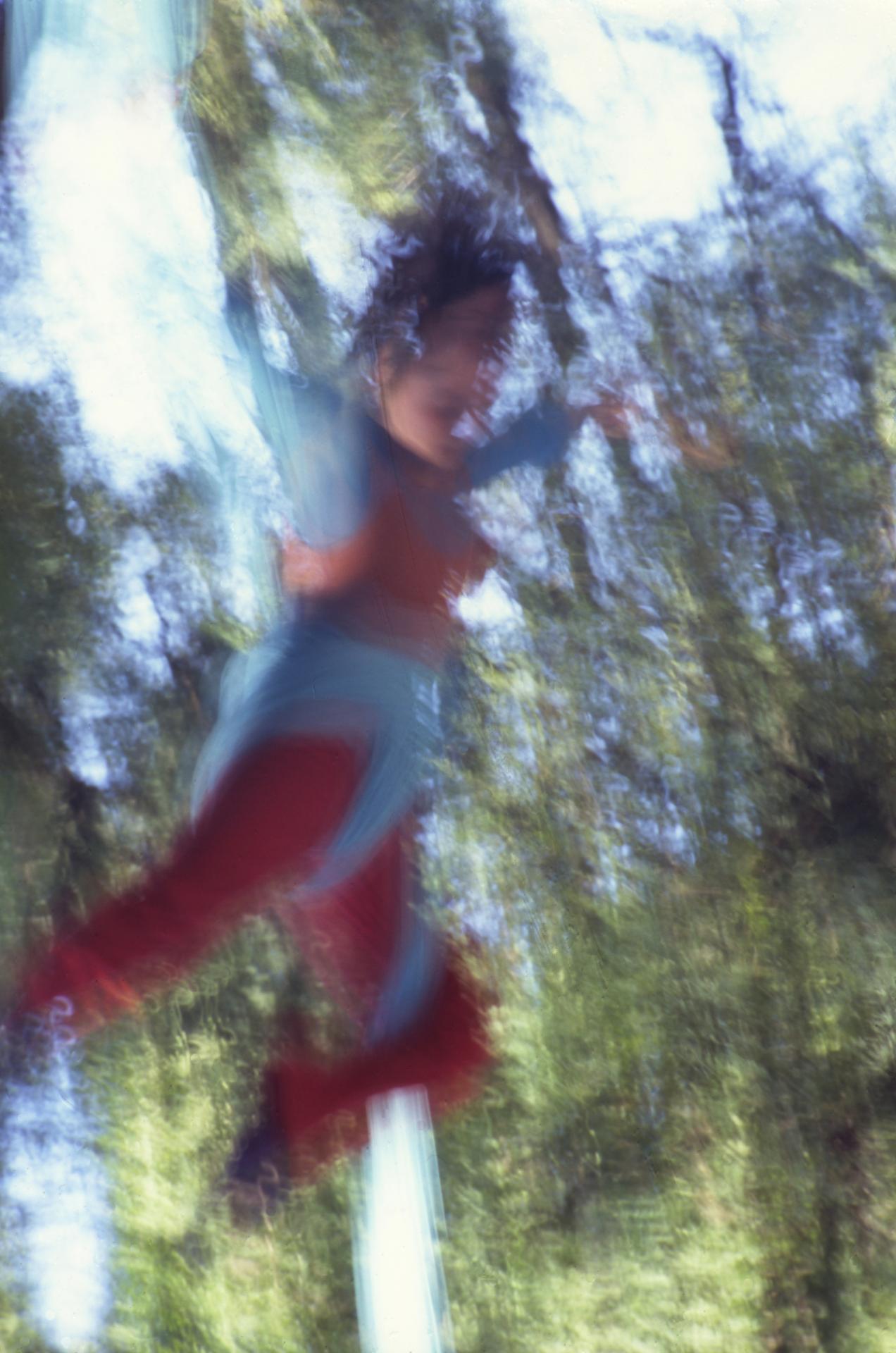
The choice of the exposure’s duration rests upon the velocity of the happening, on its “spreading” throughout its time. Yet that is a thing that hinges upon the same thing.
The question, 'What is a moment?' is answered uniquely within each photograph, shaped by the subject of the occurrence and its own inherent ‘time’.
One may consider the unfolding present, the past, and the future to come, as well as the enduring and lasting element in each, although additional facets can be revealed—and merge into something more whole—when time 'unifies’.
The photographs in this series were presented in the exhibition Motion pictures at ZOA House, Tel Aviv; in the exhibition Herenow at the Jerusalem Theatre; and at Colorida Art Gallery in Lisbon, Portugal.
-
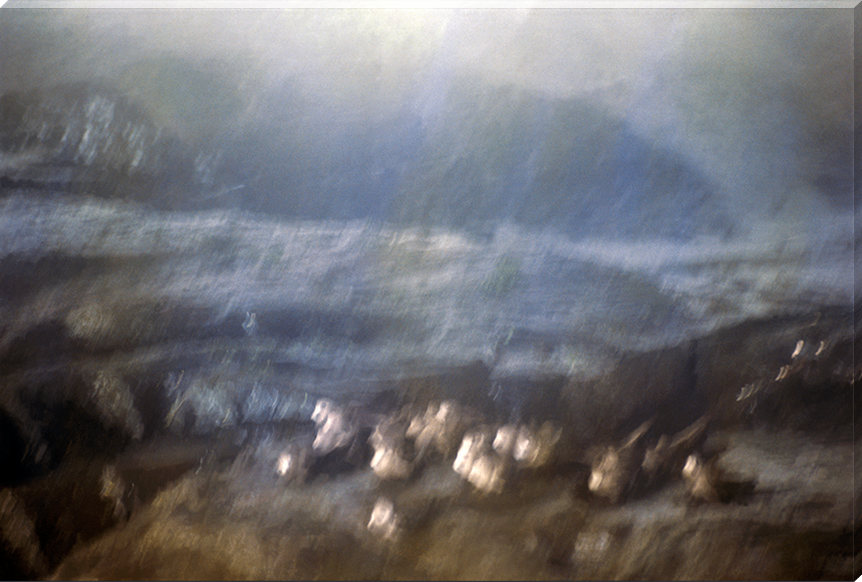
Monsoon
Kinnaur Valley
- Shutter speed: 1/15–1/10
- Slides: Fuji Sensia 100
- Print size: 83x55 cm
-
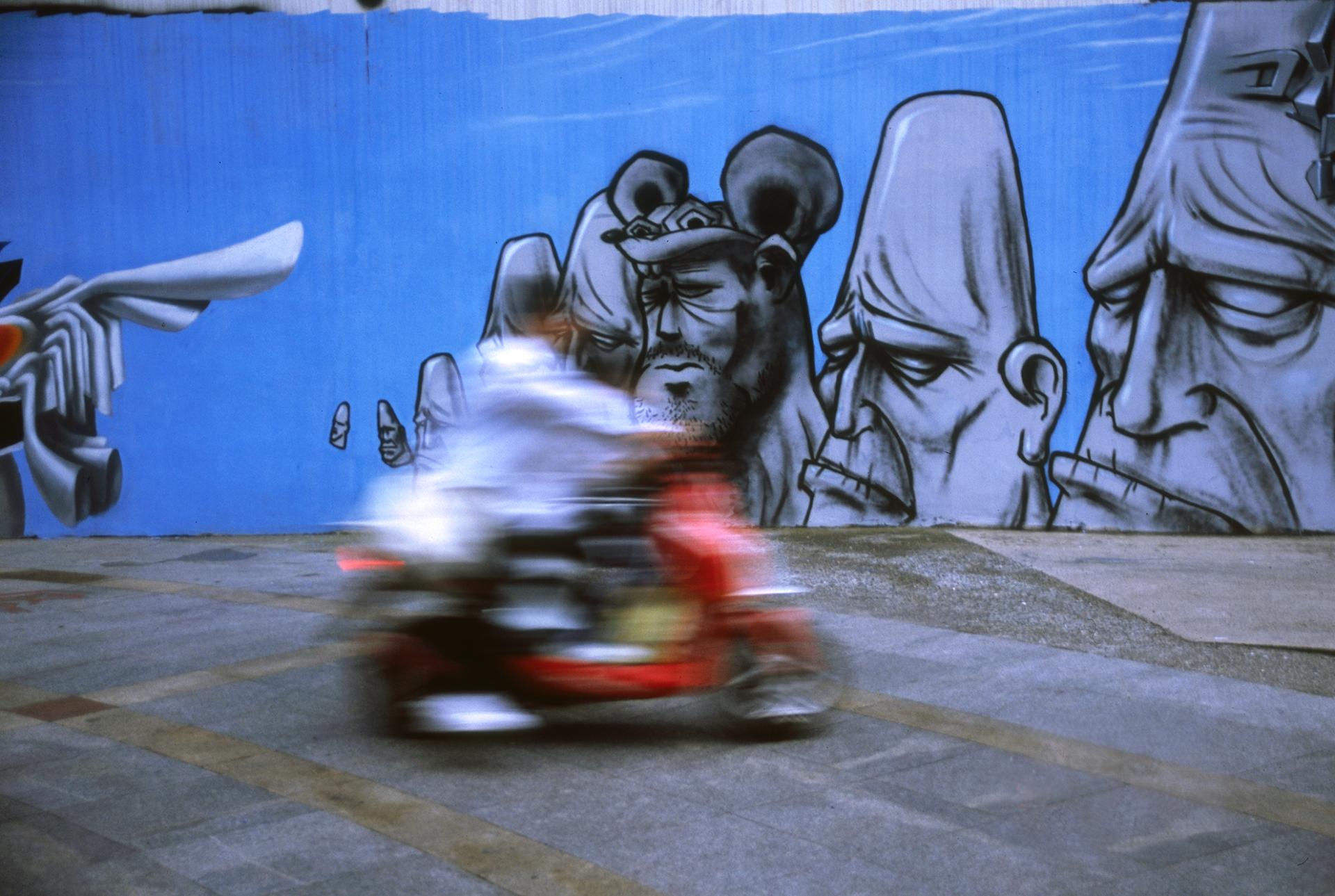
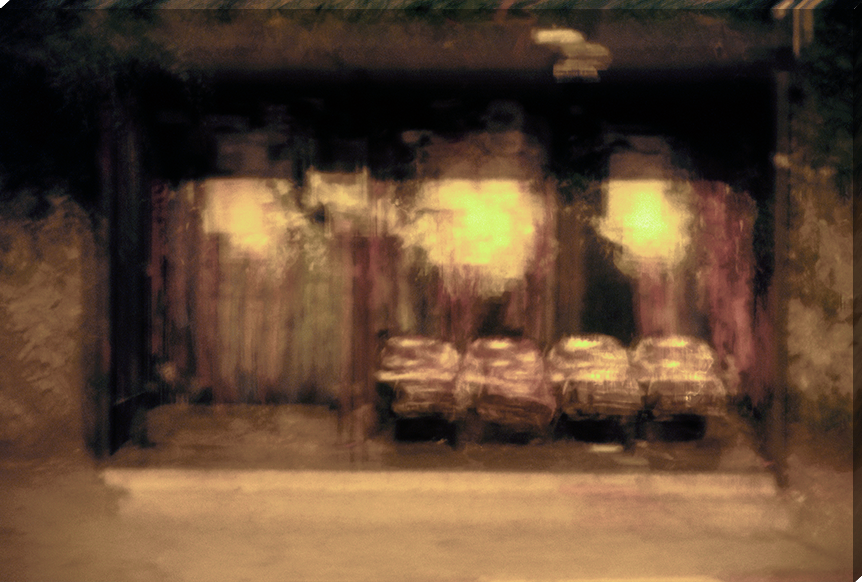
Graffiti
Ein Karem
- Slides: Fuji Sensia 100
- Print size: 70x47 cm
-
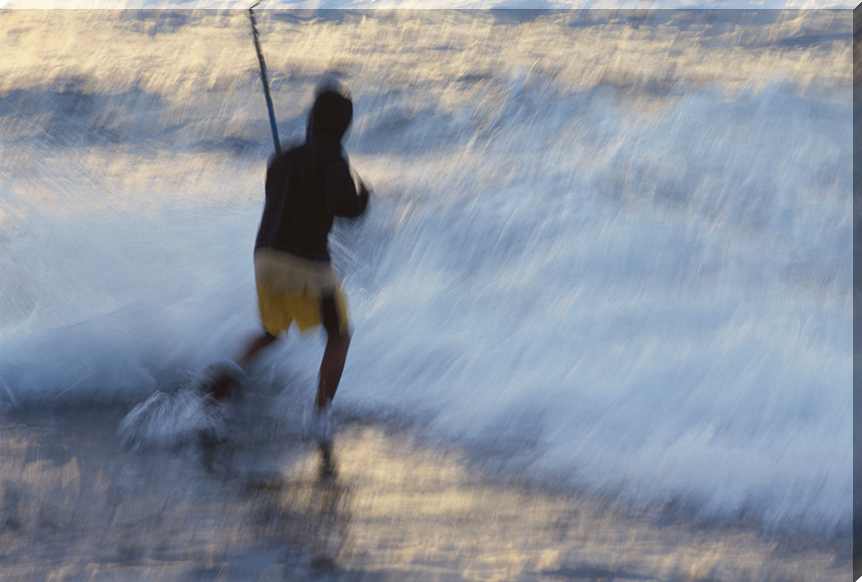
Loud temper
Akko
- Shutter speed: 1/20–1/15
- Slides: Fuji Sensia 100
- Print size: 78x52 cm
-
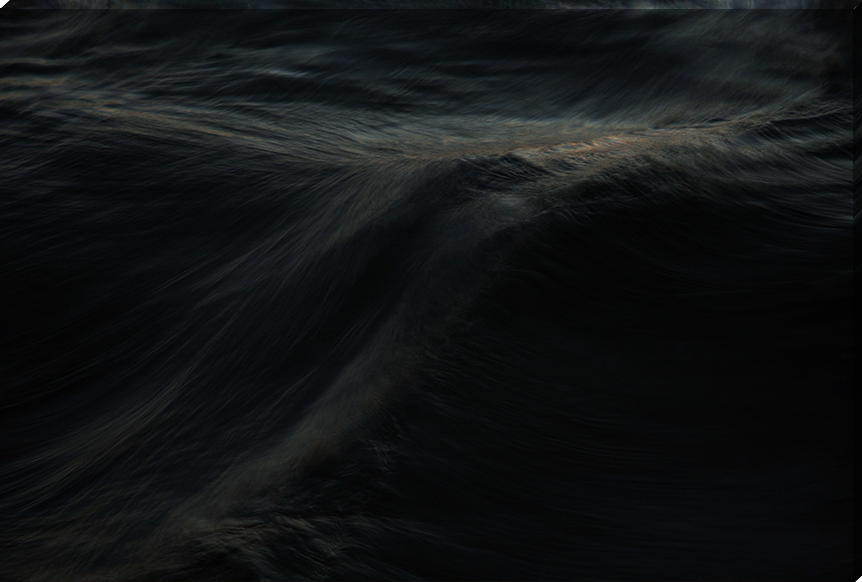
Wave
Arsof Kedem
Moonlit wave crest
- Shutter speed: 1/10
- Print size: 79x53 cm
-
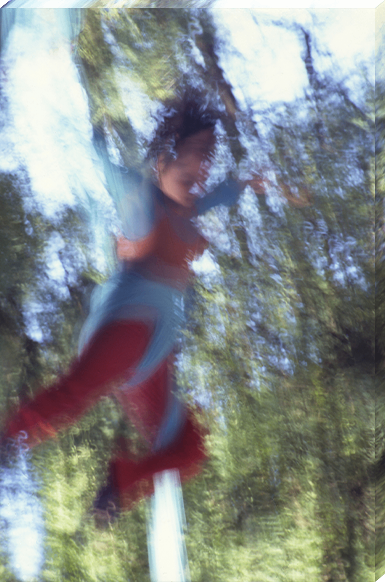
Aerial
Tissue acrobat
- Shutter speed: 1/30–1/20
- Slides: Fuji Sensia 100
- Print size: 50x76 cm
-
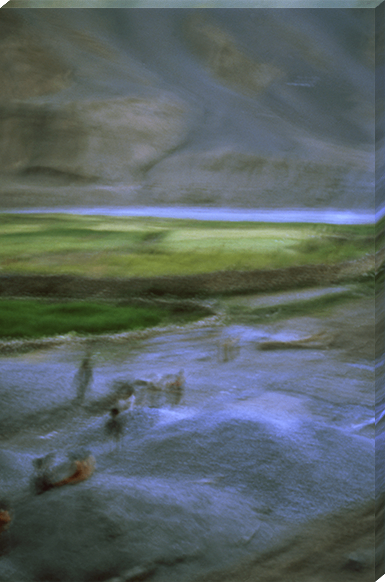
Awakening
Moments before nightfall
- Slides:Fuji Sensia 100
- Print size: 52x79 cm
-
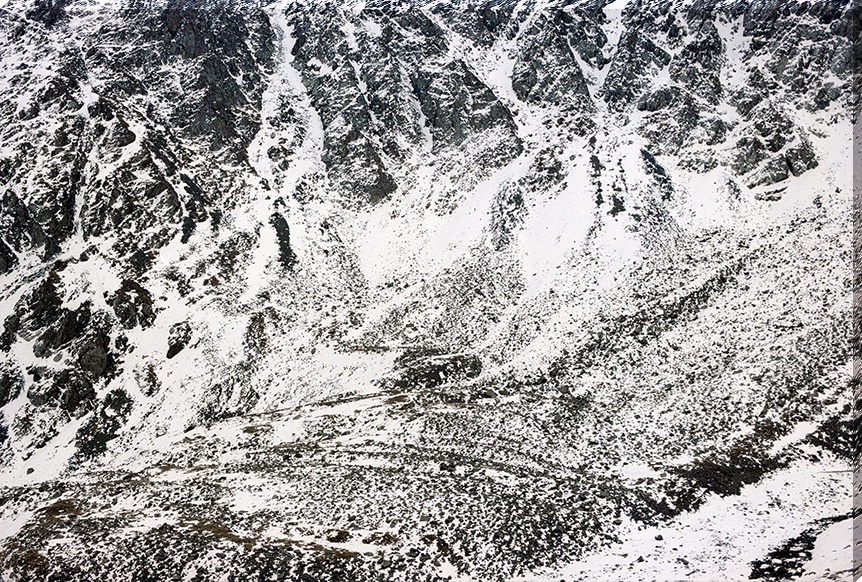
White sun
At Bashi
- Slides: Fuji Sensia 100
- Print size: 79.5x52 cm
-
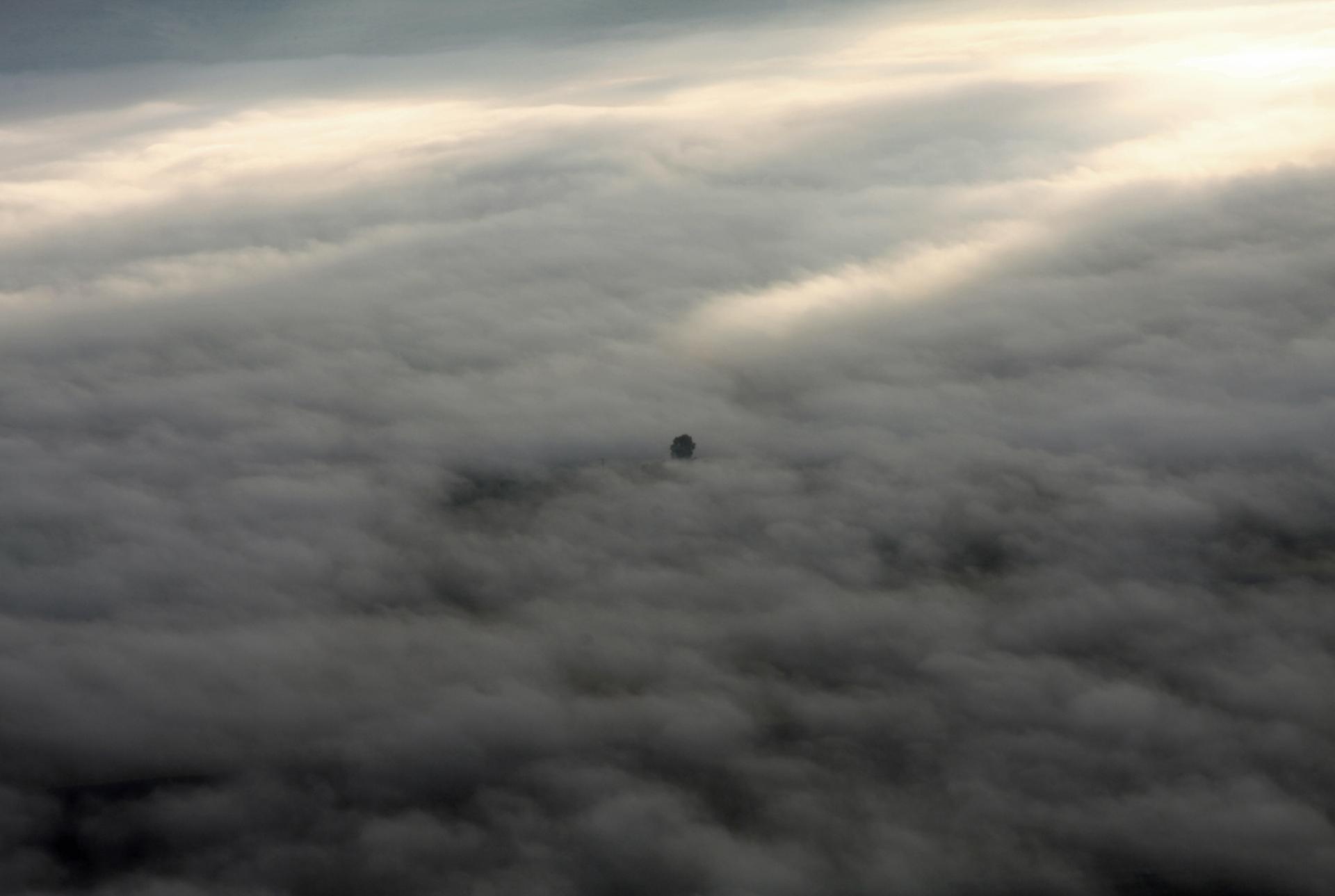
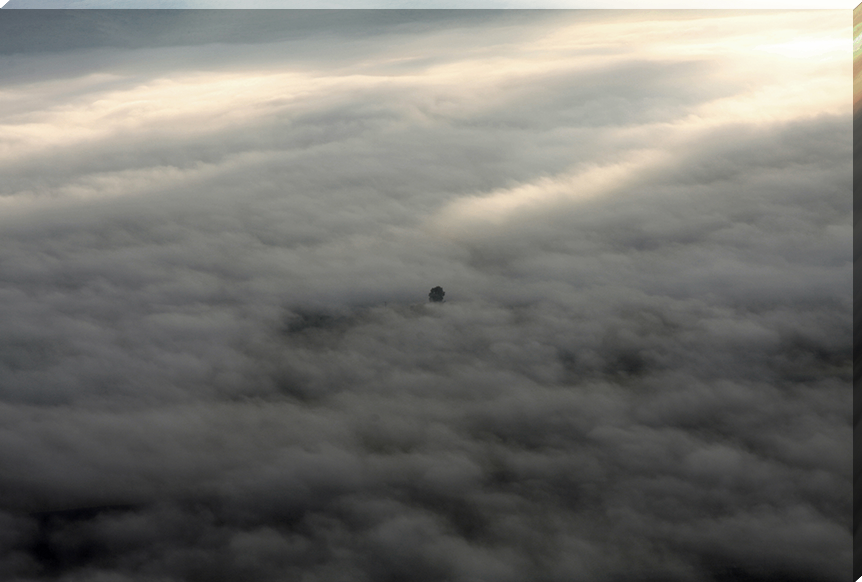
Tree
Ramot Naftali
Clouds covering the valley at dawn
- Print size: 79x52.5 cm
- Limited edition
-
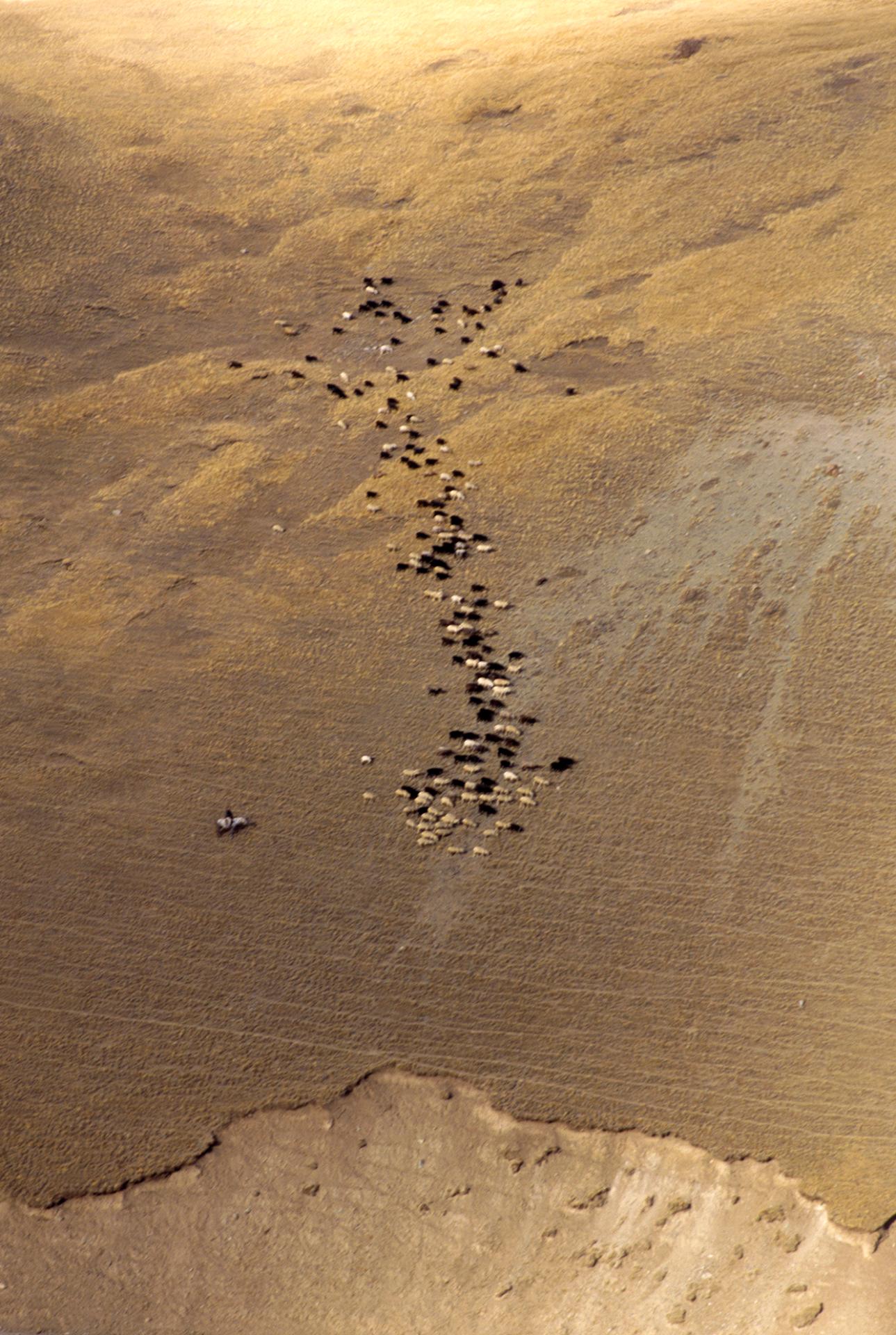
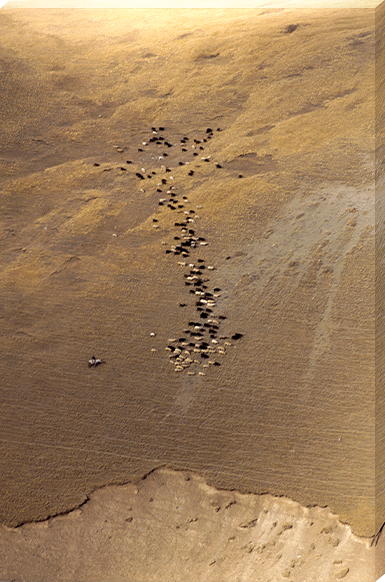
Tabula Rasa
Livestock and shepherd
- Slides: Fuji Provia 100
- Print size: 56x81 cm
-
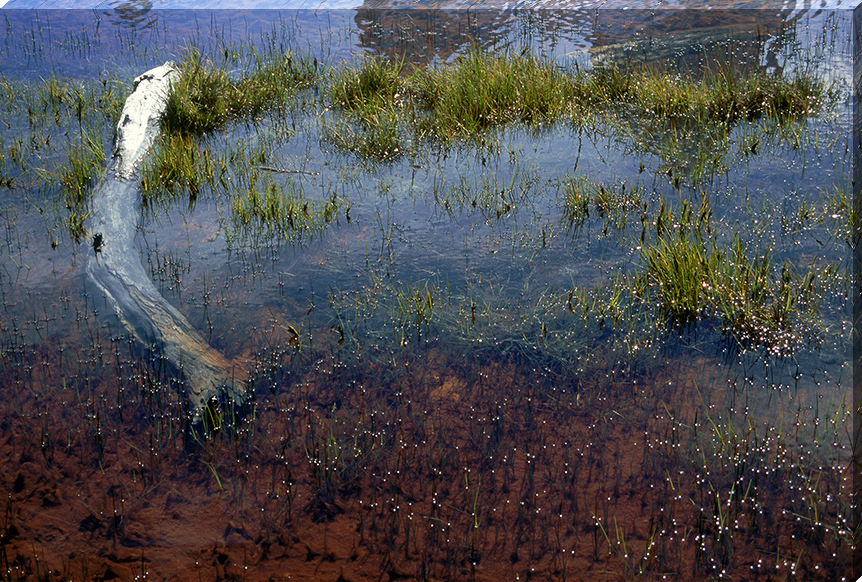
Tathata
- Slides: Fuji Provia 100
- Print size: 77x51 cm
-
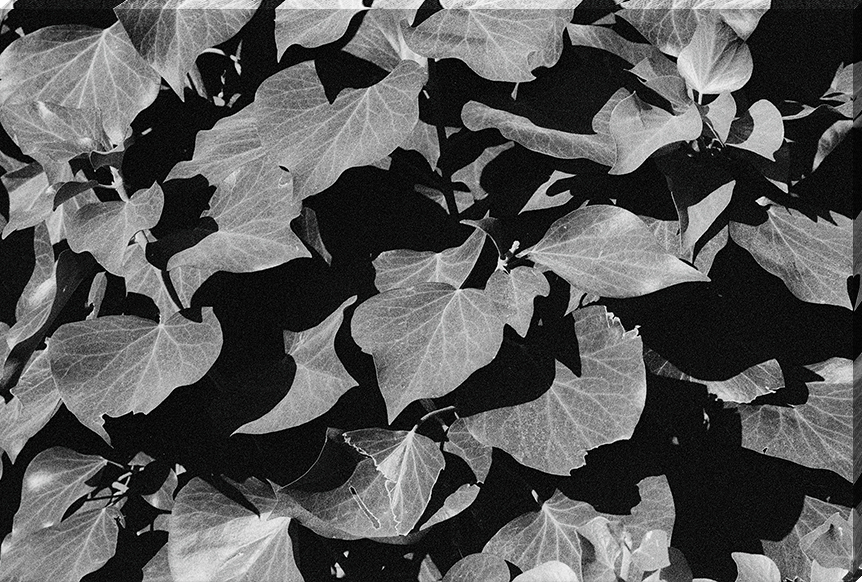
The plea
Zfat
- 35mm: Ilford’s Delta 100 b&w
- Print size: 83x55 cm
-
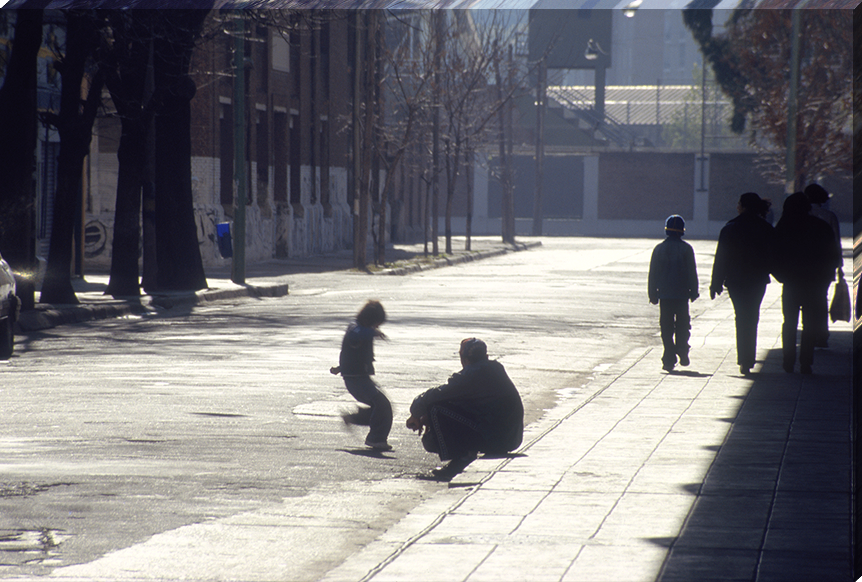
La Boca
- Slides: Fuji Sensia 100
- Print size: 80x53 cm
-
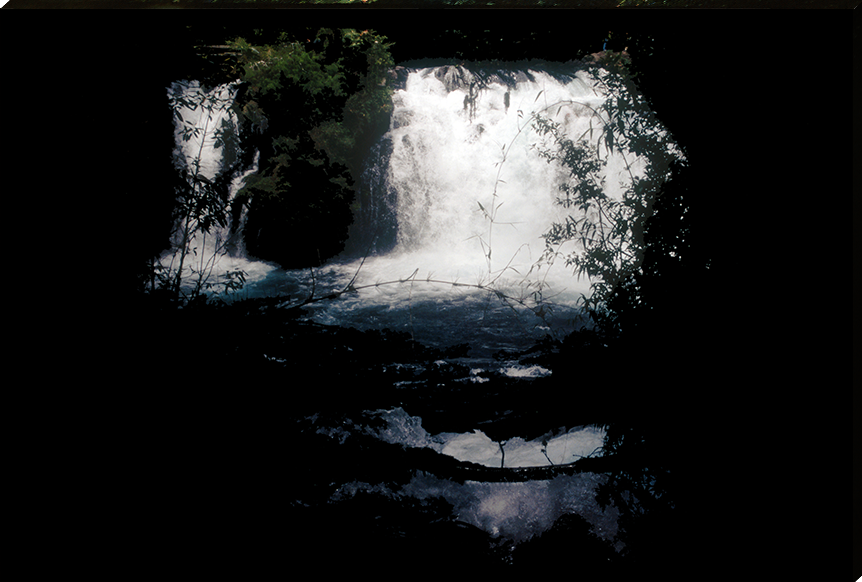
Satiation
Encounter
- Slides: Fuji Sensia 100
- Print size: 80x53 cm
-
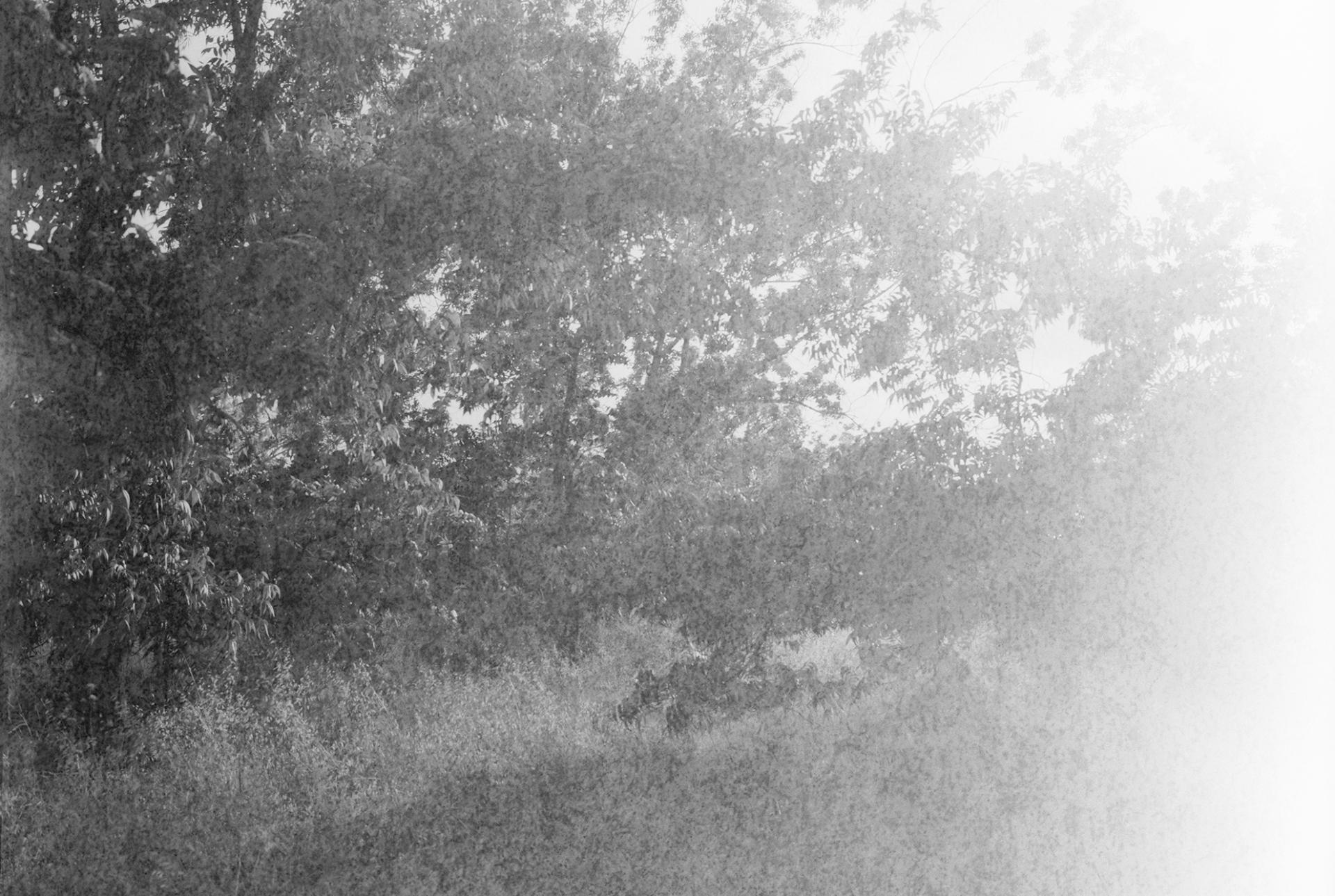
Herenow
Herenow
There are moments with a natural and cyclical hue, composed of prolonged or periodical spans of time—situated in the background of everyday life and consciousness, yet at the very center of hope.
To reckon them, one needs to adjust: a subtle attunement, its refinement, or its complete dissolution. Otherwise, the essence may be sidelined, and the taste of the self-evident may turn bitter.
The Hebrew word for still life, domem, derives from the noun dmama—in silence, without an apparent sound or movement.
The photographs in this series were presented in the exhibition Around the Lake at Raanana Park and at the Rappaport Center for Culture and Arts, Haifa.
-
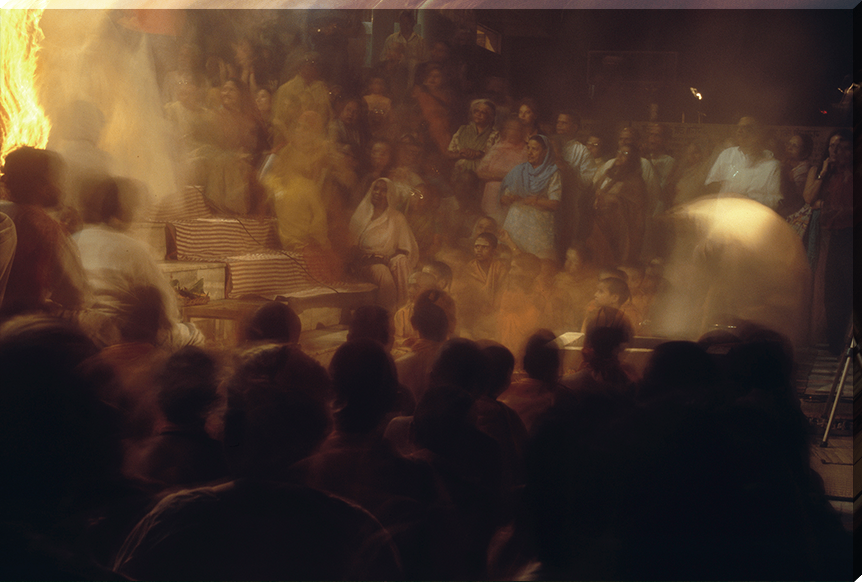
Praise
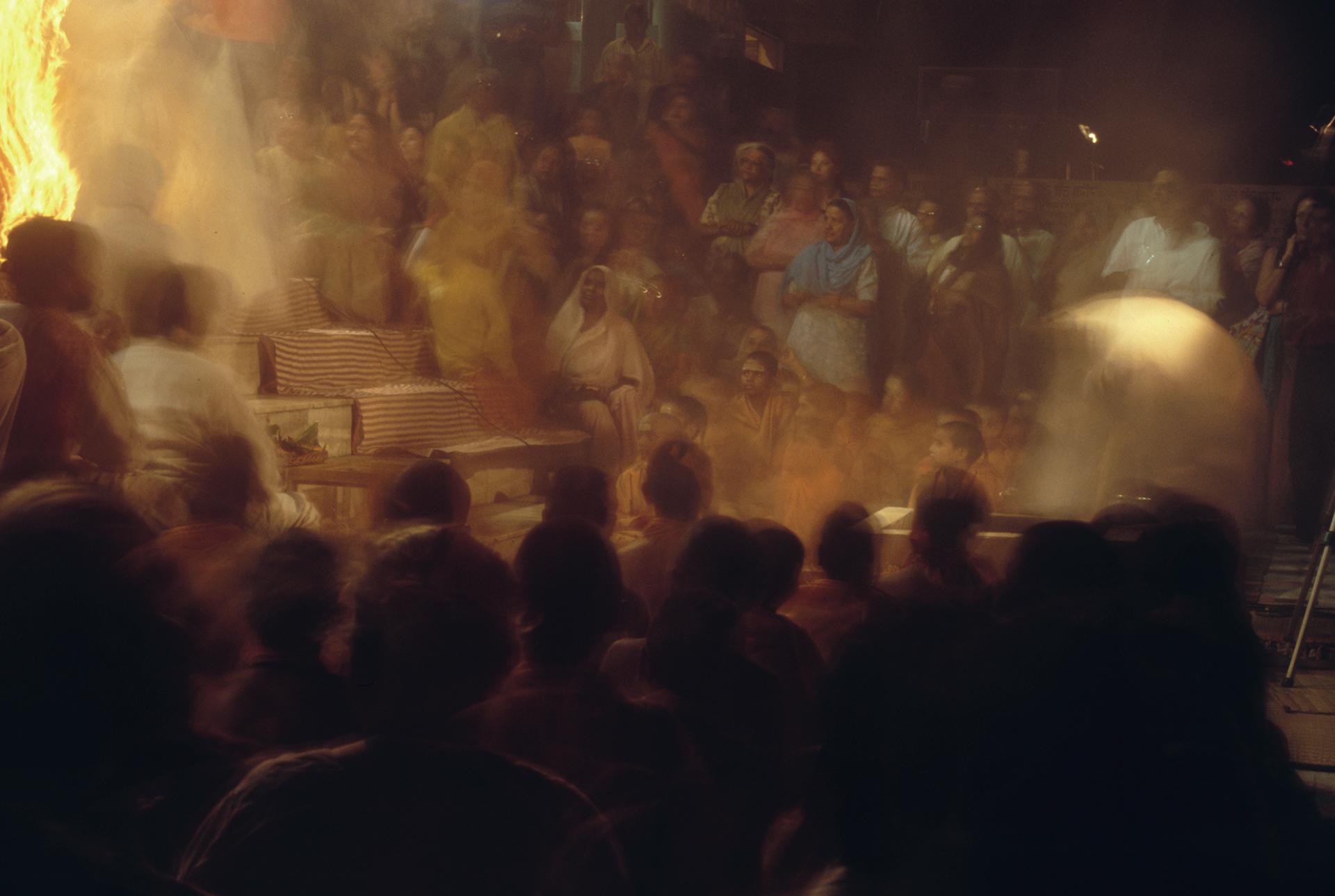
Rishikesh
- Shutter speed: 0.2’’–0.3’’
- Slides: Fuji Sensia 100
- Print size: 80x52.7 cm
-
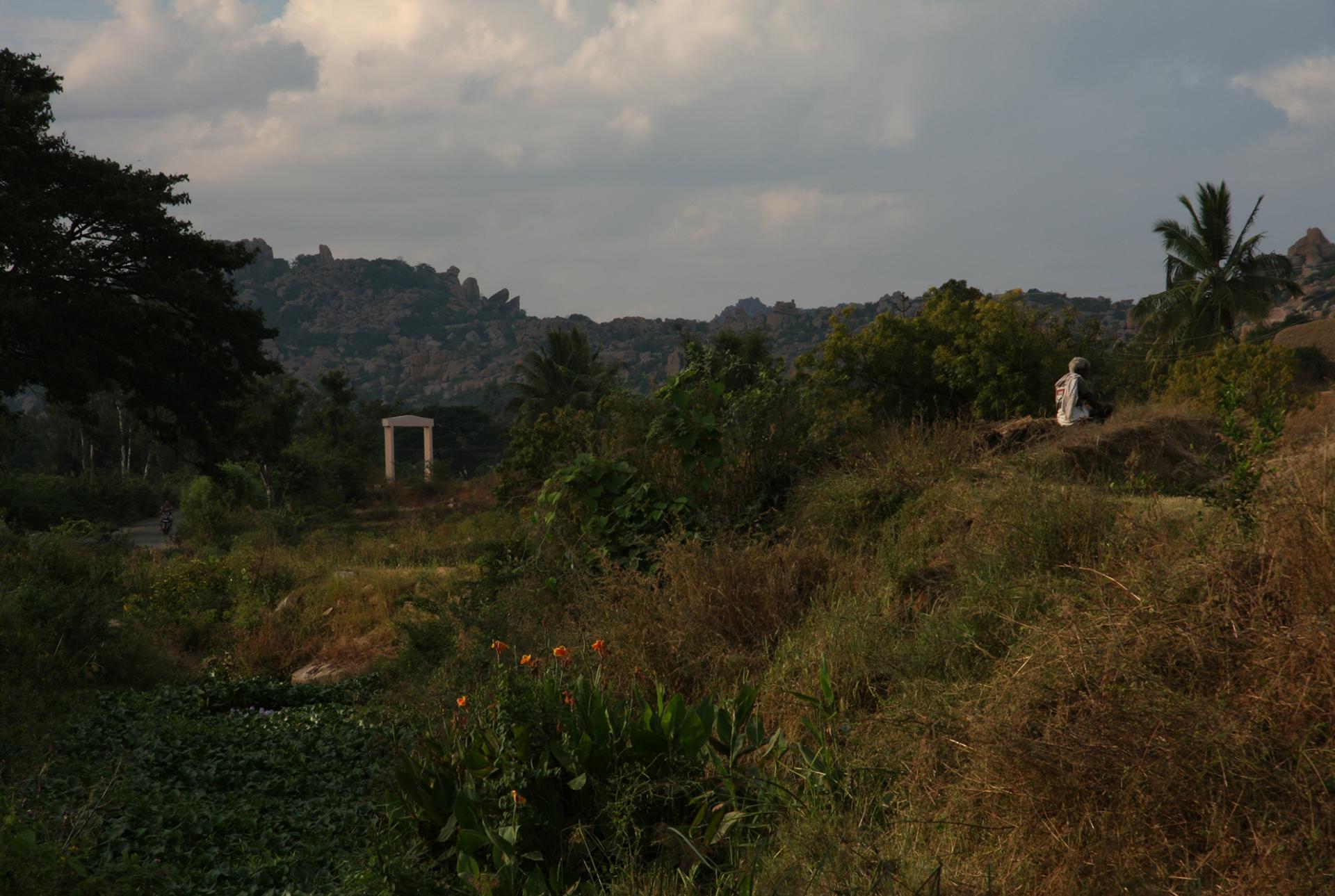
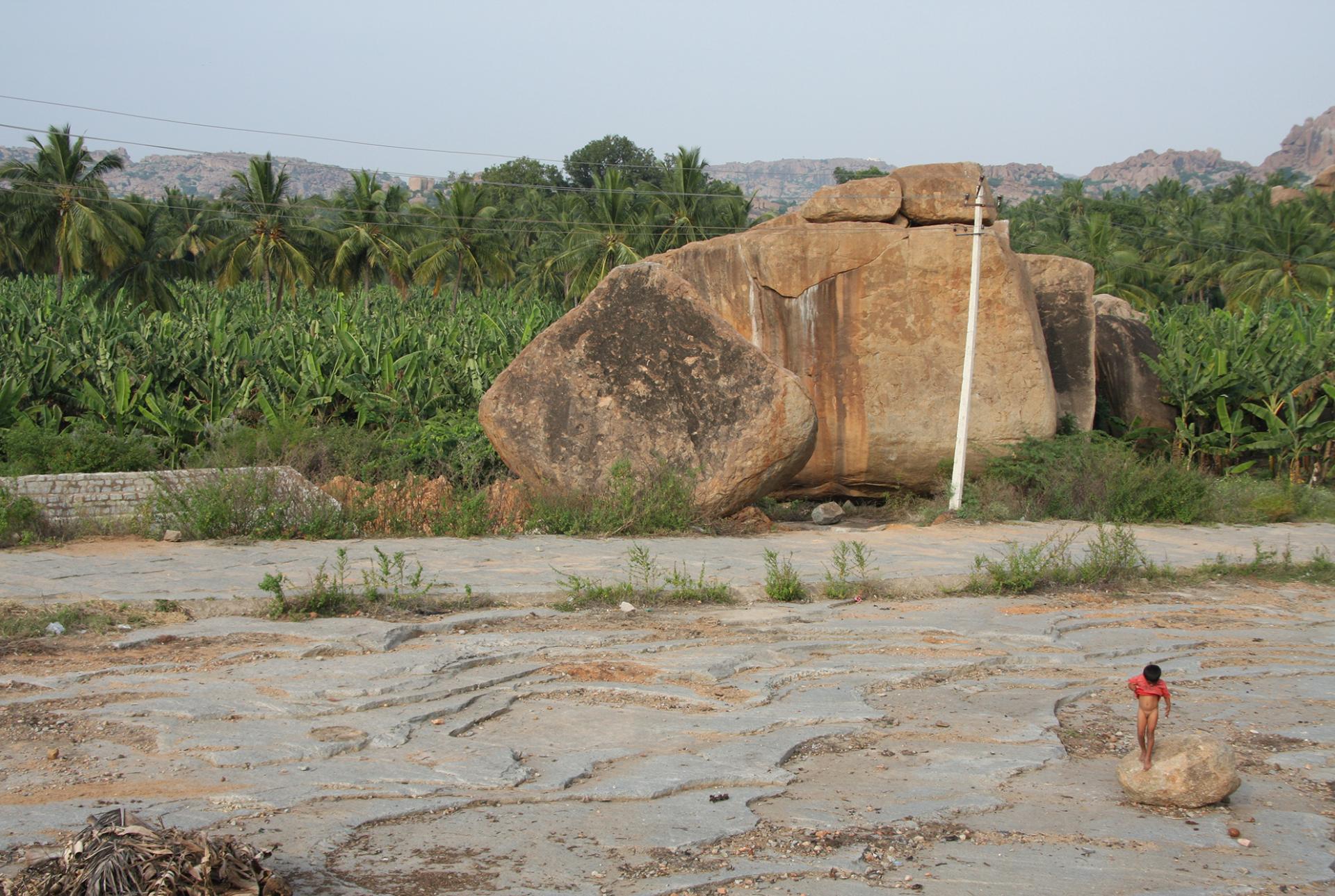
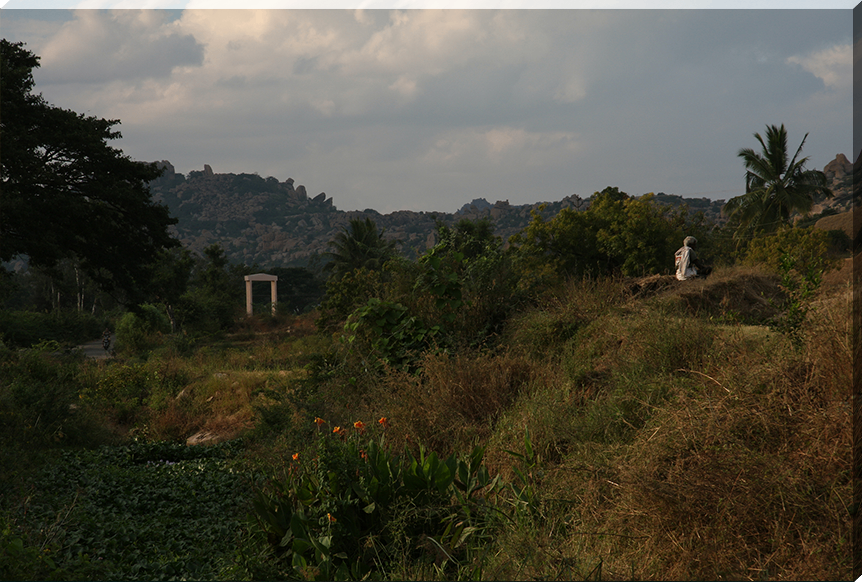
Base camp
Kamalapur
Digital RAW
- Print size: 75x50 cm
-
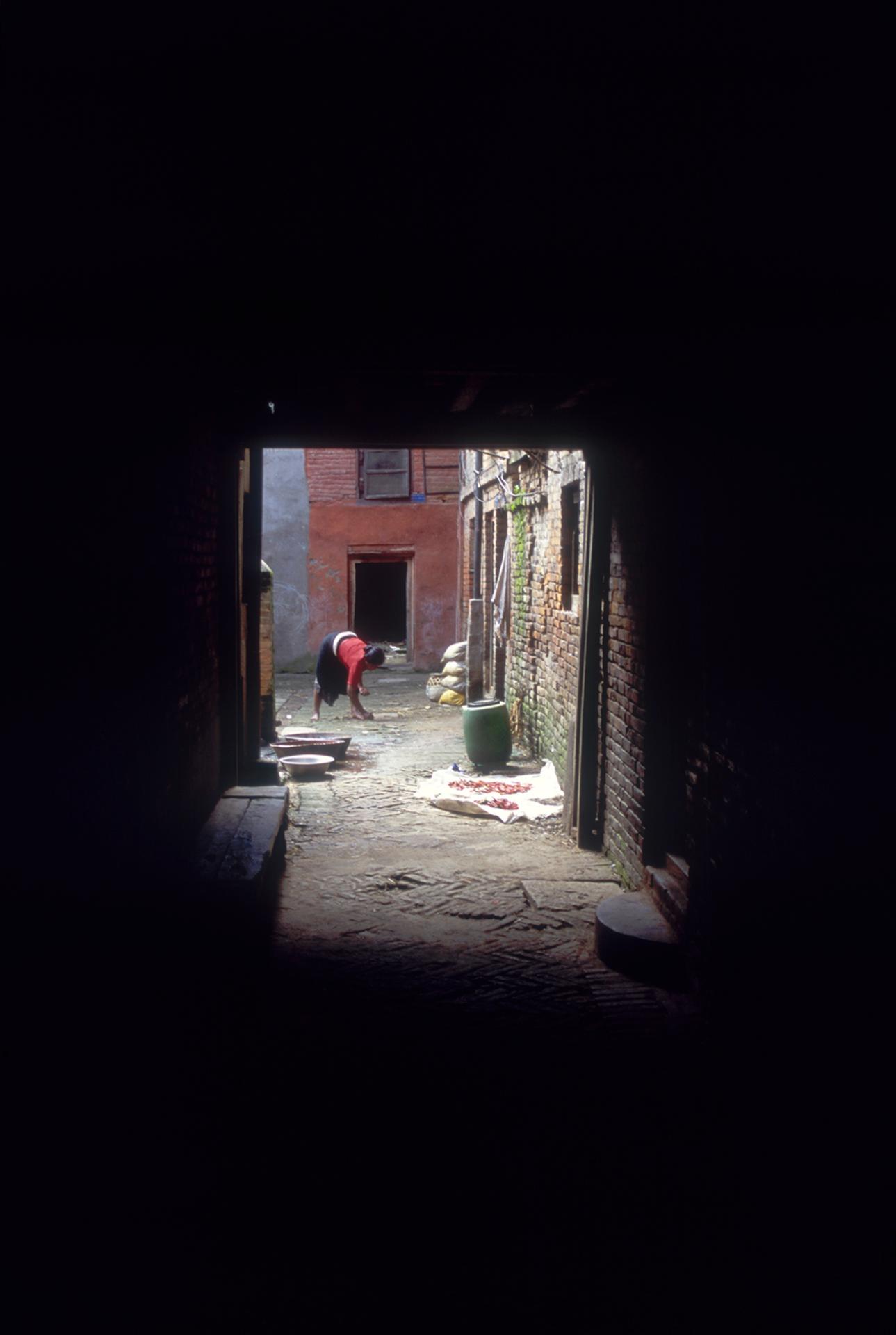
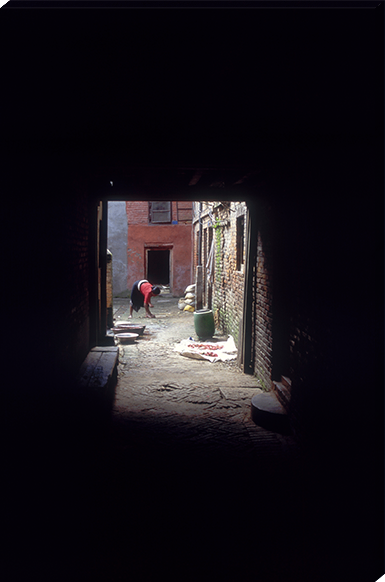
Entrance
Bhaktapur
- Slides: Fuji Sensia 100
- Print size: 52x79 cm
-
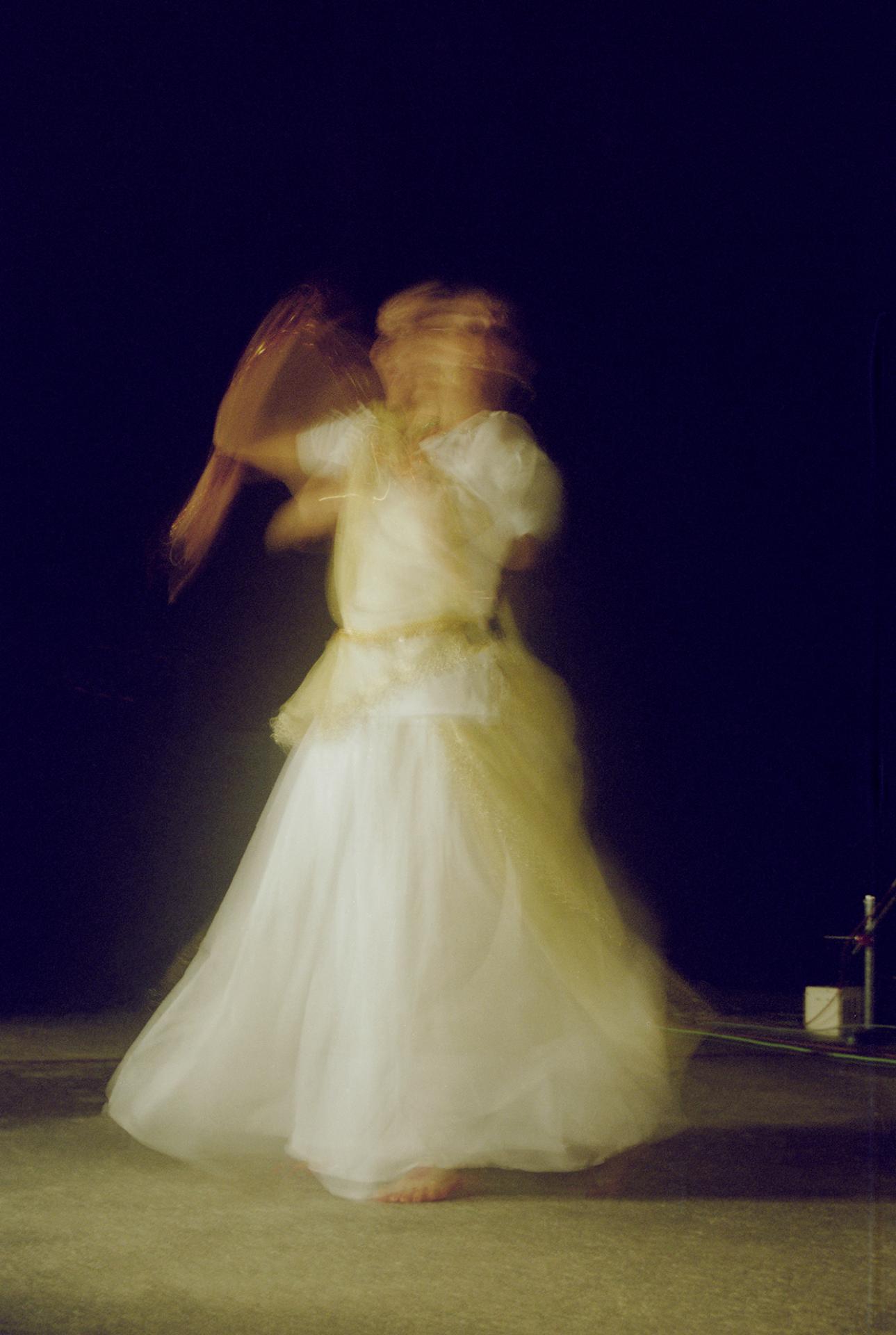
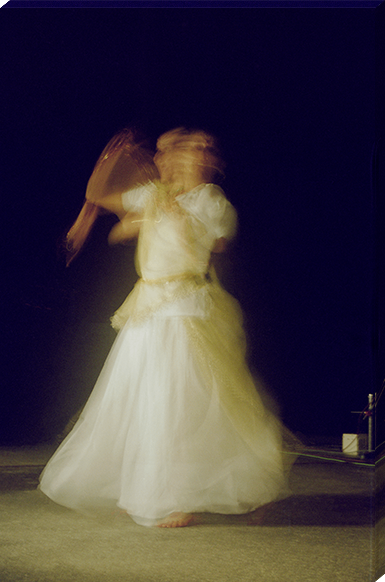
Ambiguous dance
- Shutter speed: 1/20–1/10
- 35mm: Kodak Gold 100
- Print size: 52.5x79 cm
-
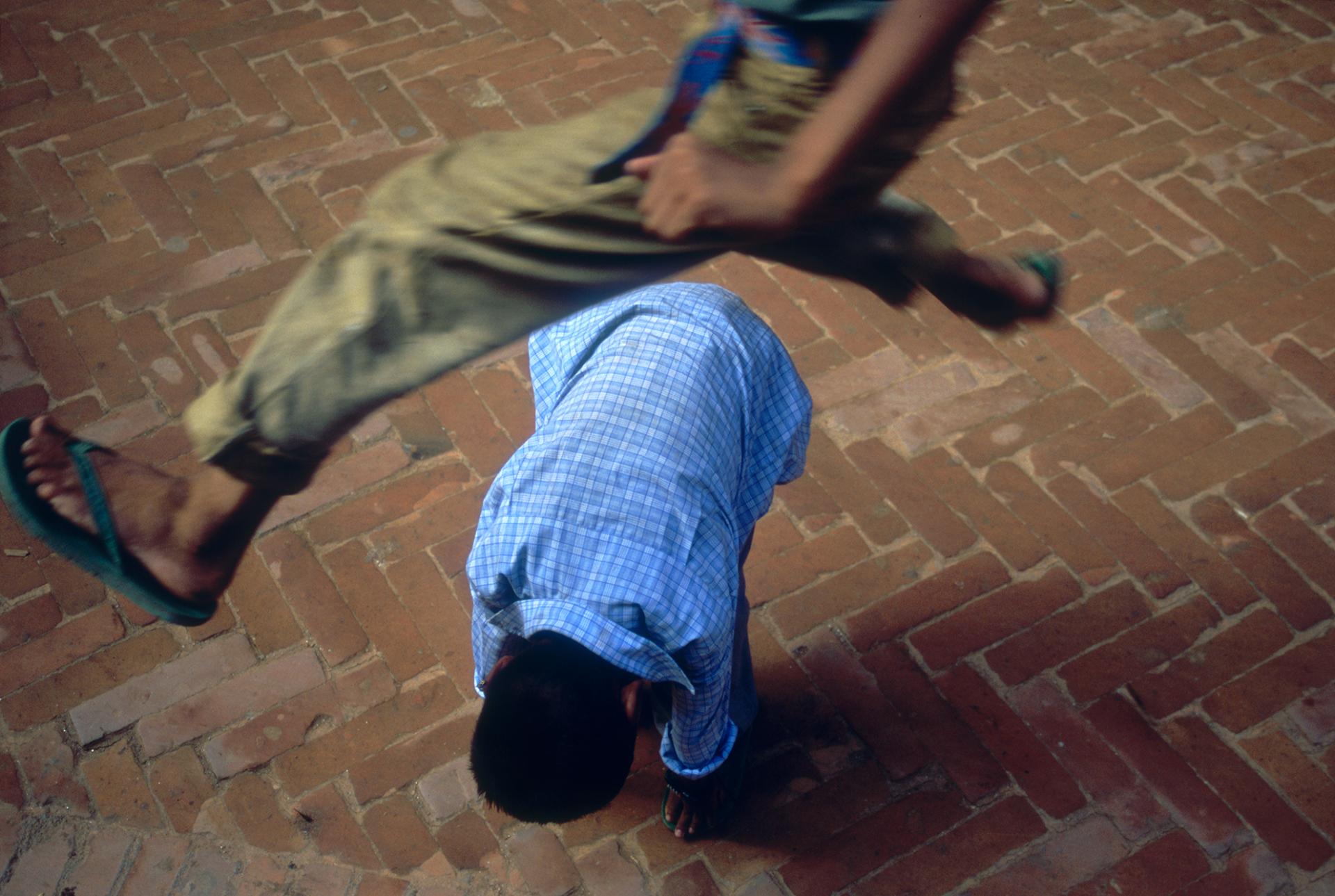
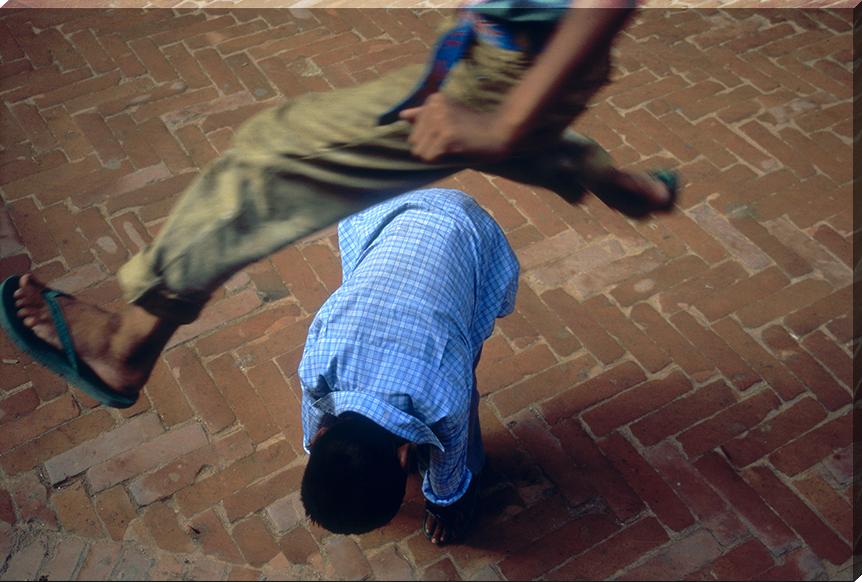
The big jump
Bhaktapur
- Shutter speed: 1/30–1/20
- Slides: Fuji Sensia 100
- Print size: 79x51.5 cm
-
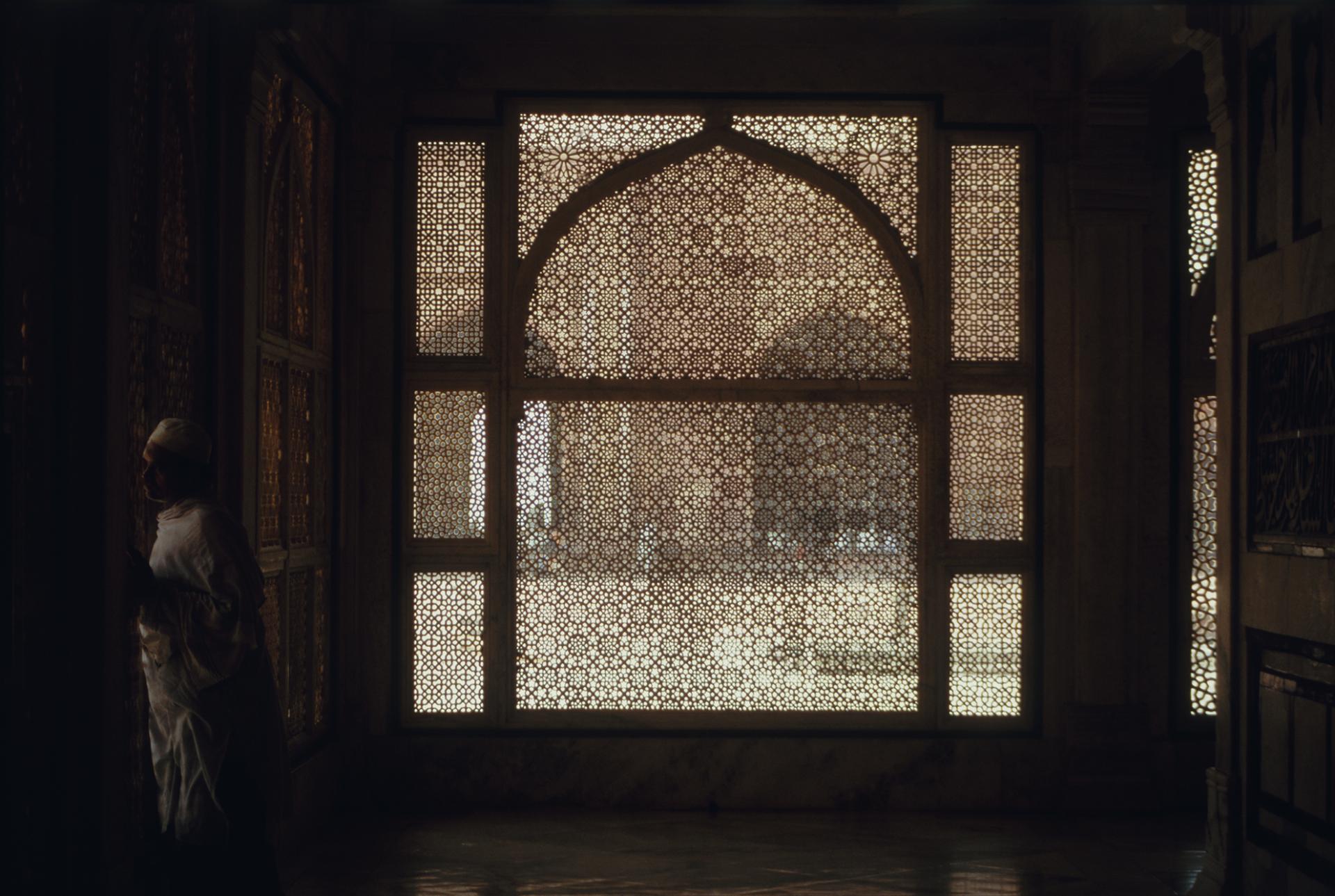
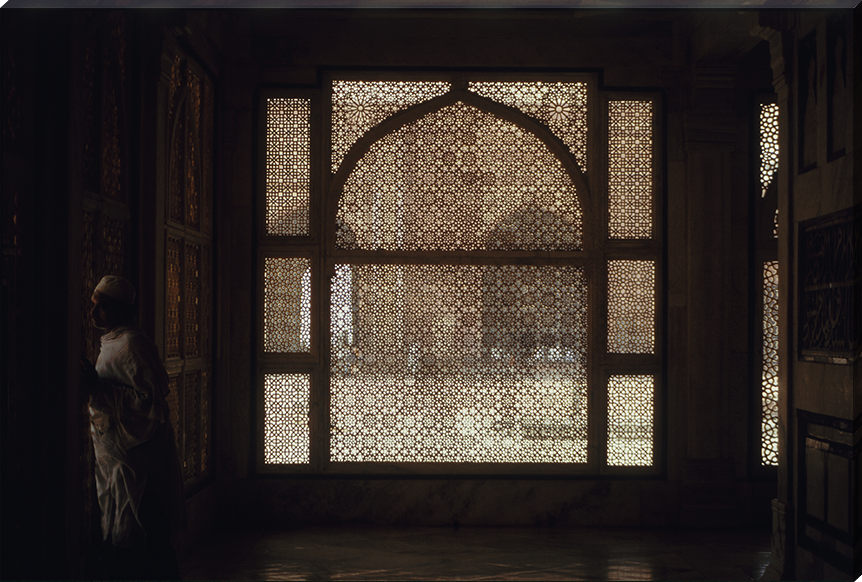
Eyelets
Fatehpur Sikri
- Slides: Fuji Sensia 100
- Print size: 77x52 cm
-
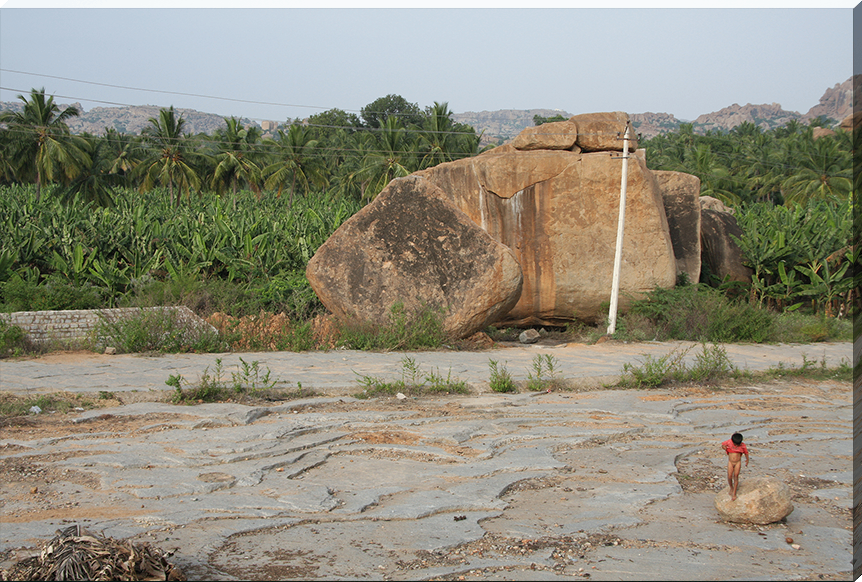
Circle
Kamalapur
Digital RAW
- Print size: 76.5x51 cm
-
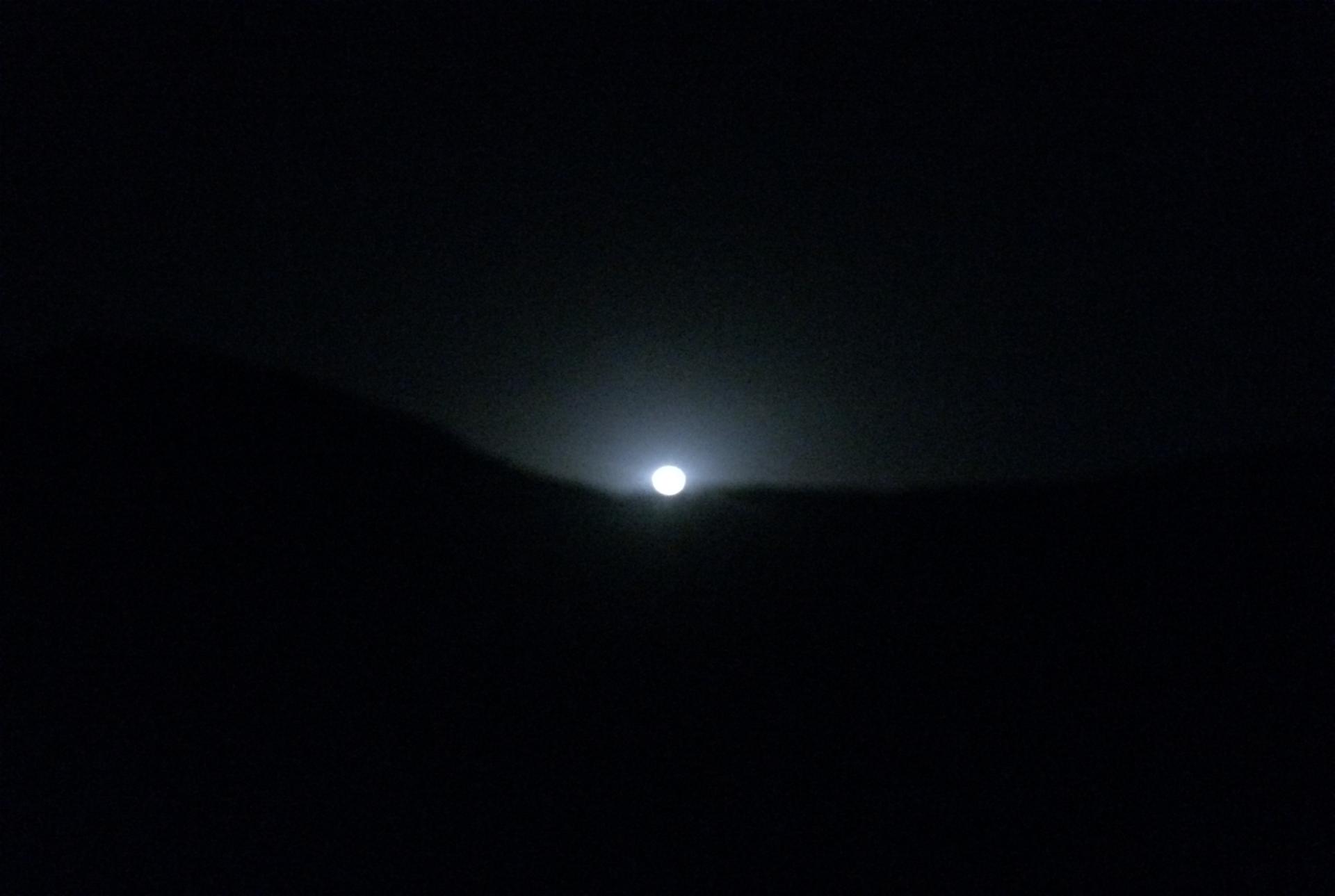
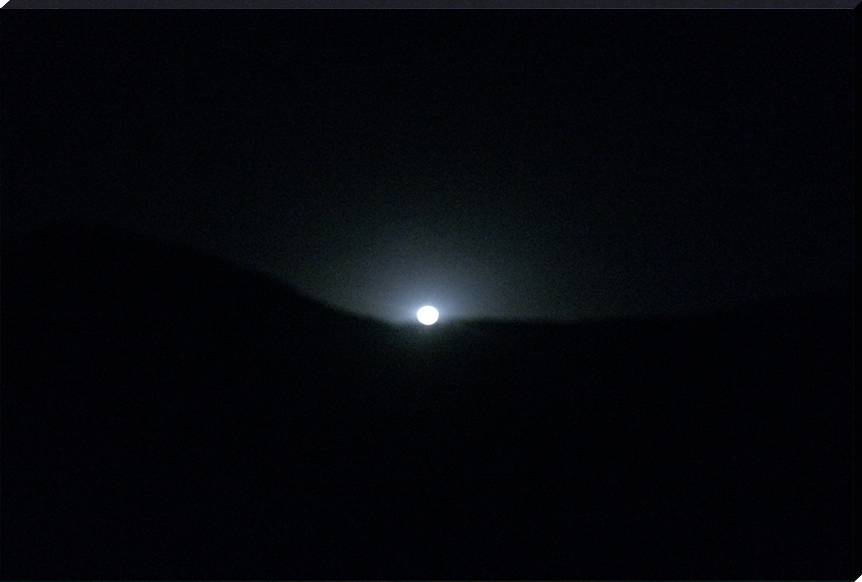
Moonrise
Tzin river
Digital RAW
- Print size: 73x49 cm
-
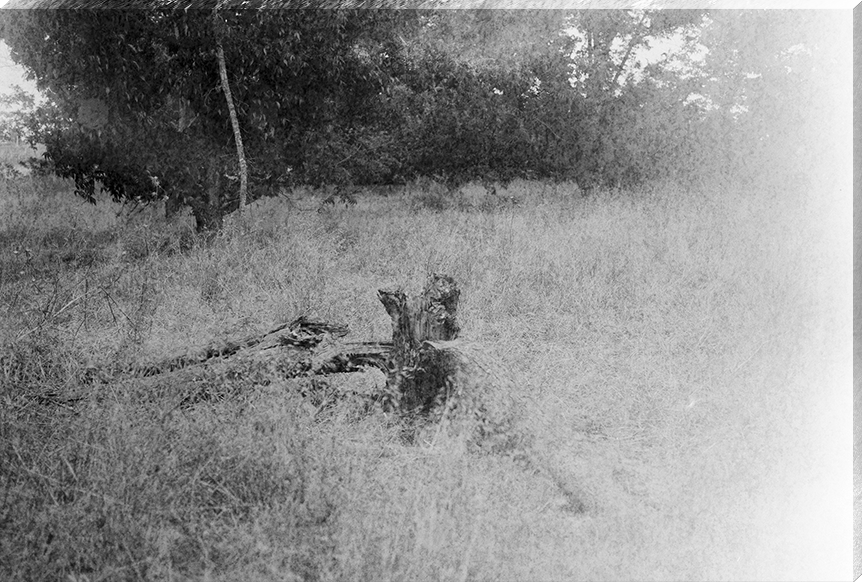
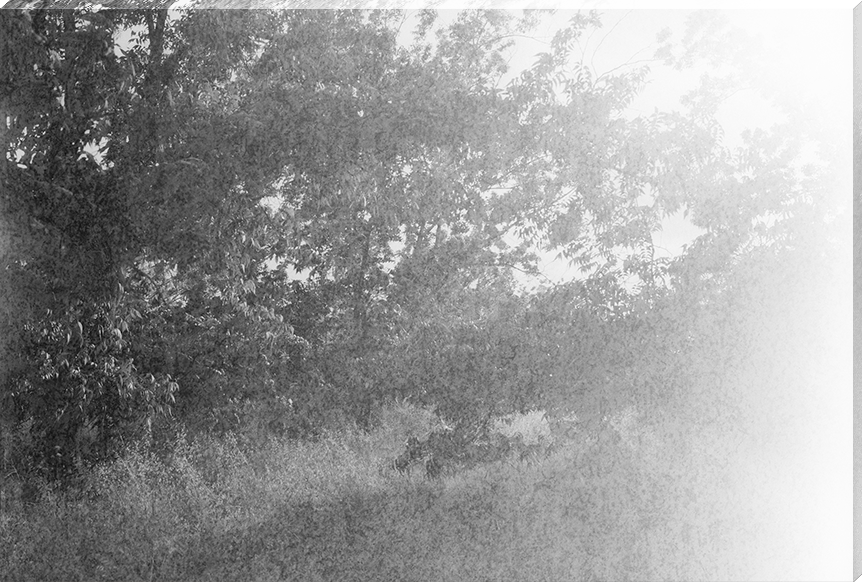
Illustration
Be’erotaim
- Medium format 6x4.5: Kodak Tri-X b&w
- Print size: 83x59 cm
-
Longing
Be’erotaim
- Medium format 6x4.5: Kodak Tri-X b&w
- Print size: 83x59 cm
-
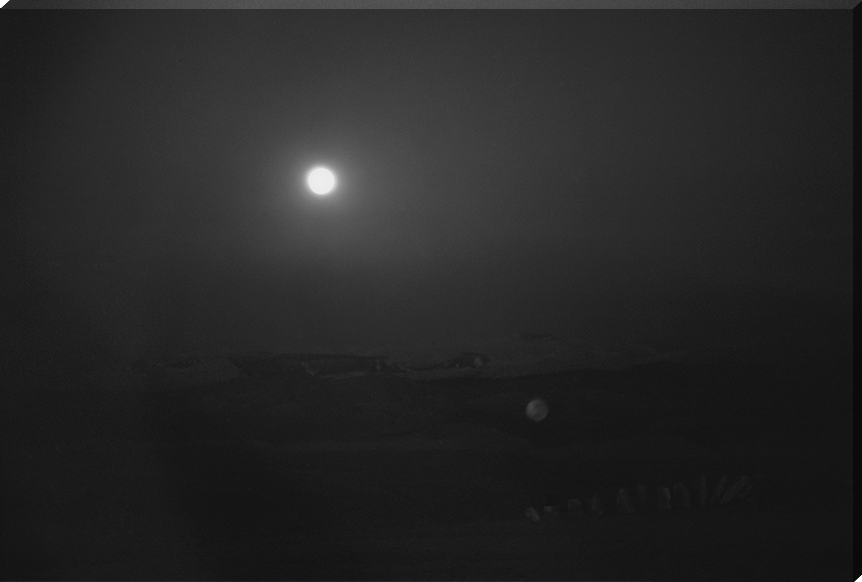
Moonwanders
Ramon crater
- Medium format 6x4.5: Ilford’s HP5 b&w
- Print size: 86.7x63 cm
-
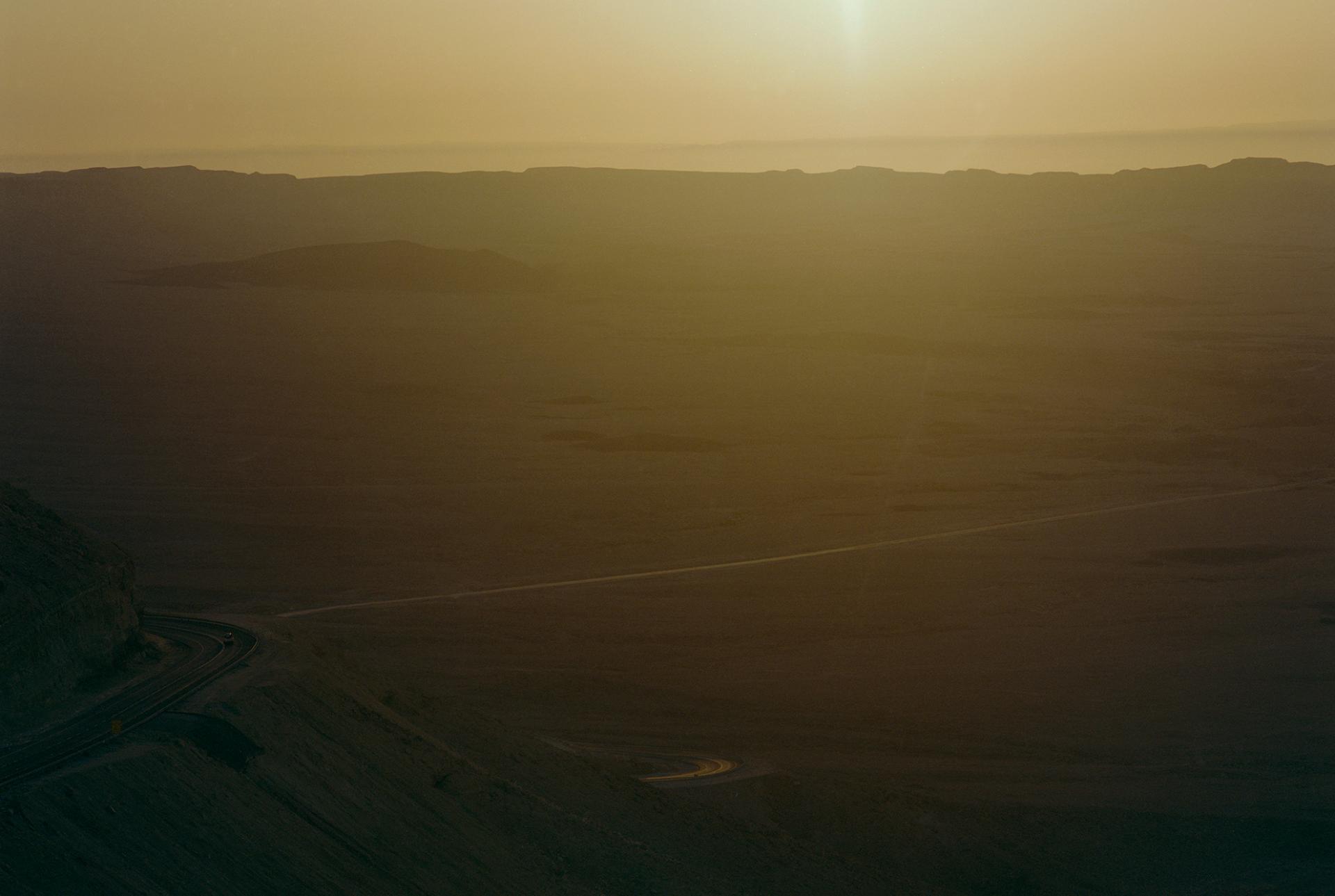
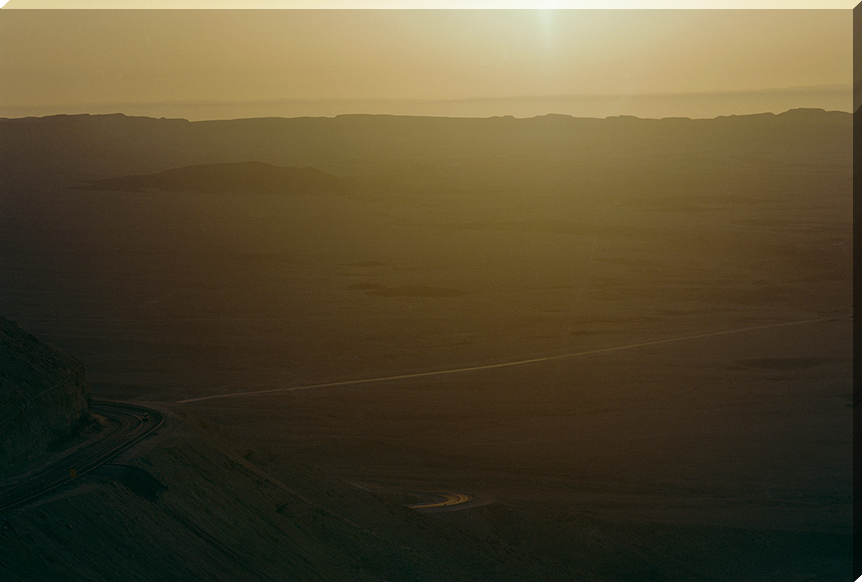
Morning four
Ramon Crater
- Medium format 6x4.5: Kodak Porta 160
- Print size: 83x61 cm
-
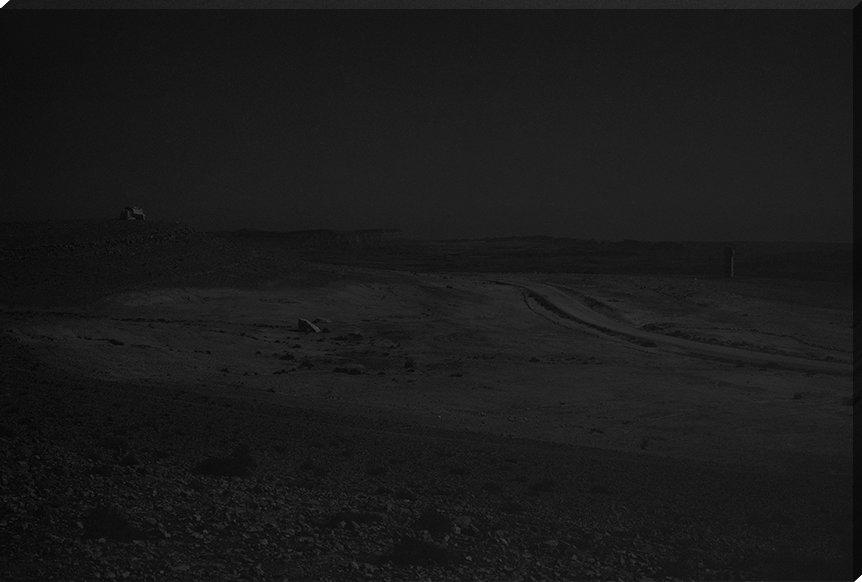
Second night
- Exposure: 16–22 min.
- Medium format 6x4.5: Ilford’s HP5 b&w
- Print size: 86.7x63 cm
-
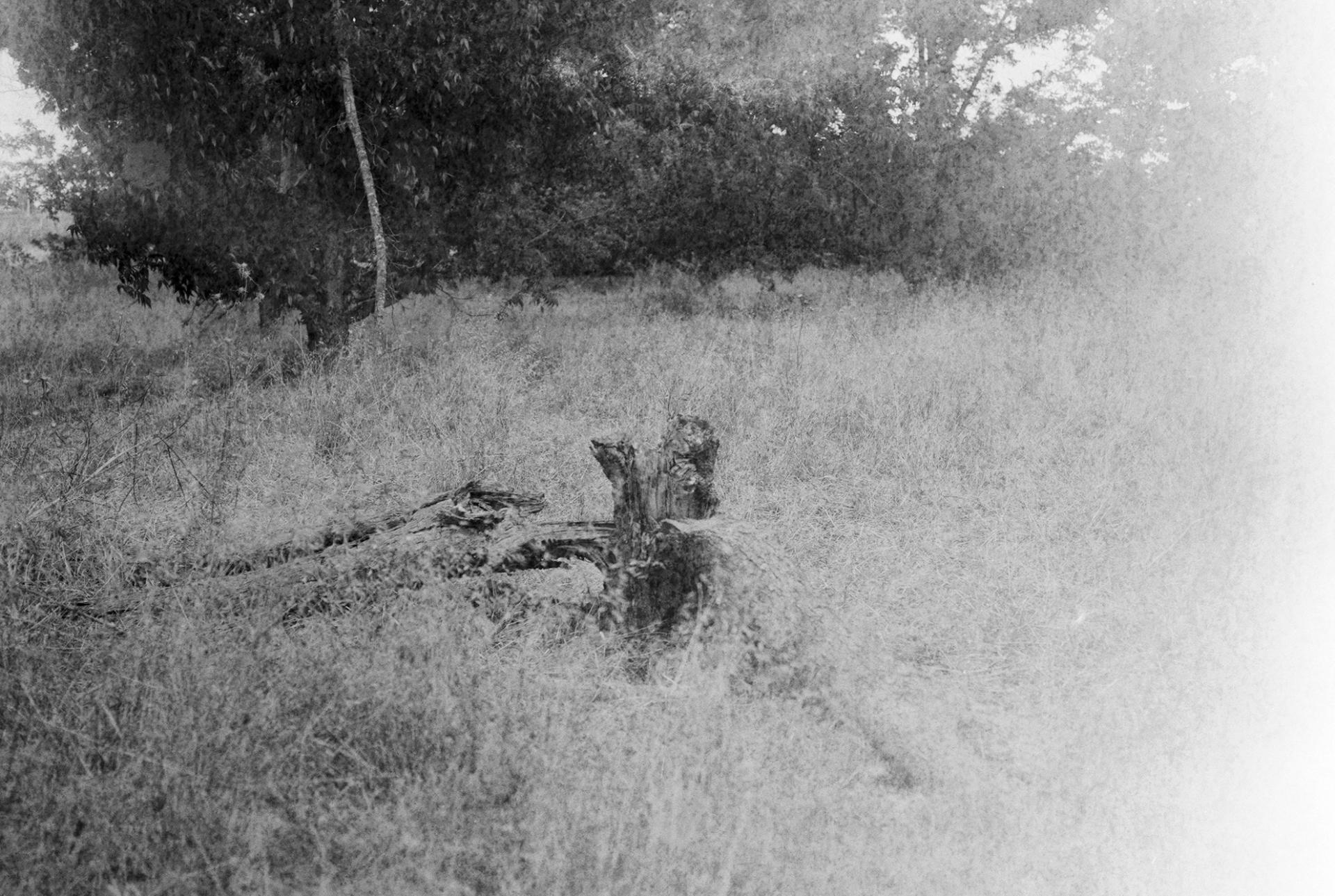
Bellwether’s point
- Medium format 6x4.5: Ilford’s HP5 b&w
- Print size: 83x59 cm
-
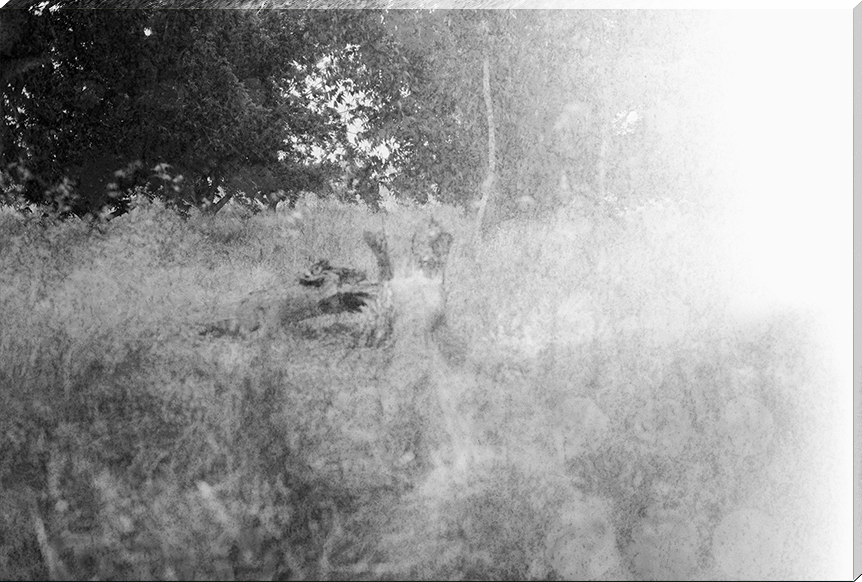
Moonwanders
Moonwanders
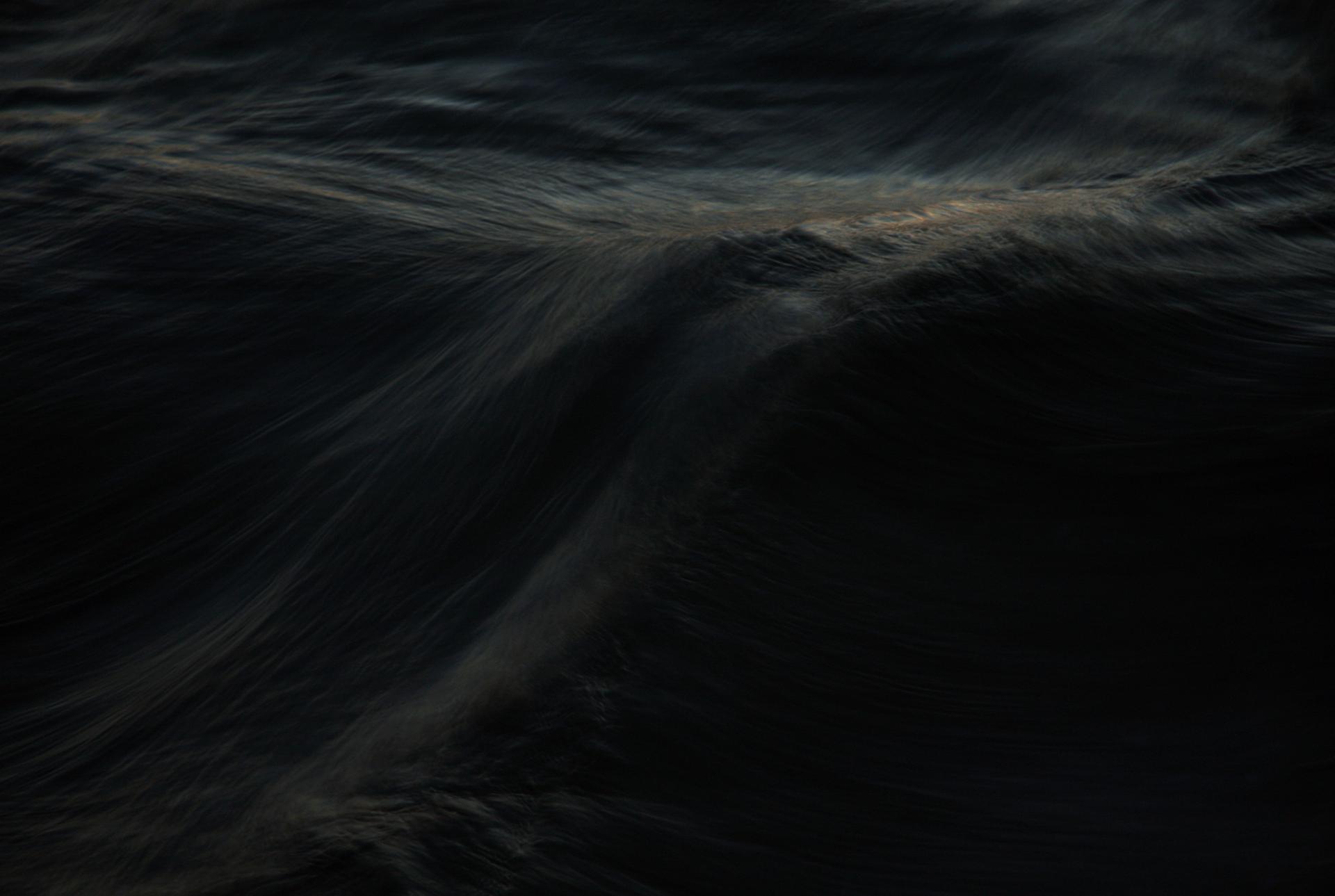
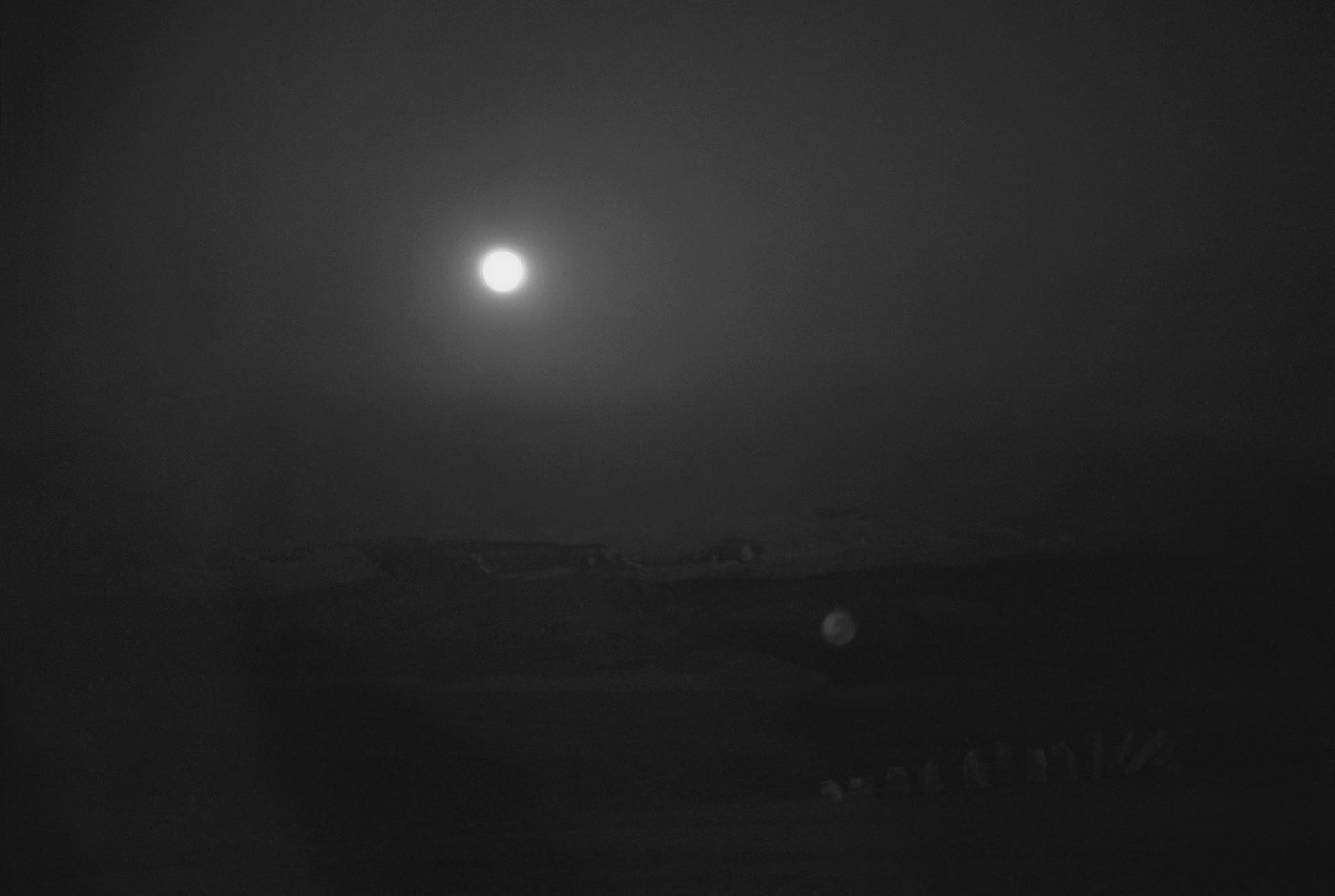
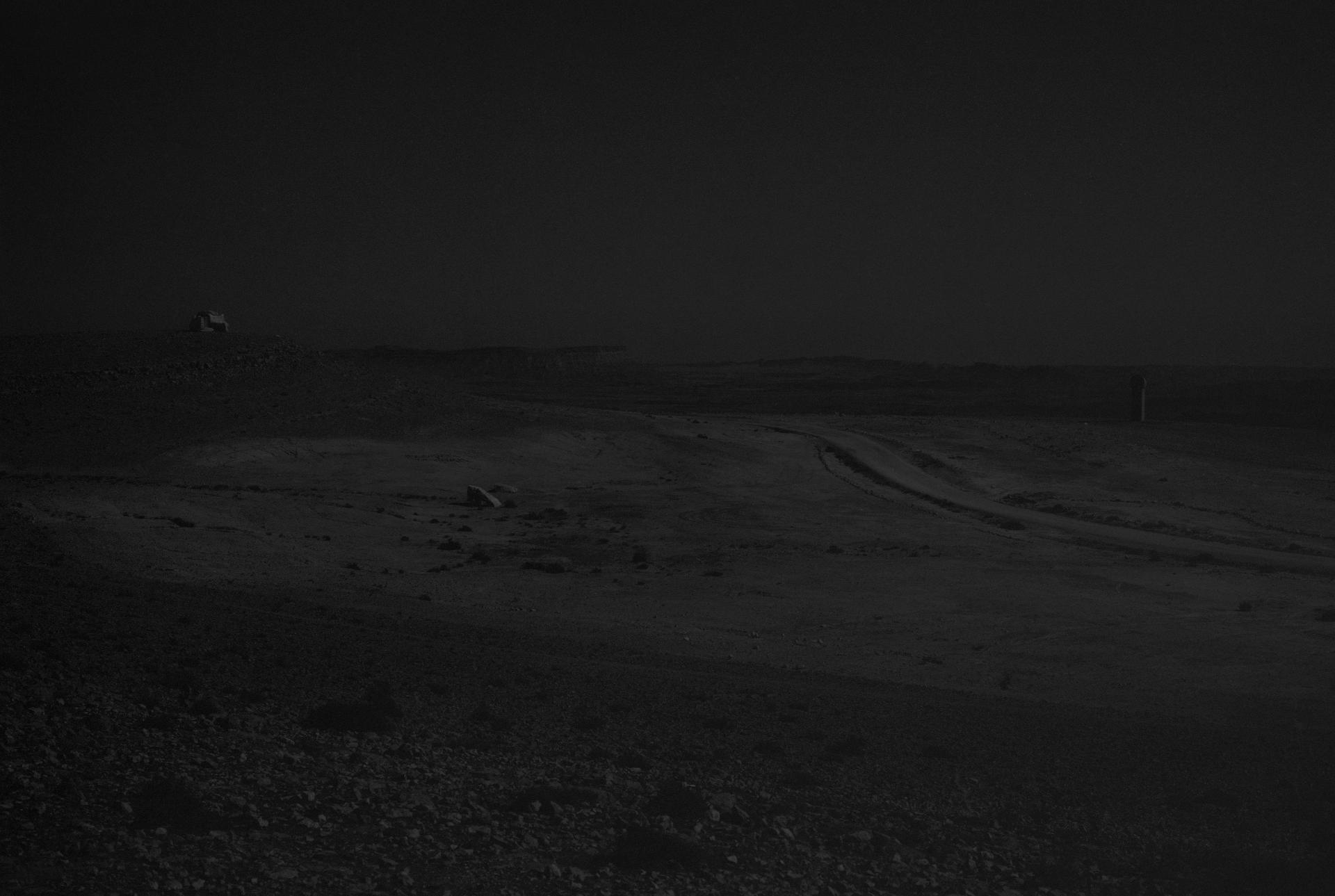
In the desert. The night sky seems clear and majestic. Stars twinkle in a cool blaze. The sand’s sigh is carried in the wind. At the meridian, rest is a must. The whole signals: how movements become pace.
The photographs in this series were taken using various medium-format films. Each film has a designated compensation for long exposures, true for a certain range—long enough to maintain the darkness of the night, yet short enough as to not reveal the daily motion of the stars, or dye the background in a purplish hue.
The brighter photographs were taken while an error occurred in the camera (a Pentax 645): a very narrow crack at the side of the film compartment enabled some light to get in. It caused the photograph’s respective side to seem burned and glitter with an aura, amounting to how little light managed to come through.
-
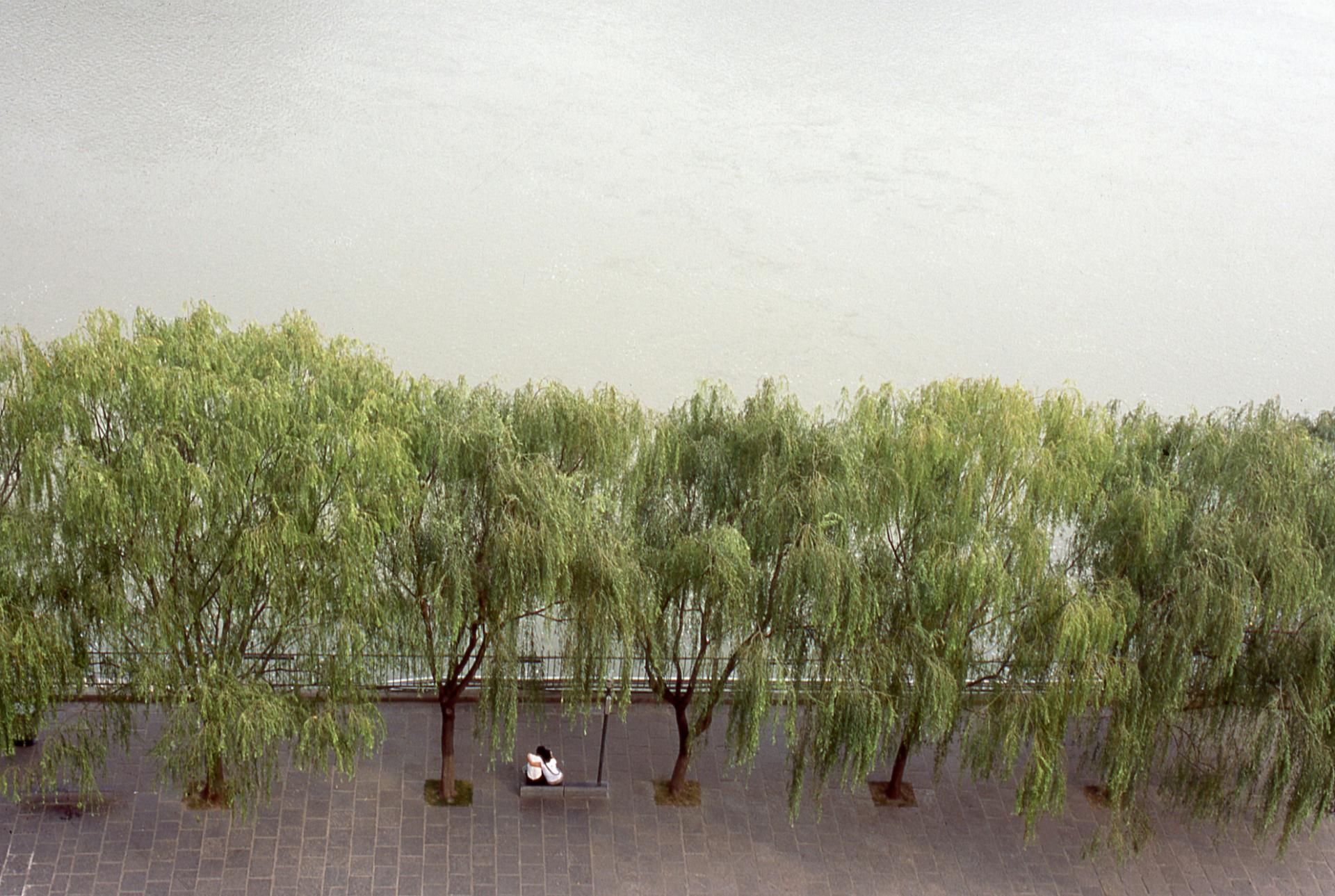
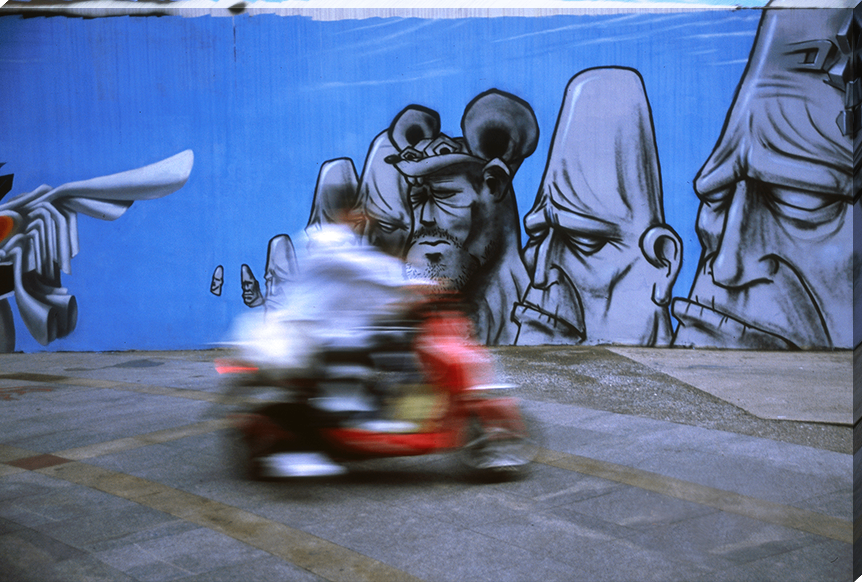
Imperative
Datong
- Slides: Fuji Sensia 100
- Print size: 75x49.5 cm
-
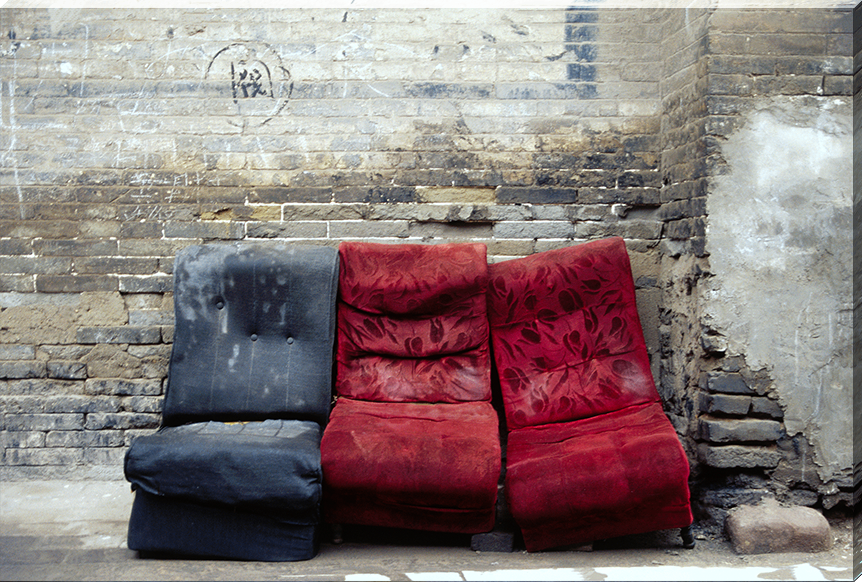
Wireless connection
Pingyao
- Slides: Fuji Sensia 100
- Print size: 75x50 cm
-
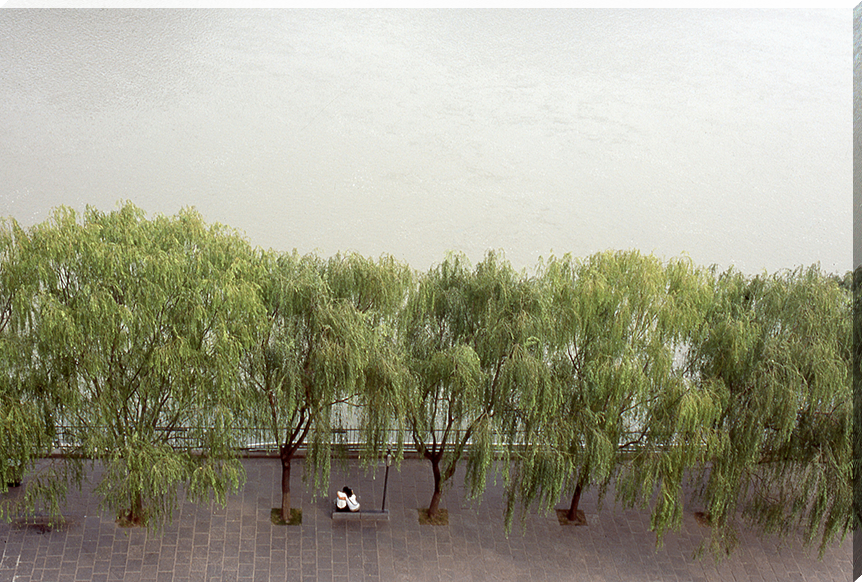
Birth
Luoyang
- Slides: Fuji Sensia 100
- Print size: 82x52 cm
- Limited edition
-
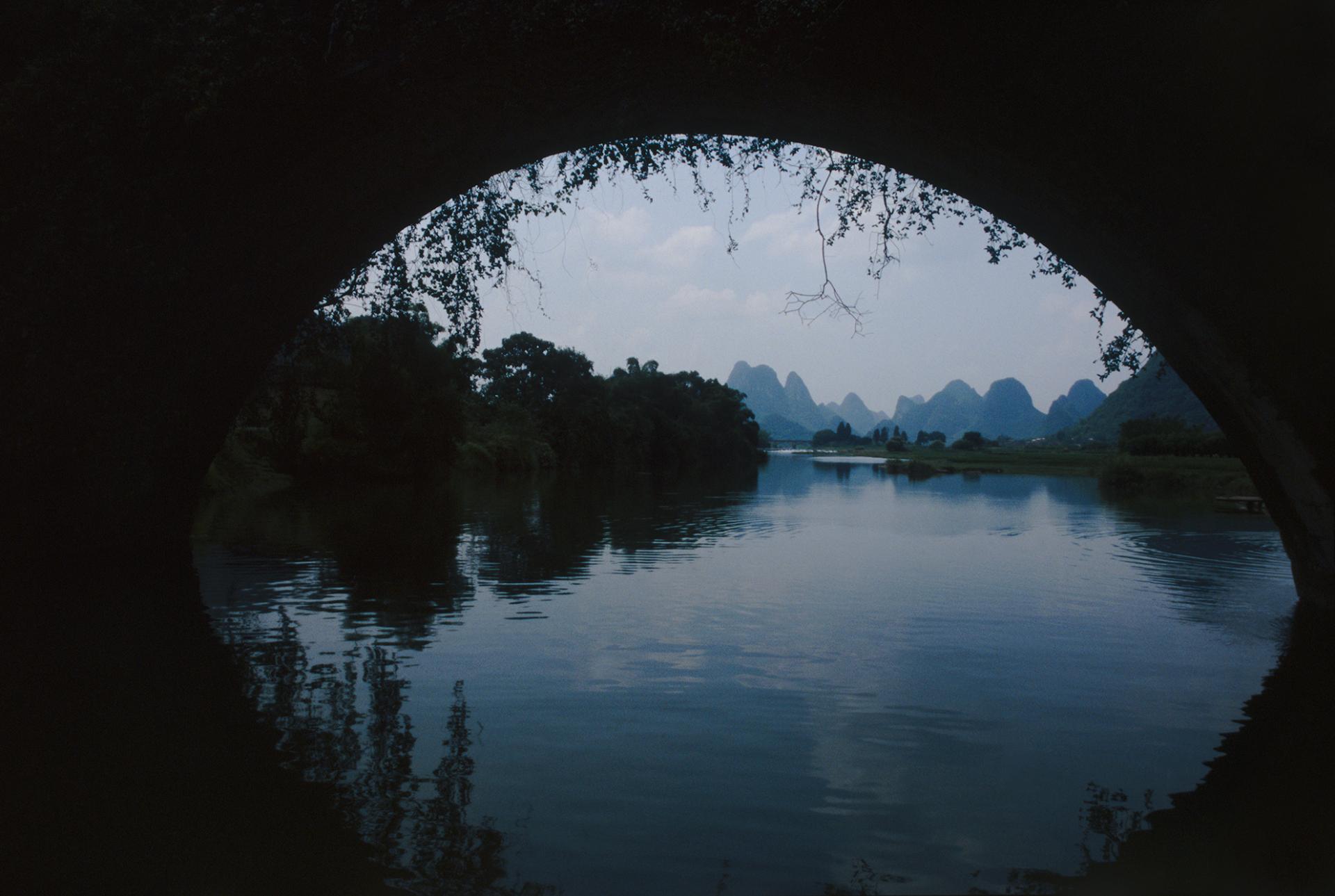
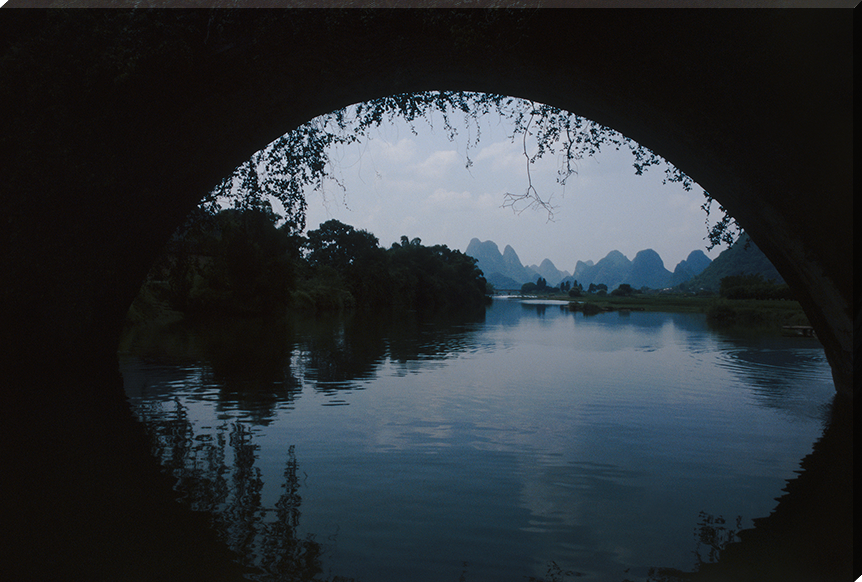
Foliage
Yangshuo
- Slides: Fuji Sensia 100
- Print size: 81x54 cm
-
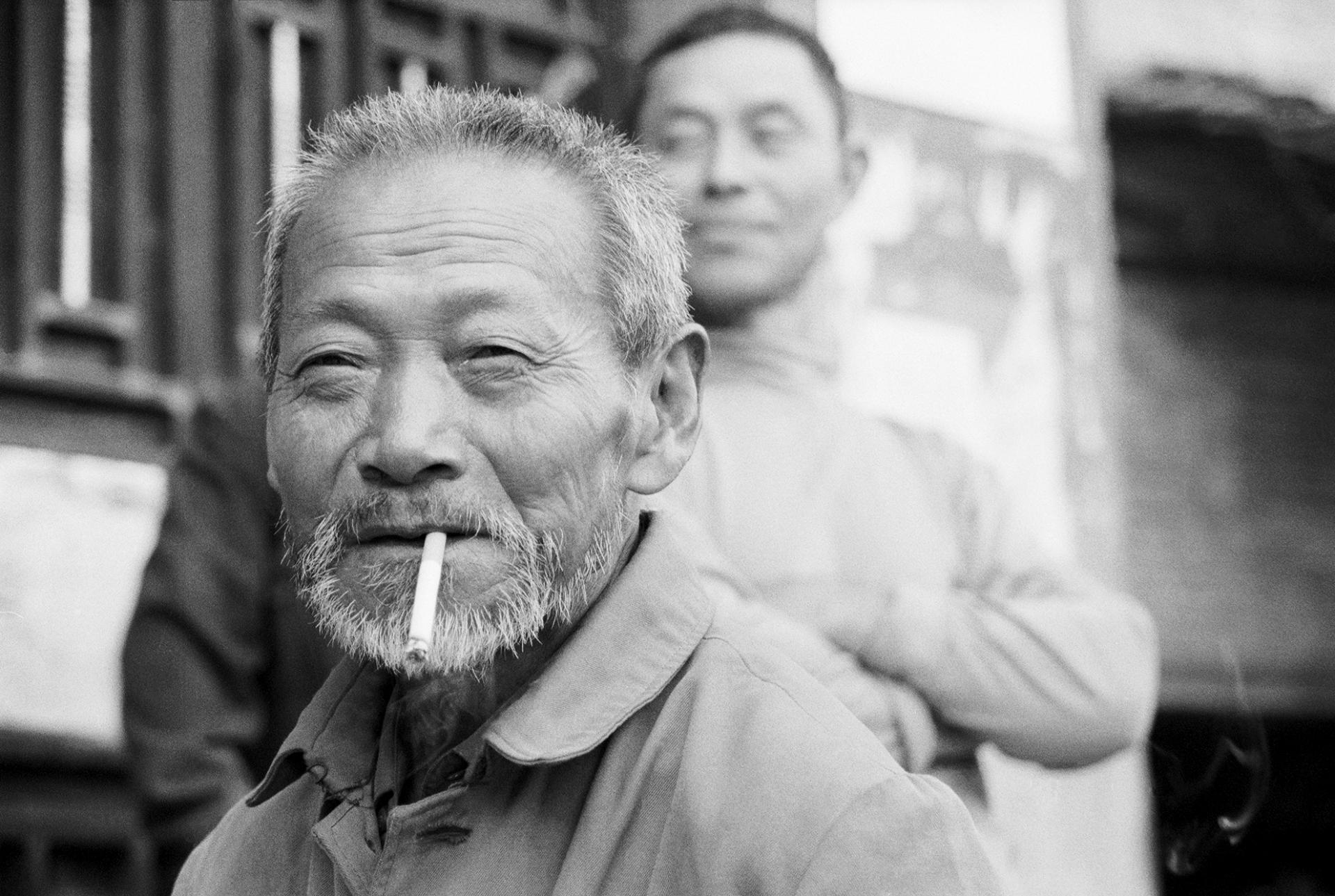
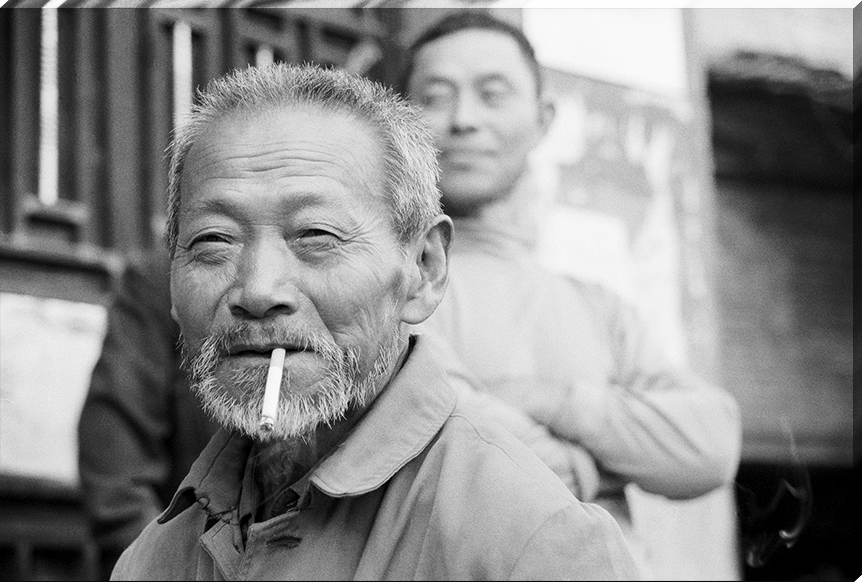
Smoke the blue collar
- 35mm: Kodak Tri-X 100 b&w
- Print size: 62x4.5 cm
-
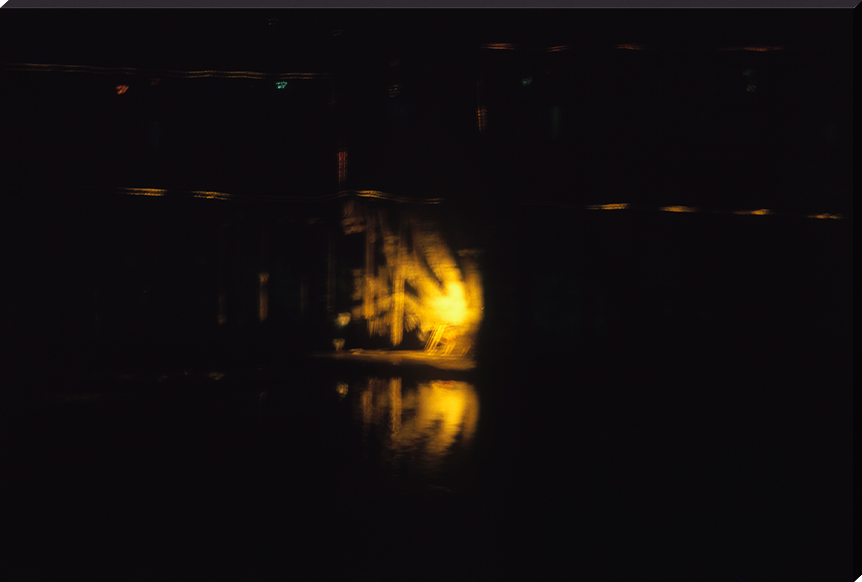
Spark
Night shift
- Slides: Fuji Provia 100
- Print size: 75.5x51 cm
-
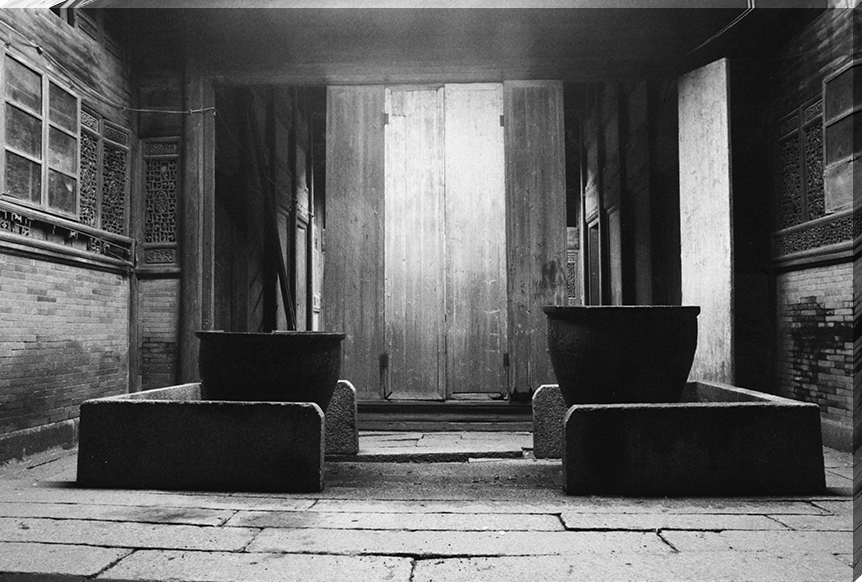
将心比心
- 35mm: Kodak Tri-X 100 b&w
- Print size: 76.8x52 cm
-
外语
外语
A man stood at the center of a remote and unfamiliar village. Around him, a crowd of people gathered in a semi-circle, listening to his words. Narrow stone streets led from every direction toward the heart of the village: a sprawling plaza made of natural, uneven stone pavers.
As he addressed the crowd, the man paced back and forth, moving from the front of the semi-circle toward the diameter of its ring—toward a stone pedestal that stood there, raised to waist height. To the top of the stone pillar, secured with clay and plaster, a smooth and level stone surface was attached, and beside it rested a stack of parchment papers. Each time, the man drew one of the parchment sheets from the stack, arranged it upon the raised, level surface, took hold of a paintbrush (which lay beside the surface), dipped the tips of its bristles into a small stone inkwell with a slight shaking motion, and began to paint upon the parchment. The painting was a word: a symbol embodied in meaning. When he finished, he advanced toward the crowd, turned the parchment in their direction, as if asking: "What is this?" – "What is this word?" – "What does it mean?"
-
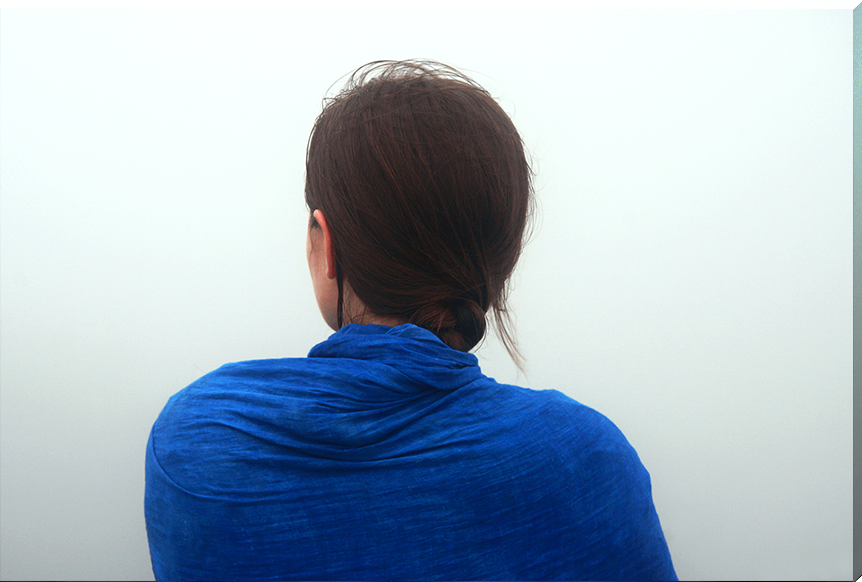
La chambre Claire
- 35mm: Kodak Ektar 100
- Print size: 77x53 cm
-
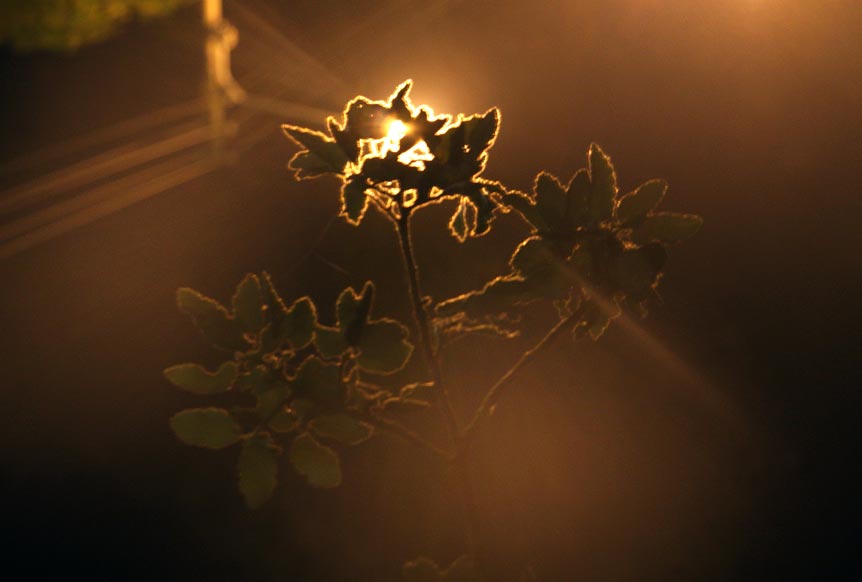
Somewhere
- Kiryat Tiv’on
- Digital RAW
- Print size: 70x45 cm
-
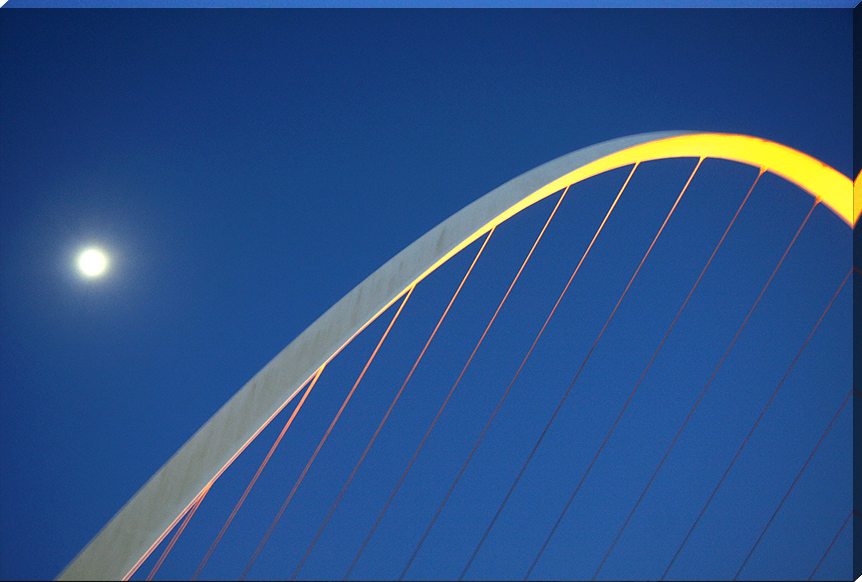
Strings
Newcastle
Digital RAW
- Print size: 70x46.5 cm
-
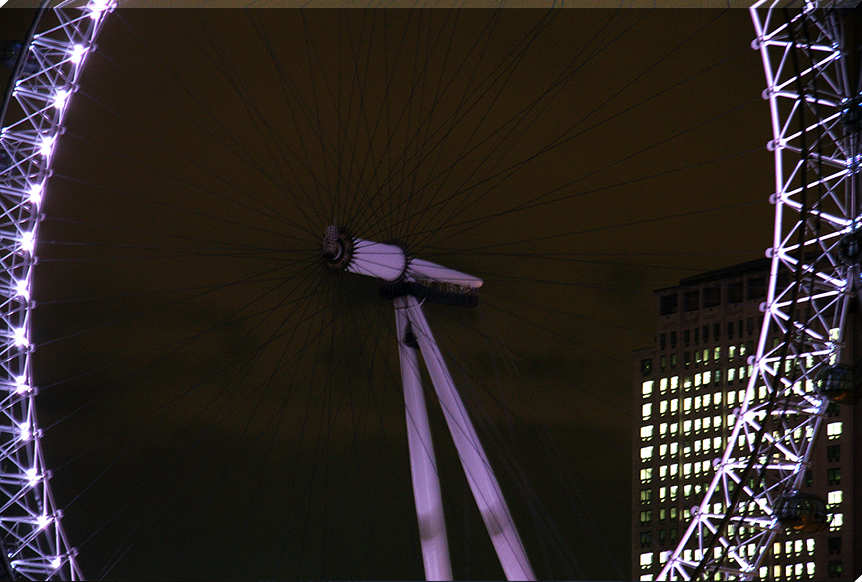
Third wheel
Digital RAW
- Print size: 75x50 cm
-
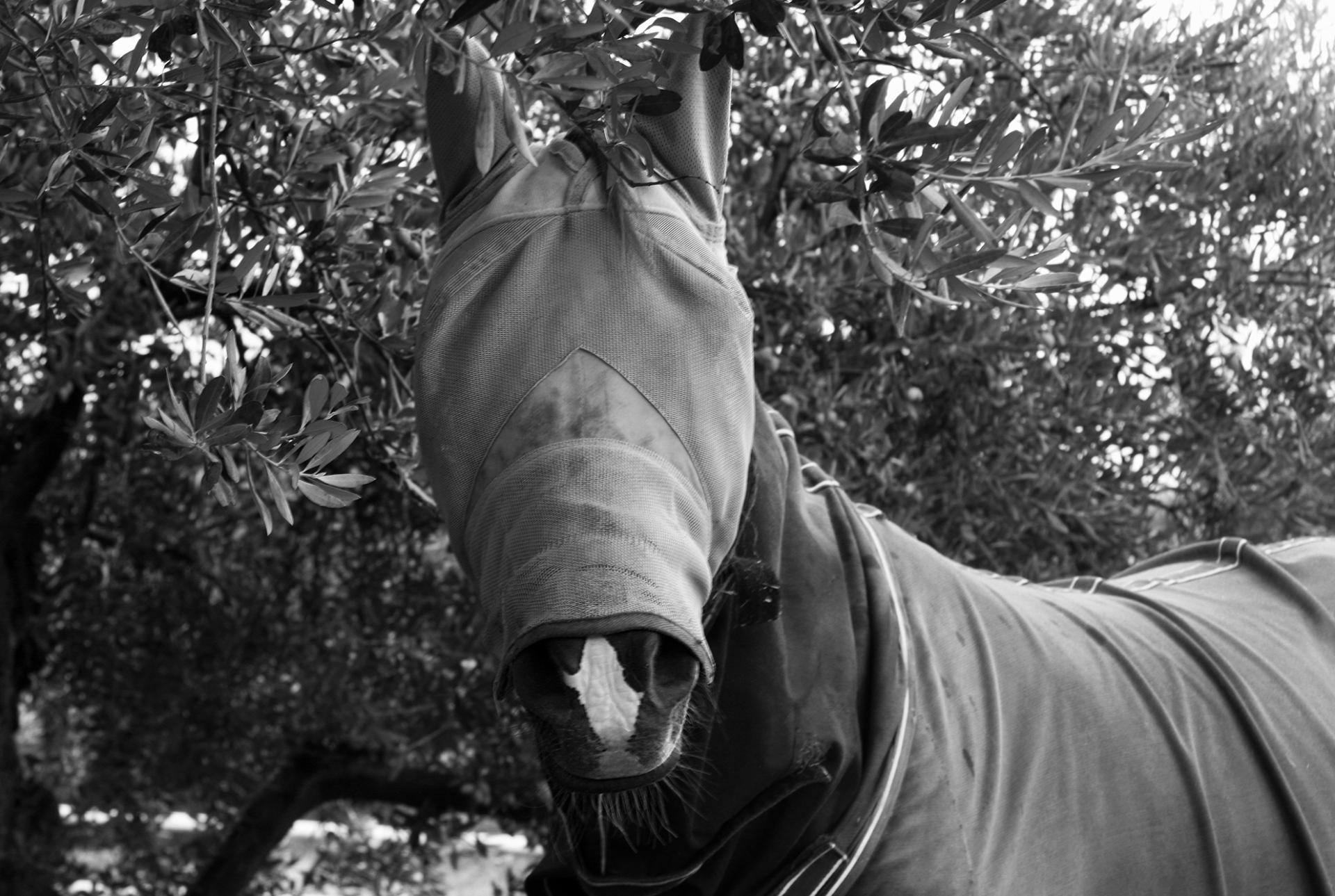
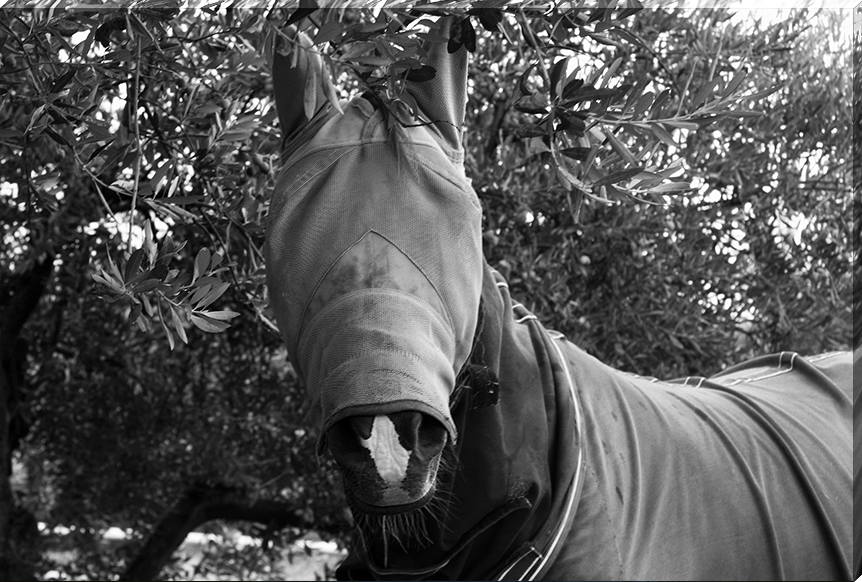
Blind horse
Rosh Pina
- 35mm: Ilford Delta 100 b&w
- Print size: 70x51 cm
-
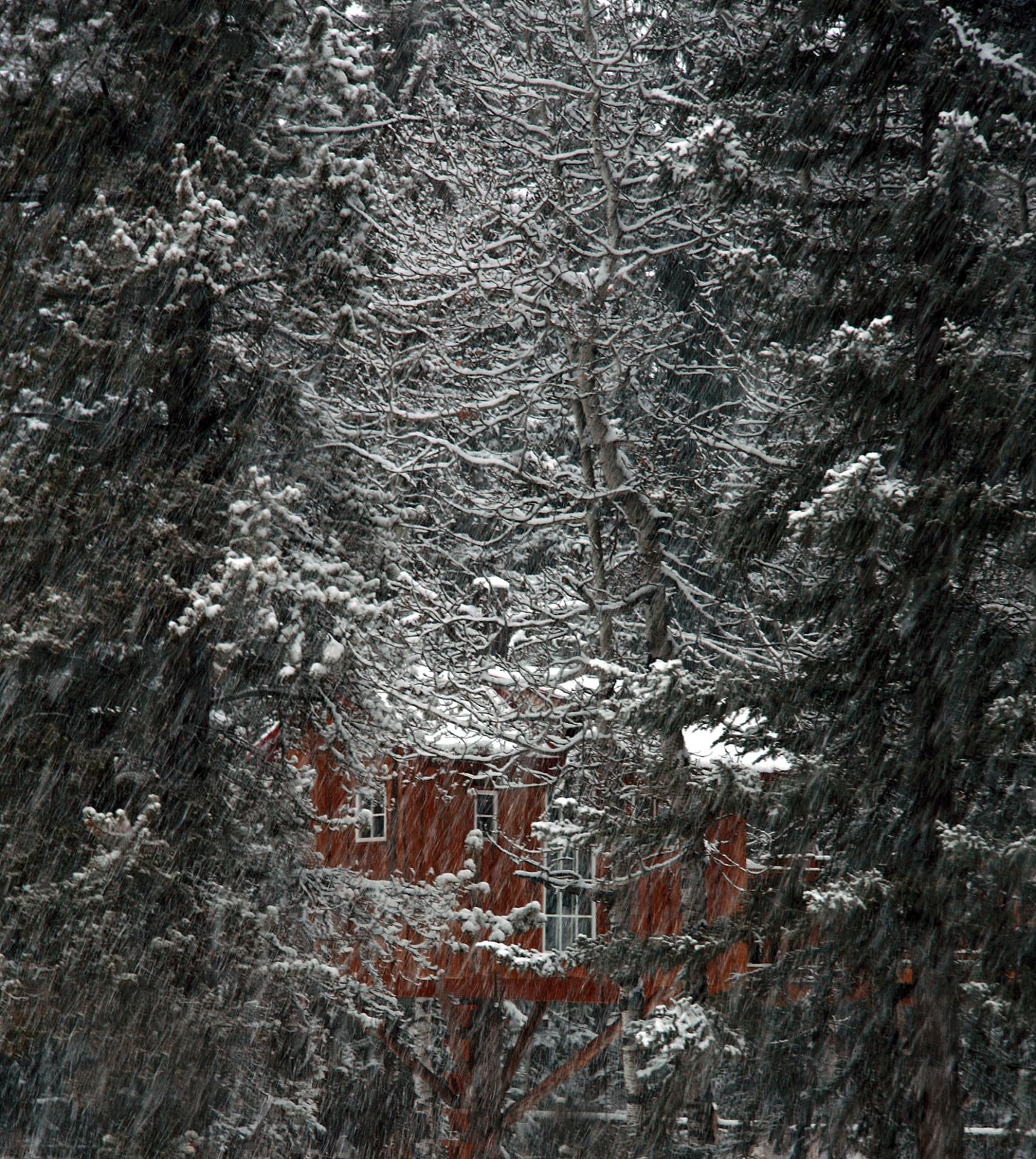
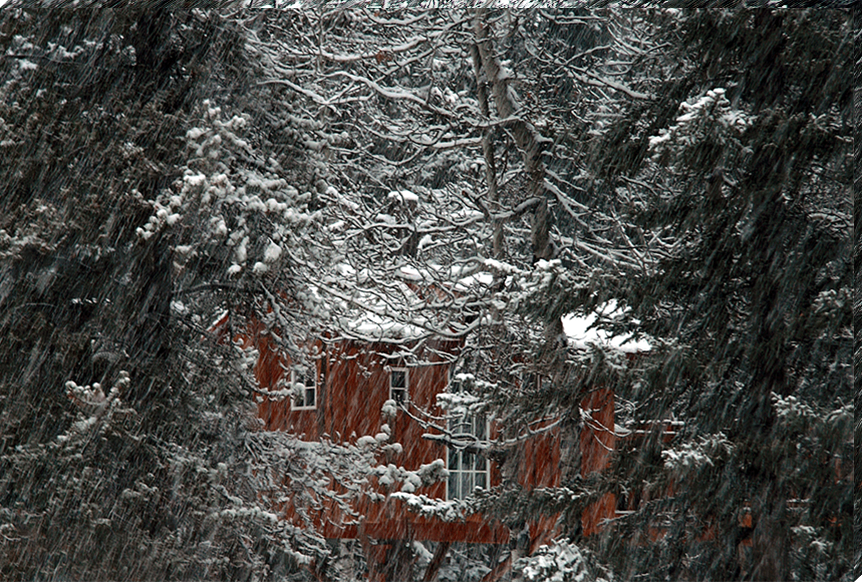
Forest dwelling
Beaver Creek
Digital RAW
- Print size: 70x78 cm
-
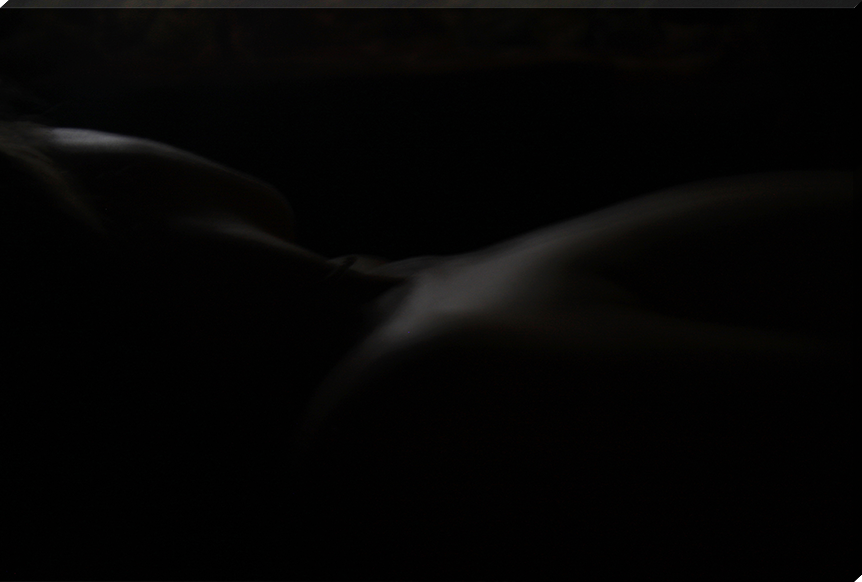
Senbatsuru
A thousand cranes
- Slides: Fuji Sensia 100
- Print size: 76x51 cm
-
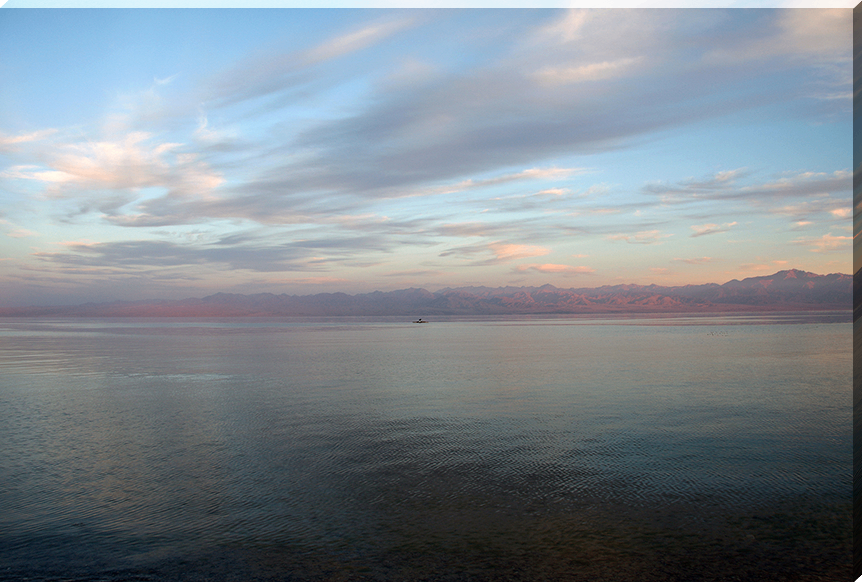
Infinitive
Edom mountains
- Slides: Fuji Provia 100
- Print size: 77x50.5 cm
-
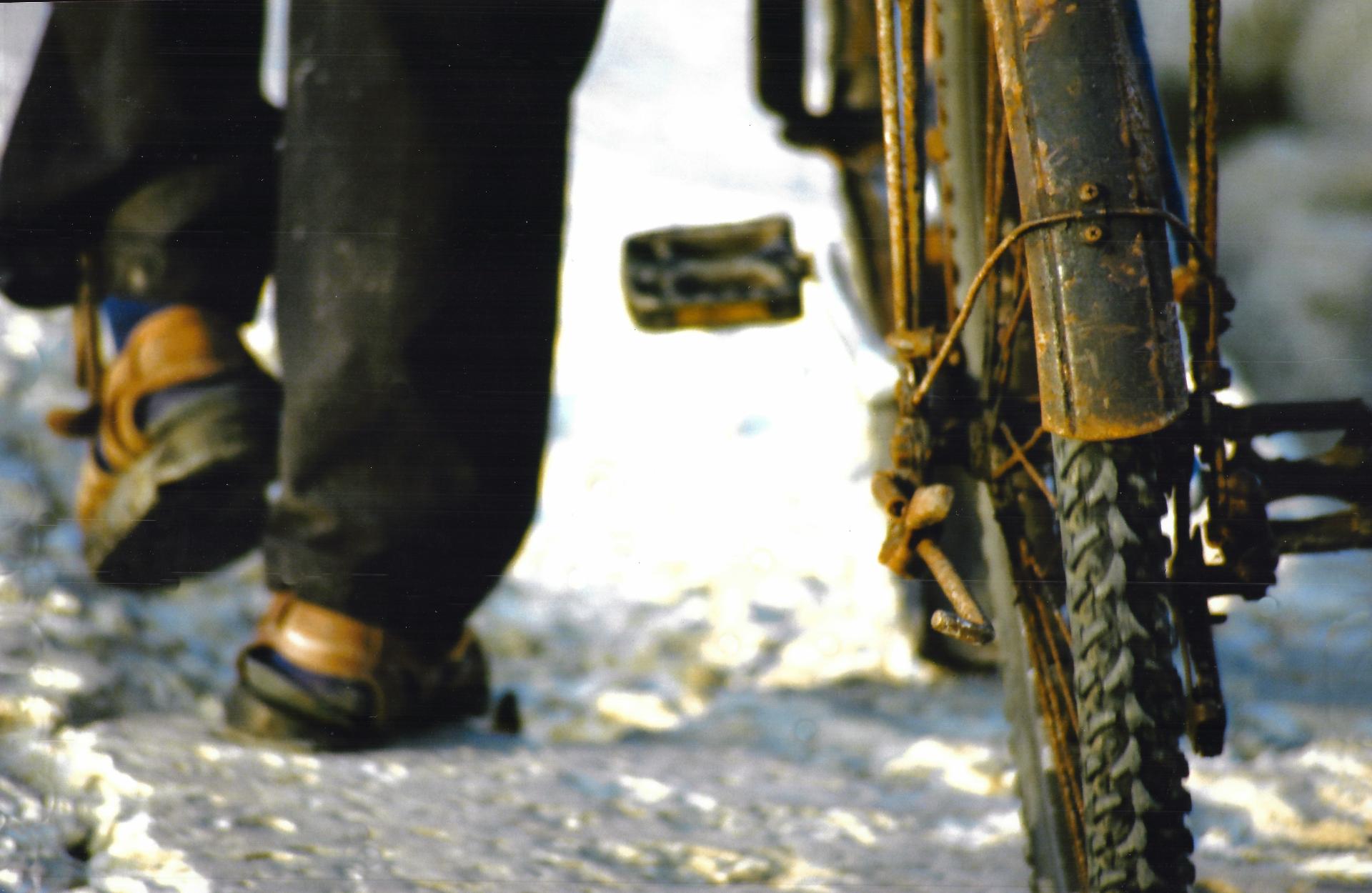
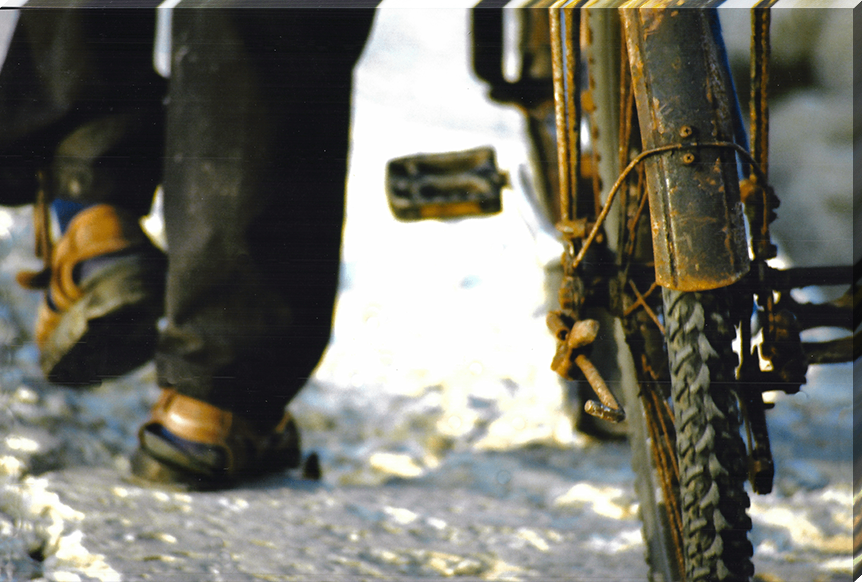
Rust
Tel Aviv
- Slides: Fuji Sensia 100
- Print size: 73x48 cm
- Limited edition
-
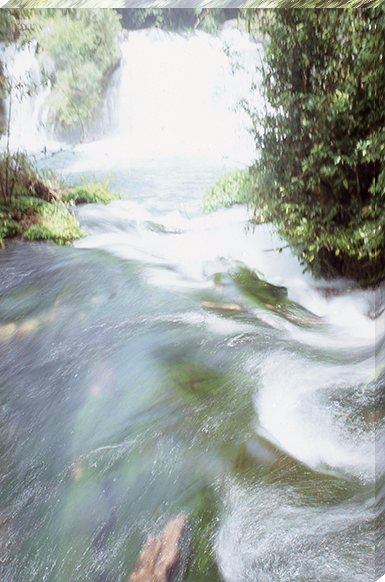
Feather’s sight
SAn Martin de los Andes
- Slides: Fuji Sensia 100
- Print size: 50x74.5 cm
- Limited edition
-
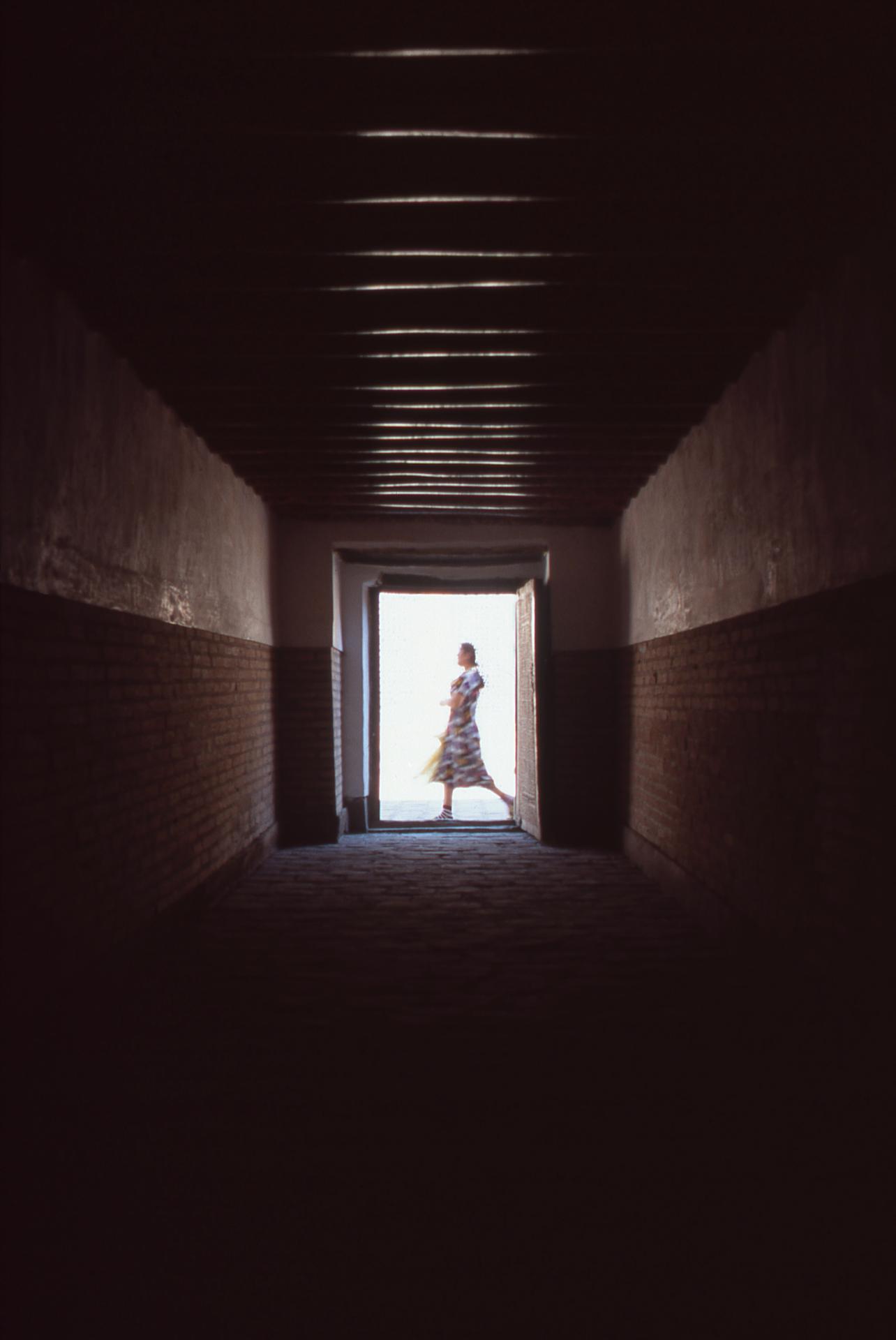
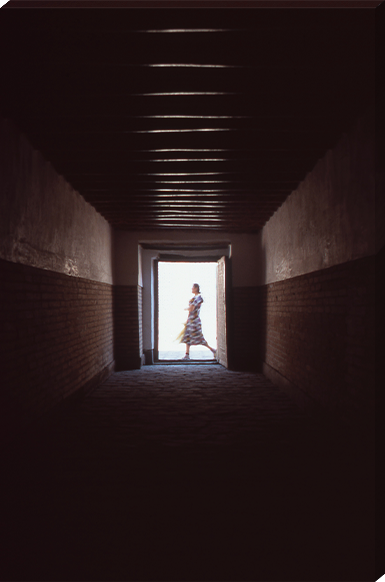
Corridor
- Slides: Fuji Sensia 100
- Print size: 52x78 cm
- Limited edition
Limited edition
-
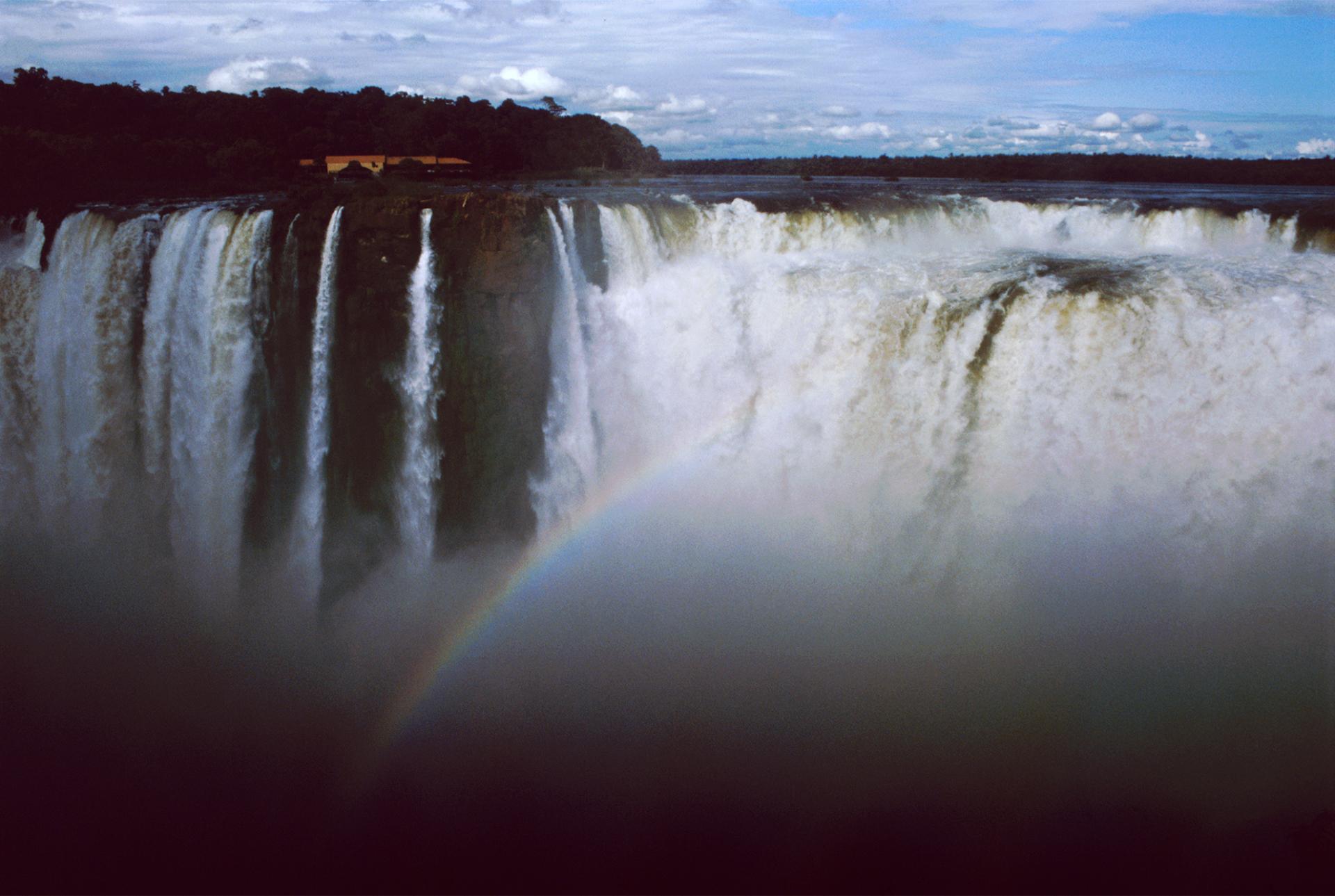
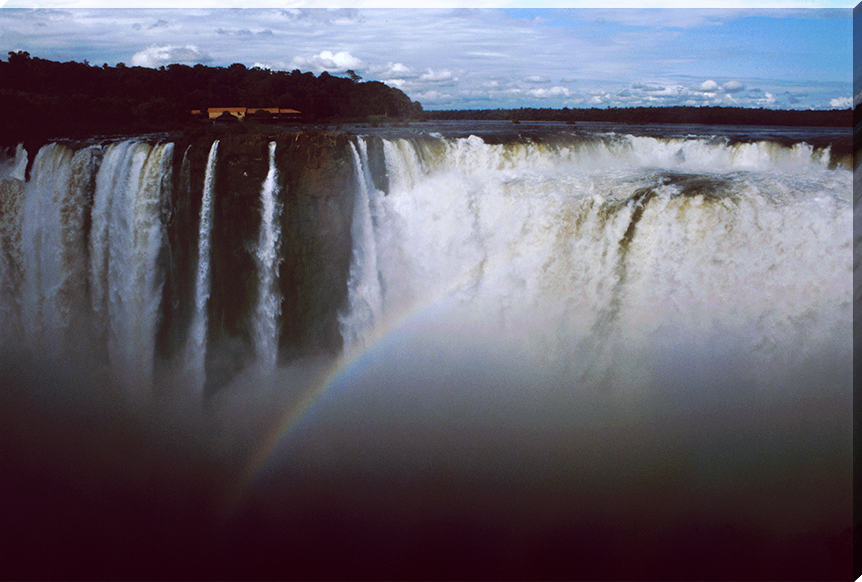
Iguazu
- Slides: Fuji Sensia 100
- Print size: 90x60 cm
- Limited edition
-
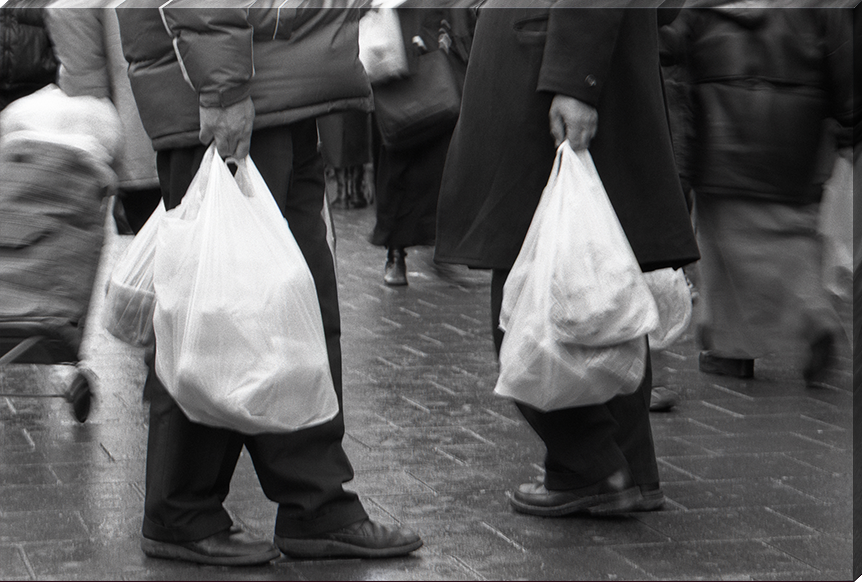
Small talk
Mahane Yehuda
- 35mm: Ilford’s Delta 100 b&w
- Print size: 73x49 cm
- Limited edition
-
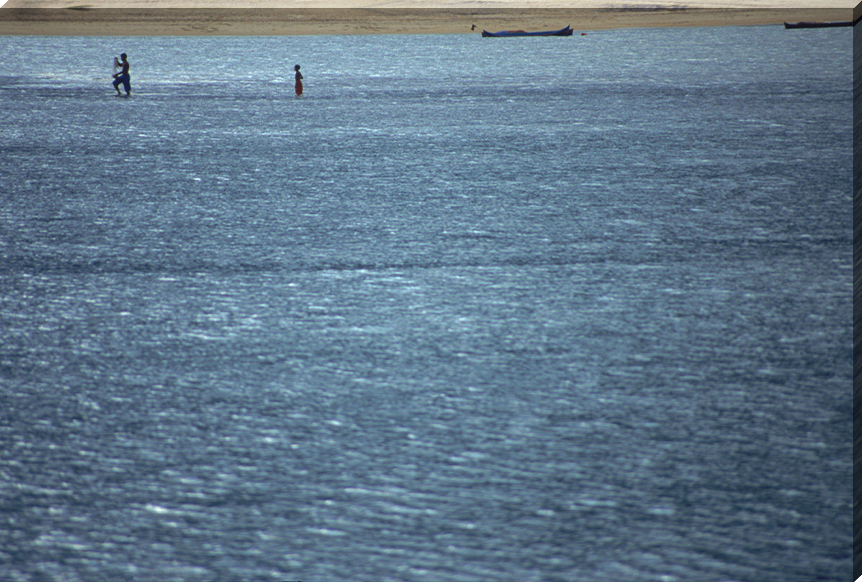
Oceano
- Slides: Fuji Sensia 100
- Print size: 77x50.5 cm
- Limited edition
-
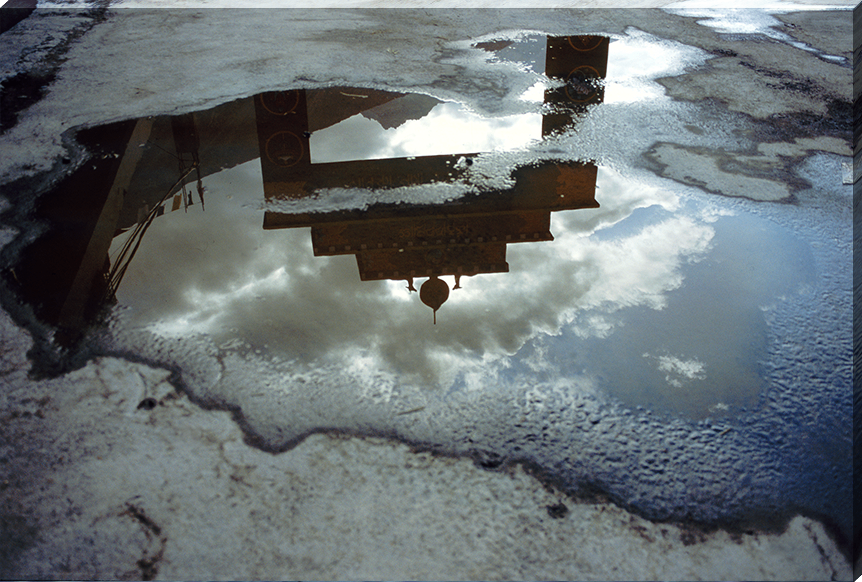
Pond
- Slides: Fuji Sensia 100
- Print size: 67x45 cm
- Limited edition
-
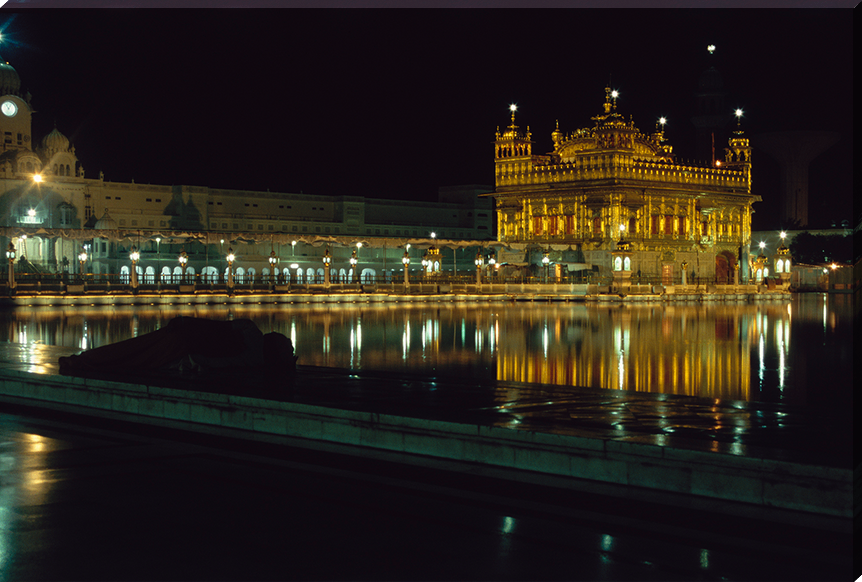
Prayer
Amritsar
- Slides: Fuji Sensia 100
- Print size: 74.5x50 cm
- Limited edition
-
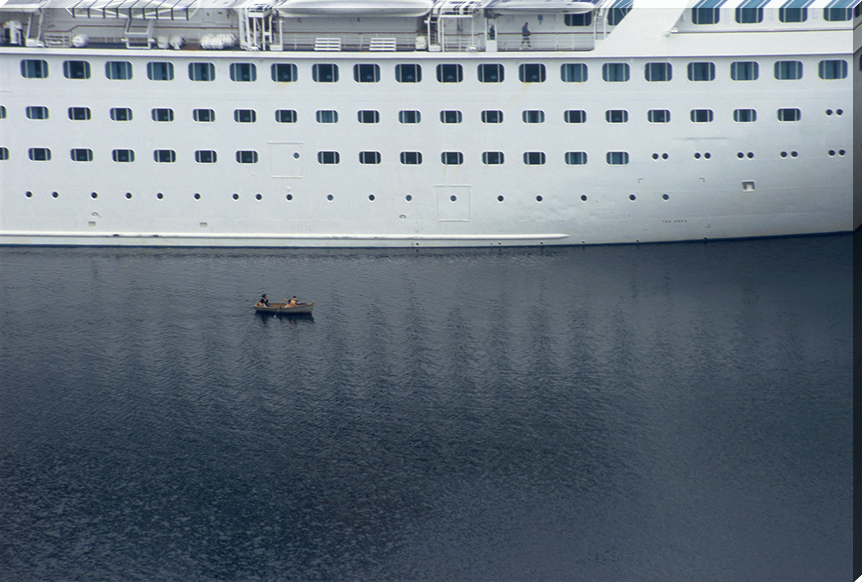
Vs.
- Slides: Fuji Sensia 100
- Print size: 81x54.5 cm
- Limited edition
Limited edition
-
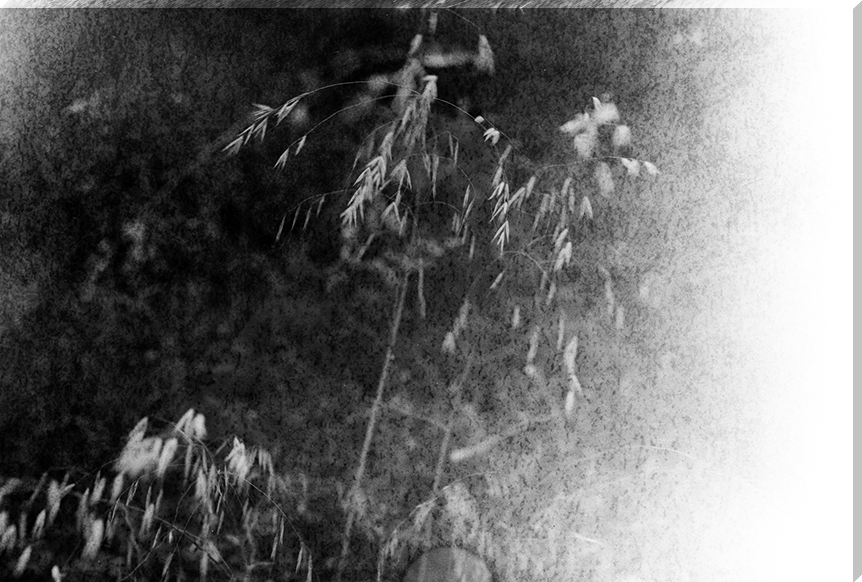
*
- Slides: Fuji Sensia 100
- Print size: 78x54 cm
- Limited edition
-
Third night
Tzin river
- Medium format 6x4.5: Ilford’s HP5 b&w
- Print size: 55x82 cm
- Limited edition